5 Mistakes People Who Live Alone Should Never Make
Living alone has its perks. You control the television, arrange the furniture however you like, and never have to negotiate over the last slice of pizza. But there is another side to having a place entirely to yourself: small household problems are yours to notice, organize, and solve.
A few routines make daily life easier without expensive gadgets. From forgotten window locks to surprise power outages, these five mistakes are worth avoiding when you are the only person regularly looking after your home.
Assuming a Closed Door Means a Secure Home
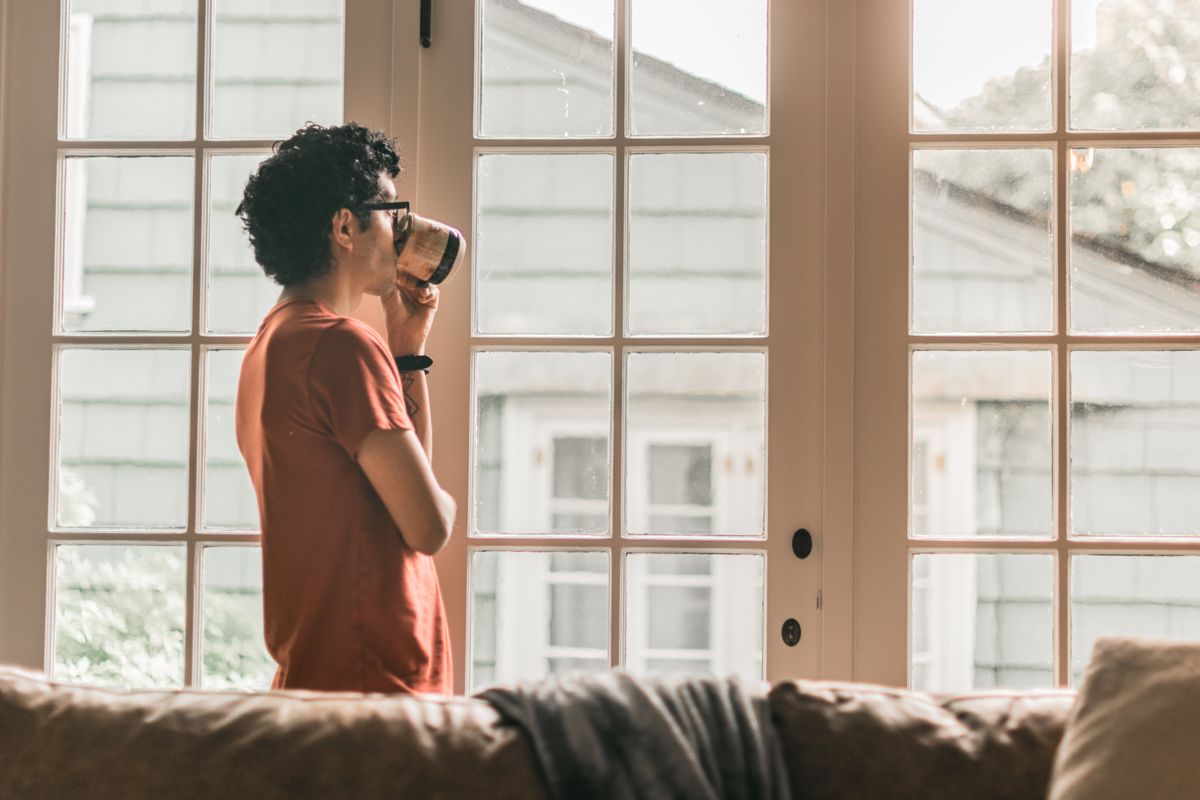
You lock the front door before leaving for work. Great. But what about the window that never latches properly or the sliding door that sticks halfway? A home security routine needs more than a quick key turn. Tufts University Police recommends checking exterior door locks, securing accessible windows, and making sure sliding glass doors are properly protected.
Walk around your home and test each accessible entry point. Check whether windows close fully and locks work as intended. Report damaged latches or loose hardware promptly, especially if you rent. And reconsider that spare key tucked beneath a flowerpot.
A trusted person who agrees to hold it is a more sensible option than an obvious outdoor hiding place. The point is to fix overlooked security gaps.
Keeping Emergency Supplies Everywhere Except Where You Need Them
The lights go out unexpectedly. You remember buying a flashlight, but was it in the kitchen drawer, the bedroom closet, or that mysterious box from your last move?
Having supplies is not the same as being able to find and use them. Ready.gov advises households to keep emergency essentials together in an accessible, portable kit. Recommended items include a flashlight, extra batteries, a battery-powered or hand-crank radio, and a way to charge a phone when electricity is unavailable.
Start with what you already own. Gather useful supplies in one designated spot, test the flashlight, and charge your backup battery. Keep a small light somewhere you can reach in the dark. A printed list of important phone numbers and a local map can also help if your phone stops working. Build your kit gradually instead of relying on scattered supplies.
Announcing Every Trip Before You Leave
A vacation countdown feels exciting. So does posting an airport selfie with the caption, “Gone for two weeks!” But public updates can tell people exactly when your home will be empty. The Mill Valley Police Department recommends avoiding public posts that reveal departure dates, travel plans, or real-time locations. Instead, it suggests sharing vacation pictures after you return home.
You can still take photos and tell friends about your adventures. Just consider who can see those details and when you share them. Check your account privacy settings, avoid publishing precise travel dates, and ask companions to respect your preference about location tags.
If someone is watching your home while you travel, send that person the details privately. It is a simple difference: enjoy the trip now, post the highlights later. Your memories can wait.
Ignoring Small Repairs Until They Become Big Annoyances
A dripping faucet becomes background noise. A toilet keeps running long after it has been flushed. You notice something is off, but everything still technically works. When nobody else shares the space, it is easy to keep postponing a repair. The Environmental Protection Agency recommends regularly checking for leaks and investigating unexplained changes in water use.
A fixture can remain usable while quietly wasting water. Take a few minutes occasionally to inspect visible plumbing, listen for running water, and check whether faucets shut off completely. If you receive a water bill, compare it with earlier bills and look into unusual increases. Some utilities also offer leak alerts.
Renters can document the issue and submit a maintenance request. Homeowners can investigate basic problems and call a qualified professional when the repair is beyond their experience. The goal is not to become a plumbing expert. It is to avoid treating every fixable problem as a permanent feature of the apartment.
Having Contacts but No Actual Backup Plan
Your phone contains dozens of contacts. But if you lose your keys at night, who could realistically help? Living alone does not require constant check-ins or someone supervising your schedule. It does help to make a few practical arrangements before you need them.
Tufts University Police recommends leaving a spare key with a trusted neighbor rather than hiding one outside. Habitat for Humanity also encourages keeping written emergency contact information, including an out-of-town contact.
Ask a reliable person whether they would be comfortable holding a spare key or checking on your home while you’re away. Keep building management and maintenance numbers somewhere easy to find. Be specific about what help you are requesting. A clear agreement is more useful than assuming somebody will be available.
Key Takeaways
Living alone can be convenient and rewarding, especially when small tasks have simple systems behind them. Check locks and windows regularly. Keep emergency supplies together and ready to use. Share travel details thoughtfully, report maintenance problems promptly, and arrange backup help with someone you trust.
None of these habits requires perfection. They make it easier to manage your home confidently, one sensible decision at a time. Keep the checklist handy and revisit it whenever your circumstances change.