8 Things Kids Do That Parents Shouldn’t Simply Overlook
Raising children comes with unexpected challenges. One moment, everything seems peaceful. The next, someone has broken a toy, refused to finish homework, or blamed a sibling for something they did. Every child makes mistakes, and occasional misbehavior is a normal part of growing up. However, some actions deserve attention, especially when they happen repeatedly.
Parents sometimes overlook these behaviors, assuming their children will eventually outgrow them. But learning responsibility, honesty, and respect often requires guidance. According to the American Academy of Pediatrics, clear expectations, consistent rules, and positive guidance can help children learn appropriate behavior.
Here are eight childhood behaviors parents should address before they become familiar household patterns.
Lying to Avoid Getting Into Trouble
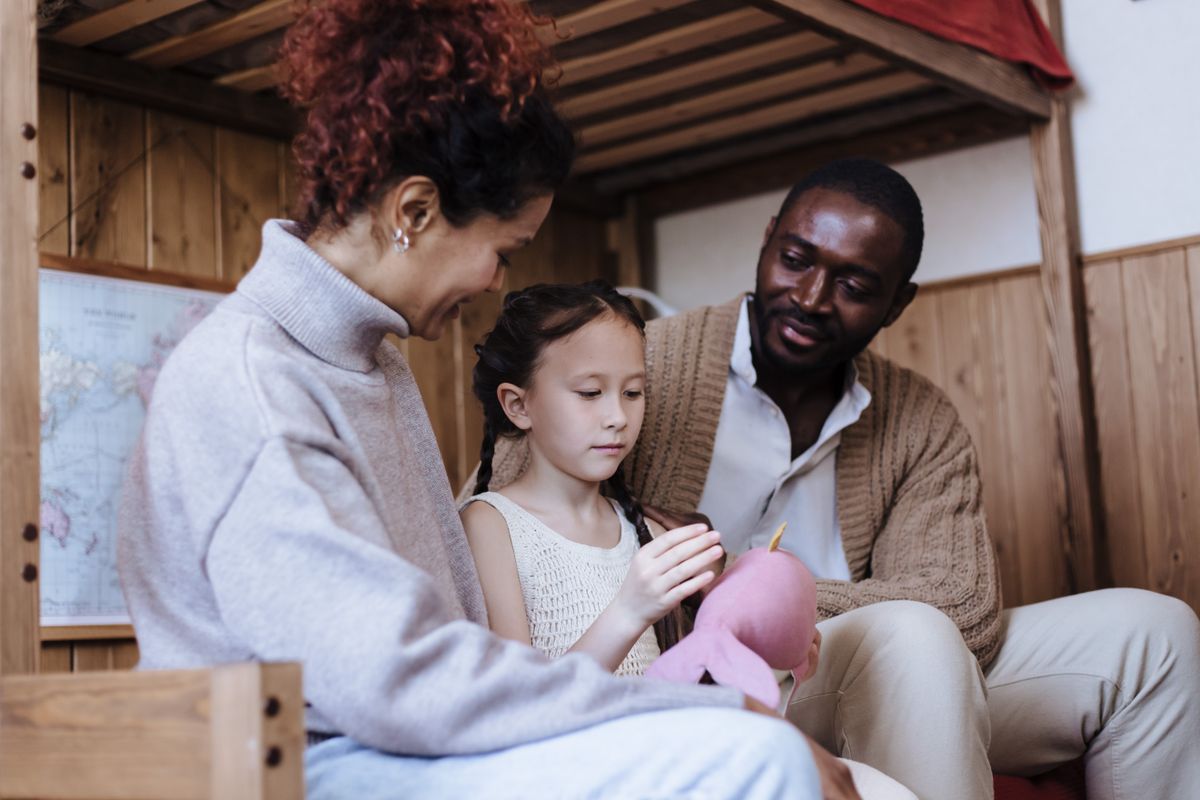
Imagine asking your child whether they completed their homework. They confidently answer yes, but later, you discover they never opened their books. Children sometimes tell lies to avoid unpleasant consequences. However, repeatedly hiding the truth can make everyday problems harder to resolve.
Instead of immediately shouting, parents can explain why honesty matters. Encourage children to admit mistakes and reassure them that telling the truth allows problems to be addressed. The American Academy of Pediatrics recommends making honesty a clear family expectation and demonstrating it through parental actions.
Always Blaming Others for Their Mistakes
Some children quickly point fingers whenever something goes wrong. They spill juice but blame their sibling. They break something while playing but insist someone else caused the accident. Although another person may sometimes share responsibility, children should learn to acknowledge their own actions.
Parents can ask simple questions such as, “What happened?” and“What can you do to make things right?” Instead of focusing entirely on punishment, encourage practical solutions like cleaning up a mess or helping repair damaged belongings. Taking responsibility should mean recognizing what happened, not accepting blame for something another person did.
Repeatedly Ignoring Household Rules
Every family has expectations concerning bedtime, homework, screen time, and shared responsibilities. Children may question these rules, which is not necessarily disrespectful. However, deliberately breaking clear agreements repeatedly can create unnecessary household conflict. For example, a child might continue playing video games despite agreeing to finish homework first.
Parents should explain the rules clearly and establish reasonable consequences. The American Academy of Pediatrics recommends consistent limits and age-appropriate explanations. Older children can also participate in discussions about household expectations. This gives them opportunities to understand agreements rather than follow instructions without explanation.
Bullying or Mistreating Other Children
Childhood disagreements happen, especially when children share toys, compete in games, or navigate friendships. However, repeatedly threatening, humiliating, excluding, or deliberately hurting another child should never be dismissed as harmless teasing. Imagine discovering that your child regularly encourages classmates to avoid one particular student.
Parents should intervene, explain why the behavior is unacceptable, and establish clear expectations. According to StopBullying.gov, bullying involves aggressive behavior, a power imbalance, and repetition or the potential for repetition. Parents may also need to communicate with teachers to ensure the behavior stops and everyone involved receives appropriate support.
Taking Other People’s Belongings Without Permission
Your child borrows their sibling’s headphones without asking. Another day, they take a friend’s toy and refuse to return it. Although these situations may appear minor, repeatedly taking belongings without permission deserves attention. Children need to understand that wanting something does not automatically permit them to use it.
Parents can teach a straightforward routine: ask first, wait for an answer, handle borrowed items carefully, and return them afterward. Younger children may need extra guidance as they learn to share and take turns. These everyday lessons help establish respect for personal belongings and shared household agreements.
Refusing to Stop When Someone Says No
Imagine one child repeatedly poking their sibling despite being asked to stop. Another constantly enters a family member’s bedroom without knocking. These situations offer opportunities to teach children about personal boundaries.
Parents should explain that another person’s clear request to stop deserves respect. For example, saying, “Your brother asked you to stop touching his things,” reinforces the expectation without unnecessary shouting. The American Academy of Pediatrics recommends establishing clear family rules about personal space and sibling interactions. Parents should also demonstrate respect for their children’s reasonable requests for privacy.
Avoiding Simple Household Responsibilities
Some children repeatedly leave toys scattered, refuse to clear their dishes, or abandon chores halfway through. While children deserve time for fun and relaxation, manageable household responsibilities offer opportunities to learn cooperation. Parents can begin with simple activities, such as putting toys away or organizing school supplies.
Older children can handle additional age-appropriate tasks. According to HealthyChildren.org, routines, clear instructions, and encouragement help families establish household responsibilities. Rather than constantly complaining, parents should demonstrate tasks, explain expectations, and recognize completed work.
Deliberately Breaking Things When Upset
Losing a game can be disappointing. However, deliberately throwing a controller or destroying toys should not become an acceptable response. Parents should distinguish between accidental damage and intentional destruction. When something is deliberately broken, stop the action and explain why damaging belongings is unacceptable.
Afterward, children can participate in appropriate cleanup or repair when it is safe. Parents can also discuss better ways to respond to disappointment. The important lesson is simple: frustration does not justify destroying property, and children can learn to handle disagreements without damaging belongings.
Key Takeaways
Small incidents can become opportunities to teach important everyday lessons. Children should understand why telling the truth matters. Help children acknowledge mistakes and correct them. Consistent rules make family responsibilities easier to understand.
Parents should demonstrate the actions they expect from their children. Children will make mistakes as they grow. What matters most is how adults respond. By providing clear guidance, reasonable expectations, and opportunities to make things right, parents can help children practice responsibility, honesty, and respect in everyday life.