5 Things You Should Never Keep in Your Wallet
Most of us carry our wallets everywhere: to the grocery store, the gas station, the holiday mall rush. That’s exactly why it’s worth taking a few minutes to look at what’s inside.
If your wallet slipped out of your coat pocket tomorrow, what would a stranger find? For many people, the answer includes a few things that make it much easier for someone to spend their money or borrow their identity. The Social Security Administration (SSA), the Federal Trade Commission (FTC) and the Consumer Financial Protection Bureau (CFPB) all offer simple advice on what to leave at home. Here are five things that don’t belong in your wallet.

1. Your Social Security Card
This is the big one. The SSA says plainly that it urges people not to carry your Social Security card unless it is needed, and to keep it in a safe place at home. The agency also discourages carrying other documents that show your number.
Your Social Security number is a key that can open credit accounts and more, and unlike a credit card, it can’t simply be canceled and reissued with a new number the next morning. Keep the card with your other important papers in a secure spot at home, and bring it only when you know you’ll need it. If you’re curious what older generations used to tuck in there instead, our look at what you might find in a Boomer’s well-used wallet is a fun trip down memory lane.
2. Your PIN, Written Down
It’s tempting to jot your debit card PIN on a slip of paper so you never get stuck at the checkout. The FTC says not to. Its advice on lost or stolen credit, ATM and debit cards is to never keep your PIN in your wallet, purse or pocket, and never write it on the card itself or any paper that could be lost or seen.
That matters because debit cards pull money straight from your checking account. The FTC explains that if you report a lost debit card within two business days, your liability is limited to $50, but waiting longer can raise that to $500, and if you wait more than 60 days after your statement is sent, you could lose much more. A thief with both the card and the PIN can move quickly. Choose a number you can remember that isn’t your birthday, and these wallet-friendly life hacks offer more small habits that add up.
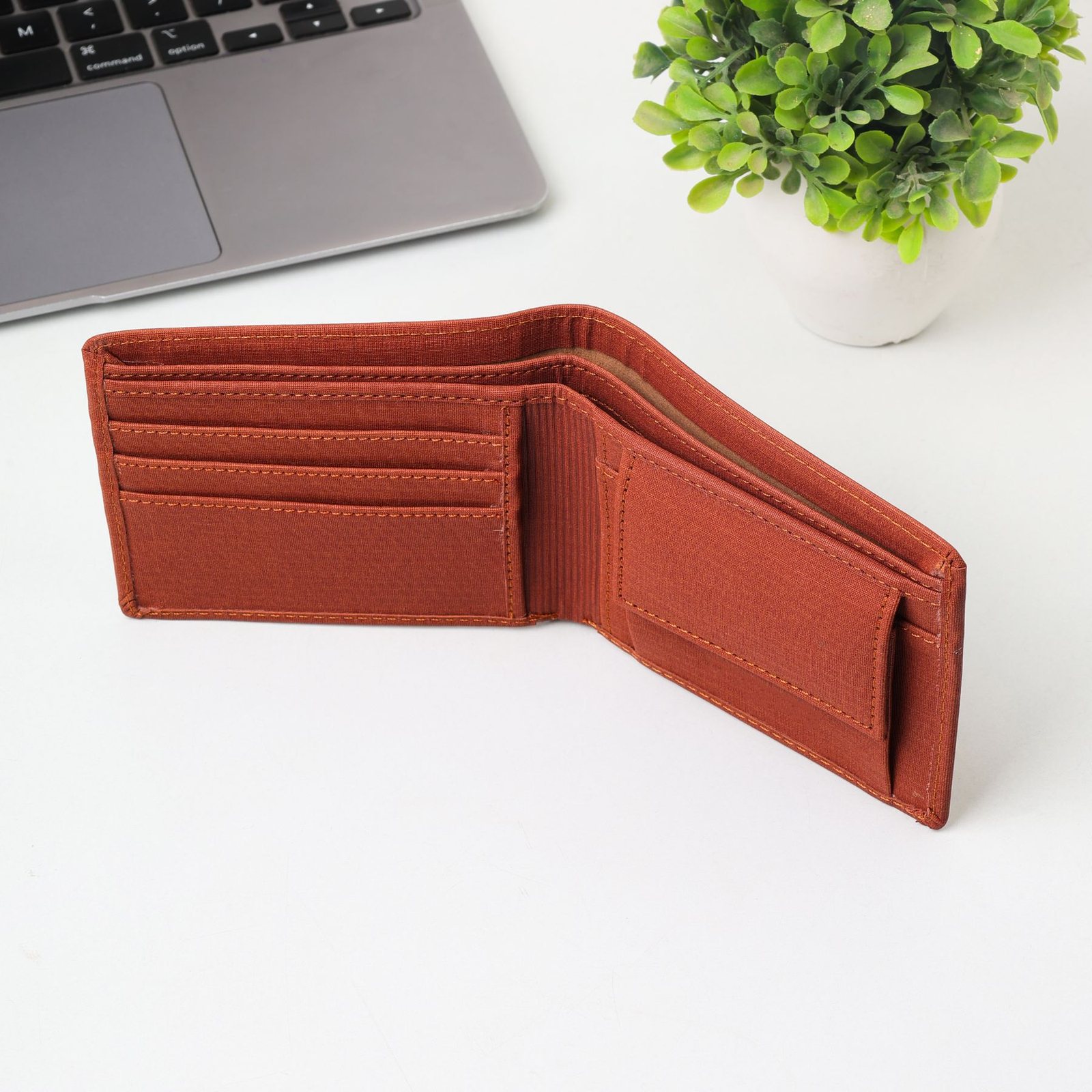
A lean wallet matters because every card or document inside is one more thing to cancel or replace. A refresher on how credit cards work helps explain why the protections differ from card to card, and our guide to how much cash you should actually keep within reach walks through a sensible amount for emergencies.
If you’d feel better with backup money tucked away somewhere safer than your pocket, this guide on saving money for an emergency fund is a good place to start.
3. Every Card You Own
Store cards, a backup credit card, the card you use once a year for travel: they add up. The FTC’s advice is simple: carry only the cards you need and leave the rest at home.
The fewer cards in your wallet, the fewer calls you’ll have to make if it goes missing. Keep a list of your card issuers and their phone numbers in a safe place at home, or photograph the fronts and backs and store the images securely, so you can report a loss quickly.
4. Old Cards You’ve Already Replaced
When a new card arrives in the mail, the old one often ends up tucked behind it. An expired card might seem harmless, but it still shows your name and card details, and there’s no reason to carry it around.
The FTC recommends destroying old cards by cutting through the account number, magnetic strip and security code. For chip cards, it suggests breaking the chip, even with a hammer. Then throw the pieces away in separate batches.
5. More Cash Than You’d Be Comfortable Losing
Cards come with federal protections. The FTC notes that your liability for unauthorized credit card charges is capped at $50, and that you aren’t responsible at all if you report the loss before the card is used. Paper money, on the other hand, has no such safety net once it’s gone.
That doesn’t mean you shouldn’t carry cash. A little on hand is useful during an outage or at a cash-only stand, so a modest amount is worth keeping handy. Just keep the bulk of your money in an insured bank account, and the CFPB suggests checking your account transactions as often as possible so you catch any problems early.
The Bottom Line
A lighter wallet is a safer wallet. Leave your Social Security card and spare cards at home, never carry your PIN, destroy old cards, and keep cash to a sensible amount. If the worst happens, you’ll have far less to untangle.