You Grew Up in a Strict Home If You Remember These 10 Rules
Some households ran on gentle suggestions. Others ran on rules, and everyone in the house knew exactly what they were, even if nobody ever wrote them down.
If you grew up in one of those homes, you may have grumbled at the time. Looking back, many people say those rules taught them manners, patience and respect. Here are 10 you will remember if your home was a strict one.
1. Be Home Before the Streetlights Come On
You could ride bikes and roam the neighborhood all afternoon, but when the streetlights flickered on, you had better be walking through the door.
No one needed a watch or a phone. The streetlights were the clock, and being late meant a stern look at the very least. Rules like this one feel a lot like the Grandma’s house rules every 1970s kid knew by heart.
2. Dinner Is at Six, and Everyone Is There
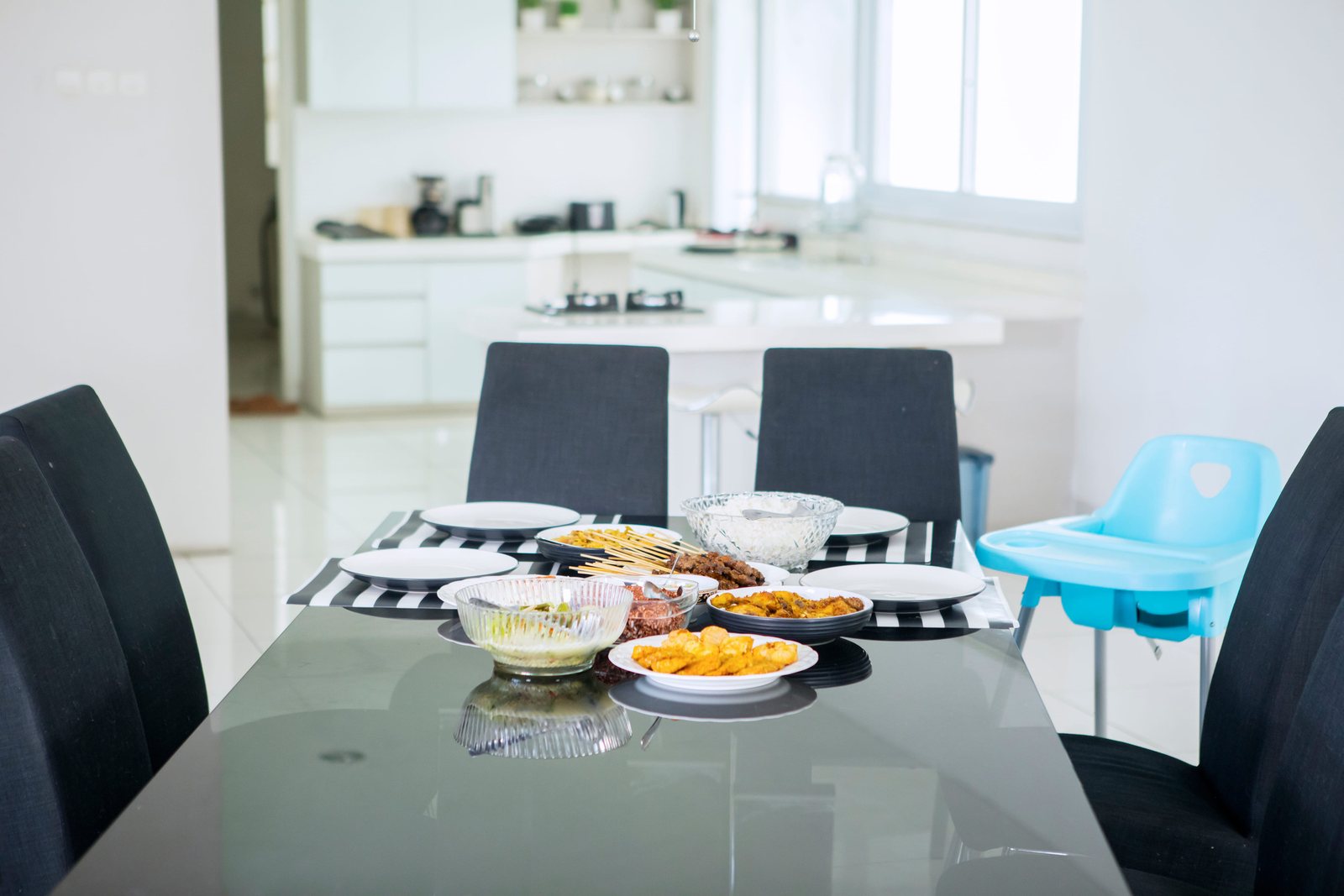
In a strict home, supper happened at the same time every night, and attendance was not optional. You washed your hands, sat in your usual chair and waited until everyone was served.
Starting before the cook sat down was out of the question. Today, that kind of nightly family dinner is one of the social norms people debate keeping or letting go.
3. No Elbows on the Table
This rule came straight from the etiquette books. The Emily Post Institute’s look back at the 1955 edition of Etiquette quotes the rule plainly: “Elbows are never put on the table while one is eating.”
Napkins stayed on laps, too. If you forgot, a parent only had to clear their throat.
4. Clean Your Plate
Whatever was served, you ate. Liver and onions, lima beans or a casserole you did not like, it all had to go.
Many parents had grown up with very little, and wasting food felt wrong to them. Sometimes the rule came with a reminder about how lucky you were, and the sense of thrift stuck with many people, the kind of lesson that shows up in the hardest truths to accept in life, according to baby boomers.
5. Ask to Be Excused
Nobody simply got up and left the table. You asked, “May I please be excused?” and waited for a yes.
It was a small moment, but it taught that a meal was a shared time, not a pit stop. Many adults still feel a twinge of guilt when they leave a table without asking, and old-fashioned courtesies like this one are among the Boomer habits that are making a comeback.
6. Homework Comes Before Television
The TV stayed off until homework was finished and checked. In some homes it stayed off on school nights altogether, except for a show or two the whole family watched together.
Sunday night was often the exception. The Ed Sullivan Show aired on Sunday nights on CBS from 1948 to 1971, and in many strict homes it was the one program everyone was allowed to stay up for.
7. Phone Calls Have Limits
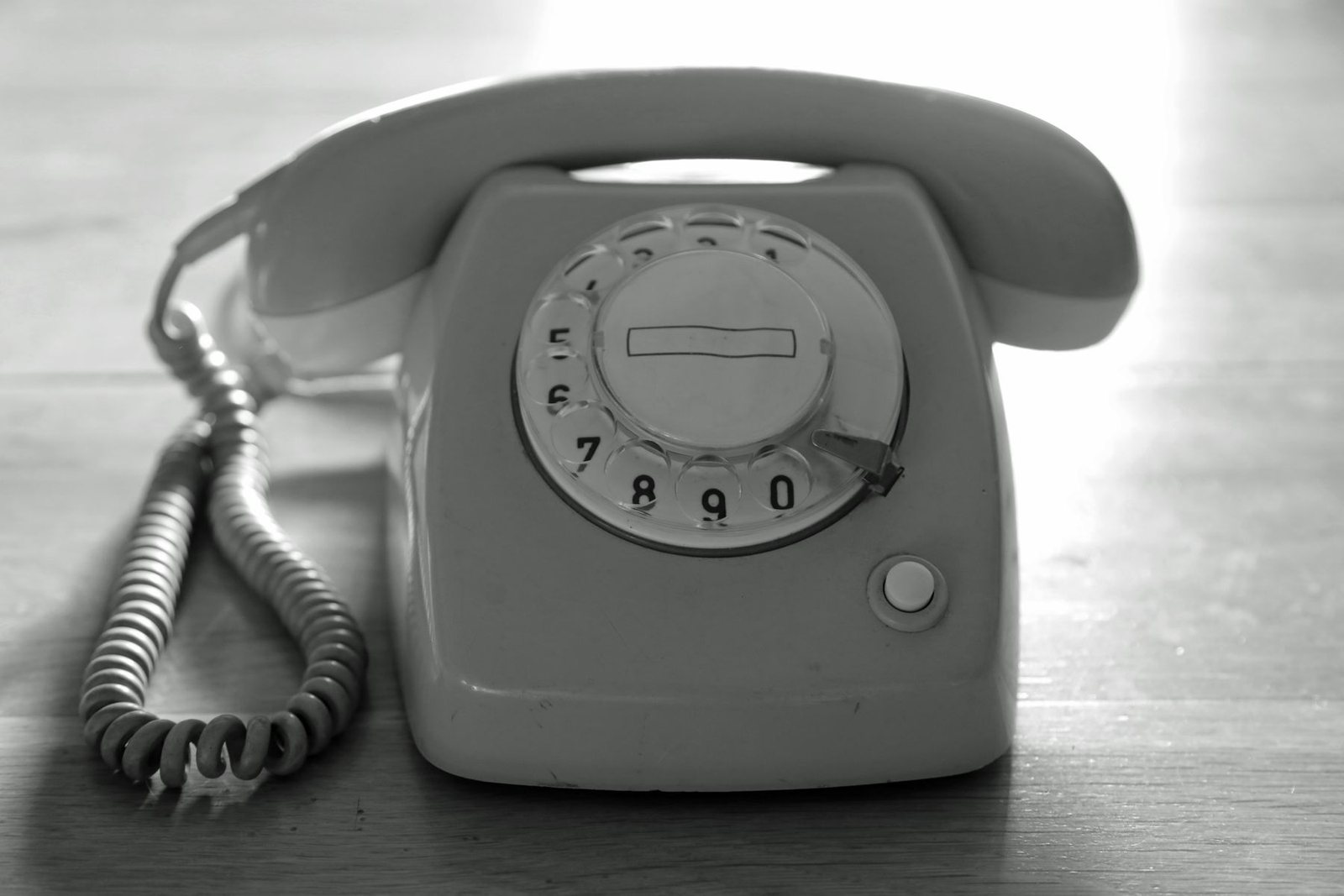
The family phone hung on the kitchen wall, and everyone could hear your conversation. Calls were short, nobody called during dinner and nobody called after 9 p.m.
Long-distance calls needed permission, because they cost real money. People who lived by these rules will smile at the telephone rules people who grew up in the 1970s remember.
8. A Thank-You Note for Every Gift
Birthday checks and Christmas presents could not be enjoyed until the thank-you notes were written and mailed. Parents sometimes checked the spelling, too.
The habit has lasting value. The Emily Post Institute argues for the handwritten thank-you note because a mailed card is kept and seen again, while an email is read and deleted, and it says a note can be as short as three sentences.
9. “Yes, Ma’am” and “No, Sir”
Adults were addressed with respect, and that meant ma’am, sir, Mr. and Mrs. Calling a neighbor by a first name was unheard of in many strict homes.
Talking back was not tolerated. Even a sigh or an eye roll could earn a talking-to.
10. Don’t Slam the Door
Screen doors, bedroom doors and car doors were all closed gently. A slammed door meant you had to go back, open it and close it again, properly this time.
It sounds small, but it taught people to mind their tempers and the people around them.
Rules That Stayed With Us
Strict homes were not always easy, but many of their rules turned into lifelong habits. If you still write thank-you notes, keep your elbows off the table and close doors gently, you know exactly where you learned it.