Only People Who Grew Up in the 1970s Remember These 10 Telephone Rules
In the 1970s, most homes had one telephone, maybe two if you were fancy, and it was usually mounted on the kitchen wall with a cord long enough to reach the pantry. Everyone in the house shared it, and that meant rules.
Some were spoken, some were simply understood, and breaking them could earn you a stern look from across the room. If you grew up with a rotary dial and a phone book on the counter, these 10 telephone rules will sound very familiar.

1. Never Call During Supper
Dinnertime was sacred. Calling a friend’s house between about 5:30 and 7 p.m. was considered rude, and if the phone rang during the meal, a parent often let it ring or answered with a quick “We’re eating, can they call you back?” The same respect for the family table shows up in many of the Grandma’s house rules every 1970s kid knew by heart.
2. Long Distance Waited for the Cheaper Hours
Calling Grandma in another state was a planned event. Rates depended on the time of day, and families saved those calls for evenings and weekends. A 1981 Christian Science Monitor guide to long-distance service noted that the biggest savings came in the evening, when Bell dropped its rates 60 percent. Somebody always watched the clock while you talked.
3. Keep It Short, Someone Might Be Trying to Call
With no call waiting in most homes, a teenager on the phone meant nobody else could get through. Parents would remind you that Dad was expecting a call from work, or that Aunt Carol might be trying to reach the house. Twenty minutes was pushing it. An hour was grounds for a lecture, and the siblings waiting their turn quickly became the original people who hate talking on the phone.
4. On a Party Line, Listen for Your Ring
In rural areas, some families still shared a party line with neighbors. Each household had its own ring pattern, and you only picked up when it was yours. The polite rule was simple. Don’t listen in, and if someone needed the line for an emergency, hang up right away. Party lines are high on the list of little rituals that disappeared without much notice.
5. Answer With Your Family Name
Kids were taught to pick up and say, “Hello, Johnson residence,” or “This is the Millers.” It was a small courtesy that let callers know they had reached the right house. Many kids practiced it until it rolled off the tongue, and some adults still answer that way out of pure habit.
6. Take a Message on the Pad by the Phone
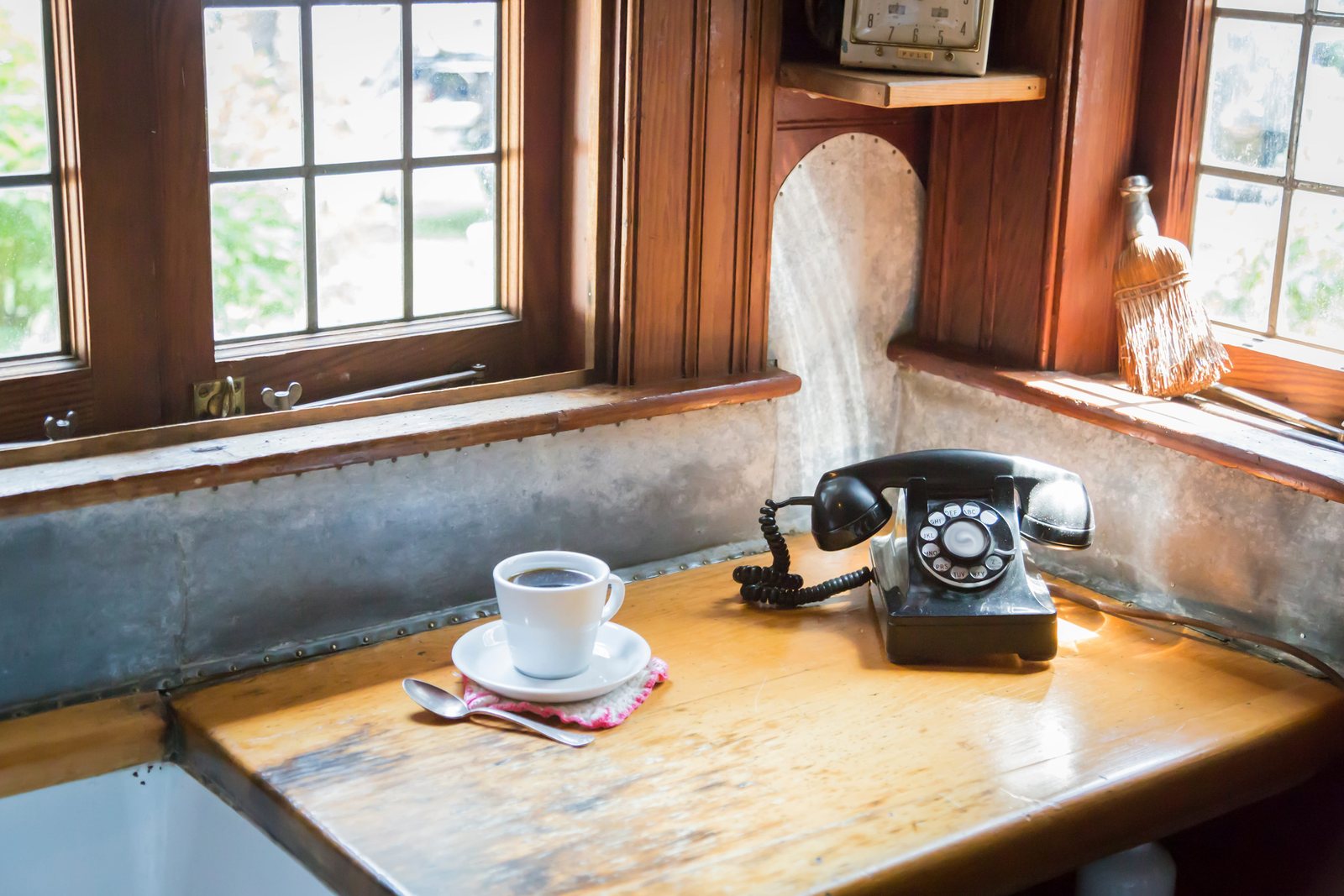
Every kitchen phone had a notepad and a pen, sometimes tied on with string so it wouldn’t wander off. If a call was for someone else, you wrote down the name, the number and the time. That little notepad belongs right next to the nostalgic items everyone had 30 years ago, and so does the habit of writing things down, which is quietly making a comeback.
7. No Calls After 9 P.M.
Unless someone was sick or there was big news, calling a home after 9 p.m. was off-limits. A late ring meant something serious, and it made everyone’s heart jump. Even today, plenty of people who grew up with that rule feel a jolt when the phone rings late, and some would rather it never rang at all.
8. Dial Carefully, and Don’t Play With the Phone
On a rotary phone, one slip of the finger meant hanging up and starting over. Kids were told not to spin the dial for fun or tie up the line pretending to call someone. Push-button phones existed, and History.com notes that the Bell System rolled out the first commercial Touch-Tone phones in late 1963, but many homes kept their trusty rotary model well into the decade.
9. Ask Before Using a Friend’s Phone
At a friend’s house, you never just picked up their phone. You asked permission first, kept it short and never, ever called long distance. Calling home to ask if you could stay for dinner was about the only acceptable reason.
10. Don’t Stretch the Cord Around the Corner
Everyone wanted privacy, so teenagers pulled that coiled cord as far as it would go, into the pantry or around the corner into the hallway. Parents warned that it would stretch out and never recover, and they were usually right. Coiled cords were part of the classic Western Electric Model 500 design, which the Cooper Hewitt museum notes was produced more than 93 million times between 1949 and 1984.
These days, phones fit in our pockets and nobody has to wait for cheaper rates to call Grandma. But the old telephone rules taught patience, courtesy and a little respect for other people’s time. Not bad lessons for a gadget that hung on the kitchen wall.