5 Types of Burgers You Should Avoid Making on the Grill
A burger can look ready for the cookout and still be a poor match for open grill grates. Some patties need a solid cooking surface to develop their signature crust. Others need better shaping, less moisture, or tighter heat control.
That doesn’t mean you have to abandon your favorite burger. The trick is to spot which preparations need tweaks before they hit the grill. These five deserve extra attention, whether you’re cooking beef, beans, or a cheese-stuffed patty.
Very Lean Beef Burgers
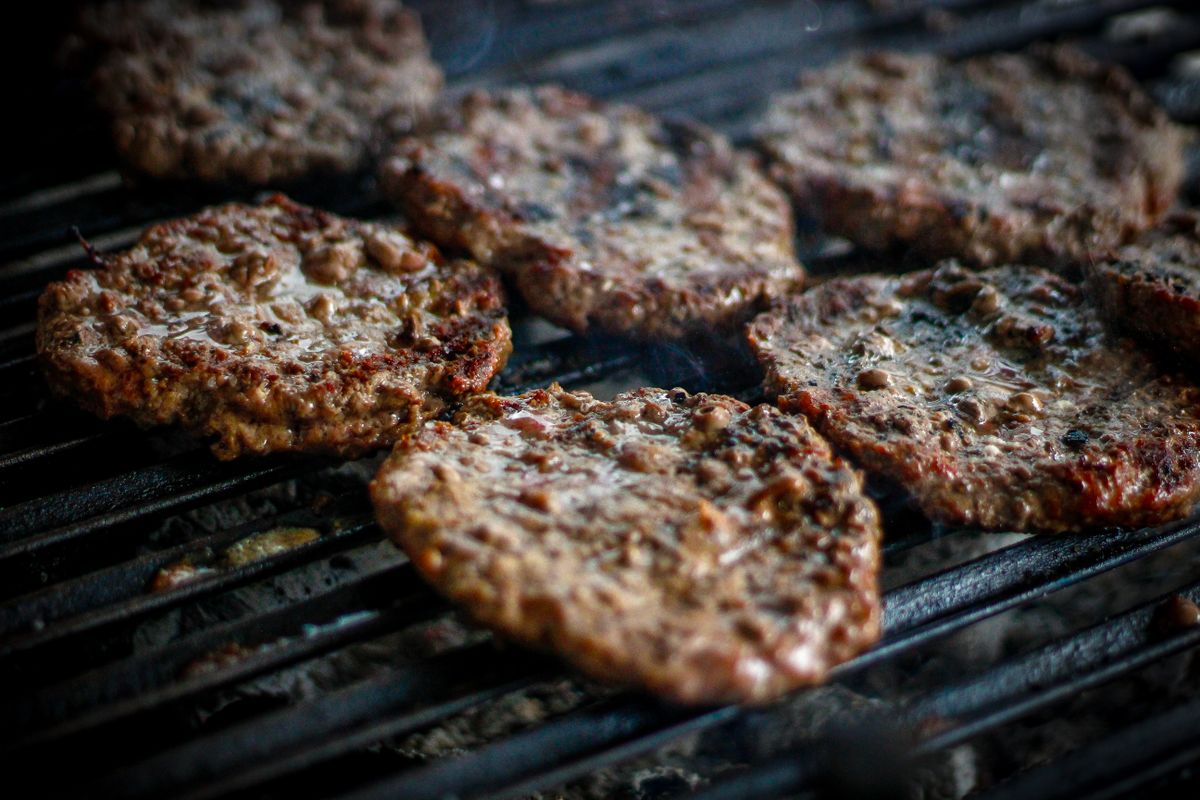
Very lean ground beef can make a disappointing grilled burger when you treat it exactly like a fattier blend. America’s Test Kitchen warns that beef labeled 90% or 93% lean is more likely to turn out dry. Its grilling guidance recommends ground beef containing at least 15% fat.
Fat adds tenderness and juiciness to a burger. On open grates, rendered fat and juices can drip away from the patty. That makes your beef choice especially important if you want a juicy burger without building a recipe around lean meat.
For a straightforward grilled burger, consider 80/20 or 85/15 ground beef. Handle the meat gently when forming patties, and resist pressing them repeatedly with your spatula. Squeezing a burger while cooking pushes out juices you would rather keep inside.
Very lean beef can still work in a burger recipe designed for it. However, changing the cooking surface alone won’t guarantee a juicy result. Start with a tested preparation that accounts for the meat’s lower fat content.
Related: 7 Simple Meals That Have Been Overcomplicated by Trends
Extra-Thick Burgers Over Constant High Heat
An oversized patty can create an awkward race between the outside and the center. The surface develops a dark crust while the middle still needs time to cook. Leaving it over intense direct heat can deepen that browning before the center finishes cooking.
For everyday grilling, America’s Test Kitchen recommends patties about three-quarters of an inch thick. Shape them evenly instead of leaving a large mound in the middle. A shallow indentation in the center helps prevent bulging during cooking.
If you prefer thick burgers, set up two cooking zones. Start the patties over direct heat to brown the outside, then move them to the cooler, indirect side. Close the lid and let them finish with more controlled heat.
Use a thermometer to decide when they’re ready. USDA recommends cooking ground beef to 160°F internal temperature. A browned exterior cannot tell you whether the center has reached that temperature.
Smash Burgers Pressed Onto Open Grates
Smash burgers depend on contact with a hot, solid surface. Pressing beef against a skillet or griddle creates the broad browned crust that defines this style. Open grates cannot provide that same continuous contact or support.
The issue is the smashing technique, rather than thin burgers as a whole. A thin patty shaped before cooking is a different preparation. Trying to flatten loose beef against spaced grill bars asks the cooking surface to do something it wasn’t built for.
Use a grill-compatible cast-iron skillet or griddle if you want smash burgers outdoors. Bon Appétit identifies a cast-iron skillet heated on either the grill or stovetop as an appropriate option. You still get an outdoor cooking experience while giving the beef the surface it needs.
Smash the meat early, then let the underside brown before scraping and turning. Avoid repeatedly squeezing the patty as it cooks. For thin beef patties, USDA advises inserting the thermometer through the side so the sensing area reaches the center.
Homemade Bean Burgers With Wet Mixtures
A homemade bean burger can struggle on the grill if its mixture is too wet or poorly bound. The patty becomes hard to transfer and flip when it lacks structure. That doesn’t make every bean burger unsuitable for grilling.
Serious Eats tackles this problem by partially drying canned black beans in the oven before mixing. Its tested recipe also cooks the aromatics and uses ingredients including breadcrumbs and egg. Those steps help produce a cohesive patty.
Follow a recipe developed for grilling instead of guessing at moisture and binder quantities. If a patty feels too fragile to transfer confidently, consider cooking it in a skillet. A solid surface provides support that open grates cannot.
For a grill-ready mixture, follow the recipe’s instructions for heat and handling. Clean and oil the grate, then let the first side brown before carefully turning. Good preparation gives a bean burger a better chance of staying together.
Stuffed Burgers With Overfilled Centers
Stuffing cheese inside a burger adds another step that needs care. The meat must fully enclose the filling, including along the edges. An overfilled center leaves less room to build a dependable seal.
Food Network Kitchen’s queso-stuffed burger recipe leaves a three-quarter-inch border around the filling. It then calls for pressing and pinching the edges closed. Another Food Network stuffed-burger recipe emphasizes sealing the cheese inside without air pockets.
Follow the filling quantities instead of adding extra cheese by eye. Keep the border clear and use the heat level specified in your recipe. Food Network’s queso version allows either a medium-heat grill or a skillet.
You can also simplify dinner by adding cheese after cooking an ordinary patty. Either way, check the beef with a thermometer. Melted cheese does not establish doneness. Match the patty to the surface, prepare it carefully, and give yourself room to control the heat.
Other Posts You May Like
. 10 American Foods That Make Visitors Scratch Their Heads- But Many Americans Still Love
. The Big Mac Myth: Did Your Favorite Burger Really Shrink While Prices Skyrocketed?