6 Fast-Food Chains Boomers Grew Up With That Are Shrinking Fast
For anyone who grew up in the ’50s, ’60s or ’70s, fast food was a thrill. A trip to the drive-in or the new burger place on the edge of town felt like a special night out, and the chains that popped up during those years became part of American childhood. Many of those same names are still around today, but you may have noticed a few of them have gotten harder to find.
In 2025 and 2026, some of the biggest and oldest fast-food brands have been closing restaurants by the dozens or even hundreds. The companies usually describe it as “trimming” older or underperforming locations, and many say the stores left behind will be stronger. Still, for longtime customers, watching the neighborhood spot go dark can feel personal.
Some of these chains are still huge, and none of them is disappearing tomorrow. But the numbers tell a clear story, and here are six fast-food chains boomers grew up with that are shrinking fast right now.
1. Wendy’s
Dave Thomas opened the first Wendy’s in Columbus, Ohio, in 1969, naming it after his daughter. With its square burgers, Frosty desserts and old-fashioned decor, it quickly became a favorite for families and teens who came of age in the ’70s, and the “Where’s the beef?” ads made it a pop-culture star in the ’80s. For many, a Frosty after school is one of those ’70s memories that never really fades.
Lately, though, Wendy’s has been closing a lot of restaurants. Restaurant Dive reported in March 2026 that the chain expected 5% to 6% of its U.S. restaurants to close, roughly 300 or more out of about 5,969 locations, with most of those closures happening in the first half of the year. The company says the goal is to help franchisees focus on their strongest locations.
2. Pizza Hut
Pizza Hut started in 1958, when brothers Dan and Frank Carney opened a small pizza place in Wichita, Kansas. For boomers and Gen Xers alike, the red-roofed dine-in restaurants were the setting for birthday parties, Little League celebrations and the famous “Book It!” reading reward program.
The chain has had a rough stretch. Parent company Yum Brands announced plans to close about 250 U.S. Pizza Huts in the first half of 2026 after several quarters of falling sales. According to The Takeout, U.S. sales dropped 5% in 2025, and Yum has even been considering selling the brand. Many of the classic red-roof dining rooms disappeared years ago, and now even some of the takeout spots are closing. For people who remember the checkered tablecloths, the jukebox and the red plastic cups, it’s a bittersweet change.
3. KFC
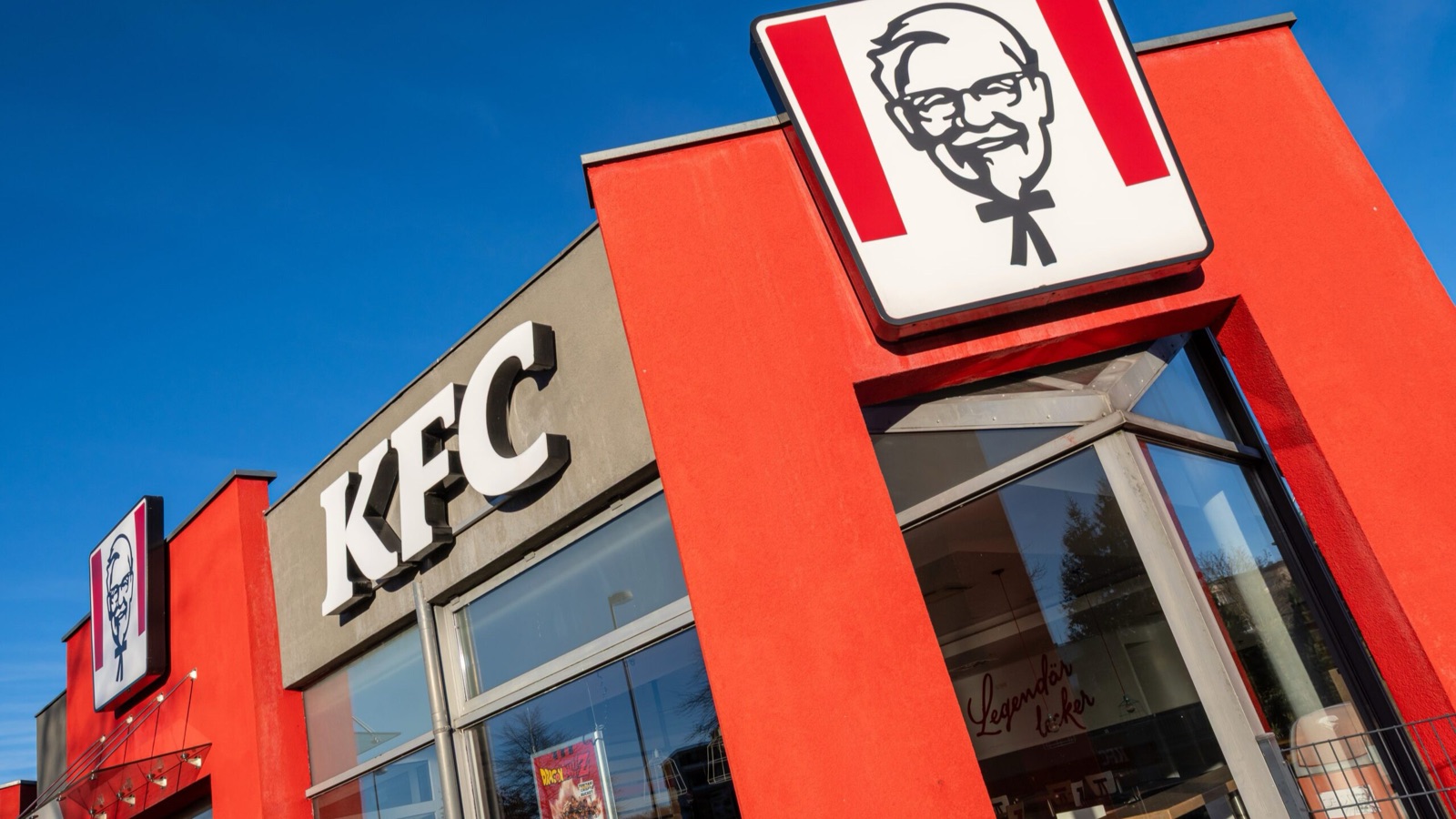
Kentucky Fried Chicken’s story goes back to the 1950s, when Harland Sanders began franchising his fried chicken recipe. By the time boomers were kids, the bucket of chicken with mashed potatoes and biscuits was a go-to Sunday dinner for families who didn’t feel like cooking. The Colonel’s white suit and string tie made him one of the most recognizable faces in America.
Today, KFC is still growing around the world, but it’s shrinking at home. Chowhound reported that a study by the data firm Local Falcon found about 312 U.S. locations, or more than 7%, closed permanently between July 2025 and July 2026. Yum Brands filings cited in news reports showed 161 U.S. closures in 2025 and another 46 in the first quarter of 2026, as competition from newer chicken chains keeps heating up.
4. Jack in the Box
Jack in the Box opened in San Diego in 1951 and was one of the early drive-thru pioneers, at a time when ordering food without leaving your car still felt like science fiction. Customers ordered through a talking clown speaker on top of the building, which was a big novelty at the time. For West Coast boomers, it was a regular stop for burgers, tacos and late-night snacks, and it belongs to the same generation of 1950s fast-food chains that changed how Americans ate.
Now the chain is in the middle of a turnaround plan called “Jack on Track.” Restaurant Dive reported that Jack in the Box closed 86 restaurants and opened just 31 in fiscal 2025, and it expects to close another 50 to 100 in 2026. The company also sold off its Del Taco chain in late 2025 to focus on its main brand, which brings us to the next name on this list.
5. Del Taco
Del Taco got its start in California in 1964, during the years when Mexican-style fast food was just catching on with American families. It became known for tacos, burritos and crinkle-cut fries on the same menu, and for many Southern California boomers, it was the taco stand they grew up with.
The chain has been struggling in recent years. The Takeout reports that Del Taco had about 600 locations when Jack in the Box bought it, and only around 550 by the time it was sold again in 2025. Every location in Georgia closed in February 2026 after a franchisee’s bankruptcy, and the new owners have launched a recovery plan they call “Project Sunrise.”
6. Long John Silver’s
Long John Silver’s opened in 1969 in Lexington, Kentucky, with a seaside theme, wooden decor and baskets of battered fish, fries and hushpuppies. For many boomer families, it was the only place outside of a church fish fry where they could grab a quick seafood dinner. Kids loved scraping up the crunchy “crumblies” at the bottom of the basket.
The chain was once the largest fast-food fish chain in the country, with more than 1,400 U.S. locations at its peak. As Food Republic explains, years of debt, a slow-changing menu and the rise of chicken chains took a toll. Today, only a few hundred locations remain, and news reports based on company filings say about 30 more closed in 2025.
Why the Old Favorites Are Fading
There’s no single reason these chains are shrinking, and it’s worth remembering that closures don’t always mean a brand is in trouble. Many of their buildings are decades old, younger customers often prefer newer chicken and burrito brands, and higher costs have made older locations harder to keep open. Some companies are also making a deliberate choice to close weaker stores so the rest can do better, even if longtime fans miss the old neighborhood spot.
For boomers, though, these brands are tied up with memories of first dates, after-game treats and family road trips, and those memories don’t fade just because a sign comes down. Which of these chains do you remember most fondly, and is there still one open near you? Share your favorite fast-food memory in the comments.