Why So Many Cooks Have Quit Frying Bacon in a Pan
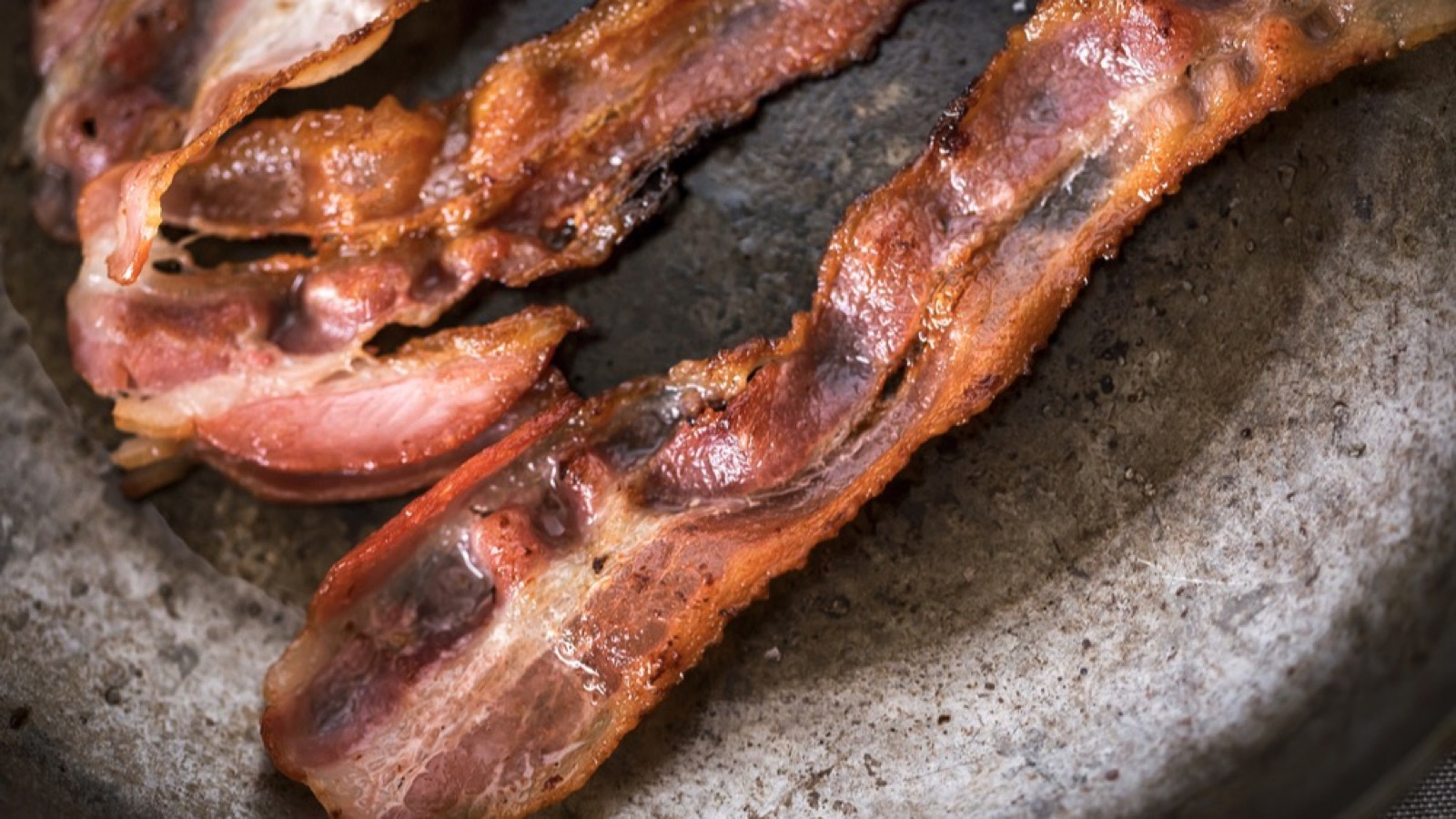
For generations, Saturday morning had a sound. It was the crackle and pop of bacon in a cast iron skillet, usually with someone standing over the stove, fork in hand, dodging hot grease and flipping strips one at a time. The smell drifted through the house and pulled everyone out of bed faster than any alarm clock.
Lately, though, a lot of home cooks have put the skillet away when it comes to bacon. Ask around, and you’ll hear about sheet pans in the oven, air fryer baskets and even a strange trick involving a splash of water. Food writers and test kitchens have been talking up these methods for years, and plenty of people who tried them say they’re never going back.
So what happened to the old frying pan? The answer has a lot to do with mess, time and the simple wish to get a big batch of bacon on the table without standing guard over the stove.
The Splatter Problem Nobody Misses
Anyone who has fried bacon knows the downside. Hot fat pops out of the pan and lands on the stovetop, the backsplash, the floor and sometimes your arm. Afterward, there’s a greasy film to scrub off the burners, and the kitchen can smell like bacon for the rest of the day.
That mess is one of the biggest reasons people switch. When bacon cooks in the oven, the grease mostly pools in the pan and stays there. As Food Republic explains, lining a rimmed baking sheet with foil or parchment means cleanup can be as easy as letting the grease cool and tossing the liner.
The Oven Has Taken Over
The oven method is simple, which is part of its charm. You lay the strips flat on a lined, rimmed baking sheet, slide it into a hot oven around 400°F and let it cook for somewhere between 10 and 20 minutes, depending on thickness and how crisp you like it. Some cooks set a wire rack on the pan so the fat drips away, while others like the strips flat on the pan for a slightly chewier bite.
Fans of oven bacon say it cooks more evenly, because the strips get steady heat instead of the hot spots you often find in a skillet. It’s also a lifesaver for big families and holiday breakfasts. Instead of frying three or four strips at a time, you can fit a whole package on one pan, or use two pans at once, and walk away while it cooks.
That hands-off part matters more than people expect. While the bacon bakes, you can scramble eggs, flip pancakes or set the table, which is exactly the kind of clever kitchen trick busy cooks love. It’s a big change from the days when one person was stuck at the stove the whole time.
Cooks who bake their bacon regularly have picked up a few habits along the way. They lay the strips in a single layer so they don’t stick together, and they use a pan with sides so the grease can’t drip onto the oven floor. Many also turn the pan halfway through, since most ovens have spots that run hotter than others. Thick-cut bacon gives off a lot more fat, so people who love it often keep a close eye on the pan and move it carefully when it comes out.
The Strange Water Trick
Not everyone has given up the skillet entirely. Some cooks have just changed how they use it, thanks to a method made popular by America’s Test Kitchen. It sounds backward, but it works by starting the bacon in a cold pan with a little water.
According to America’s Test Kitchen, you add just enough water to cover the bacon and cook it over medium heat. The water keeps the early cooking gentle while the fat starts to render, and by the time it boils away, the bacon can finish browning without burning as easily. The test kitchen says the result is bacon that’s crisp but still tender, and many people find it splatters less, too.
The Air Fryer Crowd
Then there’s the air fryer, the gadget that has taken over countertops in the last several years. Many owners swear by it for bacon because it’s fast, contained and doesn’t heat up the whole kitchen. A few strips can be ready in about the time it takes to brew a pot of coffee.
There are some tricks to it, though. Grease collects in the bottom of the basket and can start to smoke if the temperature is too high. Food Republic recommends keeping the heat a bit lower and pouring out the grease between batches. Because air fryer baskets are fairly small, it’s better for a couple of people than for a crowd. Some owners also line the basket with parchment made for air fryers, which catches drips and makes cleanup a little easier.
What Happens to All That Grease
Grandma never wasted a drop of bacon grease. Many families kept a jar or a can by the stove, filled it after every breakfast, and used the drippings to fry eggs, season green beans or make cornbread. That tradition is still alive in plenty of kitchens today, and the oven method makes it easy to pour cooled grease from the pan into a jar.
What you should never do is pour it into the sink. Once grease cools, it hardens and can clog pipes, which is why it tops lists of things that should never go down the drain. Letting it cool on a sheet pan or in a jar makes it much easier to save or throw away properly.
The Skillet Still Has Fans
Of course, the frying pan isn’t going anywhere. Some cooks love the control they get from a skillet, where they can watch each strip and pull it out at exactly the right moment. Others just like the ritual of standing at the stove on a slow weekend morning.
The newer methods have their own drawbacks, too. Mashed points out that oven bacon takes longer once you count preheating, it’s harder to keep an eye on individual strips, and grease can still splatter inside the oven if you’re not careful. For a few slices on a weekday, the skillet can still be the quickest option.
A Breakfast Classic, Cooked a New Way
In the end, the switch away from the frying pan isn’t about bacon tasting better or worse. It’s about less mess, less babysitting and more room on the stove for everything else. For a generation of cooks who grew up dodging grease spatters, that’s a trade many are happy to make.
How do you cook your bacon these days, in a skillet, in the oven or in the air fryer? Tell us in the comments, and let us know whether your family still keeps a jar of bacon grease by the stove.