7 Anti-Aging Foods That May Help Your Skin Look Younger
Aging is inevitable, but your skin can change in ways that make you wish you could turn back the clock. Fine lines, wrinkles, and changes in firmness are familiar concerns, and expensive skincare products often promise noticeable improvements. Yet some everyday foods are also attracting scientific attention for their potential effects on skin appearance.
Certain foods contain compounds that help maintain normal skin structure, and a handful have been studied in human trials measuring wrinkles, firmness, and other skin characteristics.
The evidence isn’t equally strong for every food, and none can guarantee younger-looking skin. Still, these seven grocery-store favorites offer interesting reasons to take a closer look at what ends up on your plate.
Almonds
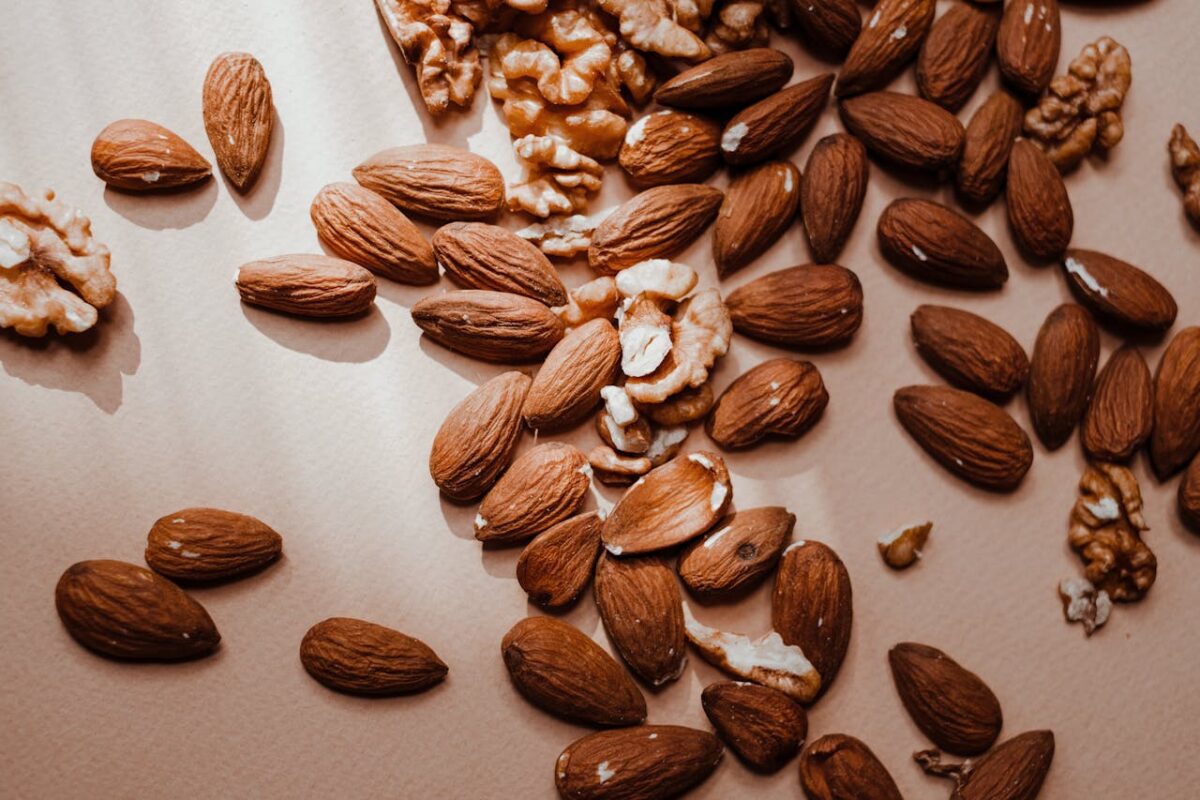
Almonds may seem like an ordinary snack, but researchers have studied them for their effects on facial wrinkles.
A 2021 randomized controlled trial examined almond consumption among postmenopausal women with lighter skin types over 24 weeks.
Participants who ate almonds experienced a 15% reduction in average wrinkle-severity scores after 16 weeks and a 16% reduction after 24 weeks, compared with their starting measurements.
That doesn’t mean almonds made participants look 16% younger. The findings involved specific wrinkle measurements in a relatively narrow group of women.
Almonds contain vitamin E, fatty acids, and plant compounds called polyphenols, making them an interesting subject for skin-related research.
For an easy addition to everyday meals, try chopped almonds over oatmeal, mixed into yogurt, or scattered across a fruit bowl.
Related: 25 Foods You Didn’t Know Were Killing Your Metabolism
Avocados
Avocados are famous for their creamy texture and popularity on breakfast toast, but their potential connection to skin firmness has also attracted attention.
A randomized pilot study involving 39 women examined what happened when participants consumed one avocado daily for eight weeks.
The avocado group showed improvements from baseline in forehead firmness and elasticity. One forehead firmness measurement also improved significantly compared with the control group.
However, the study found no significant between-group improvements in every characteristic examined, including hydration and pigmentation.
That distinction matters. The findings suggest a possible connection between avocado consumption and certain aspects of skin firmness, rather than proving that the fruit reverses visible aging.
Avocados also fit easily into familiar dishes. Add slices to toast, mash them into a spread, or toss diced avocado into a colorful salad.
Mangoes
Sweet, juicy mangoes may seem like an unlikely addition to a conversation about wrinkles, but one small study produced intriguing findings.
A pilot study involving postmenopausal women examined the effects of eating Ataulfo mangoes four times weekly for 16 weeks.
Participants were assigned either about half a cup or 1.5 cups per serving.
Among those eating the smaller portion, one deep-wrinkle measurement decreased by 20% from baseline after 16 weeks.
Interestingly, several wrinkle measurements increased in the group consuming larger portions.
These results shouldn’t be interpreted as proof that eating more mangoes causes wrinkles. The study was small, lacked a mango-free control group, and left important questions unanswered.
It also examined a specific mango variety, meaning the findings cannot automatically be extended to every mango sold in grocery stores.
For a simple serving idea, add a little chopped mango to a fruit bowl or homemade salsa.
Tomato Paste
Tomato paste is usually tucked away in the pantry until it’s needed for spaghetti sauce, chili, or stew. However, its concentrated tomato content makes it another interesting ingredient in studies on skin.
Tomatoes contain lycopene, a naturally occurring plant pigment that has been investigated for its relationship with the skin’s response to ultraviolet light.
In a randomized study involving 20 women, participants consumed tomato paste containing 16 milligrams of lycopene alongside olive oil daily for 12 weeks, while a comparison group consumed olive oil alone.
Researchers observed differences in certain markers associated with UV-related skin damage, including reduced UV-induced activity of an enzyme involved in collagen breakdown.
The trial did not establish that eating tomato paste visibly removes wrinkles or makes someone look younger.
It also doesn’t mean tomato paste can replace sunscreen or other sun-protection measures.
Nevertheless, it offers an interesting reason to appreciate an inexpensive pantry ingredient that already belongs in countless American kitchens.
Red Bell Peppers
Bright red bell peppers bring sweetness, crunch, and color to everyday meals. They also contain vitamin C, a nutrient involved in the body’s normal collagen production.
Collagen is a key structural component of skin, which is why vitamin C often comes up in discussions about skin appearance.
According to the National Institutes of Health, half a cup of raw sweet red pepper provides approximately 95 milligrams of vitamin C.
However, there’s an important difference between understanding vitamin C’s role and showing that eating red peppers reduces existing facial wrinkles.
The available evidence does not establish a specific wrinkle-reducing effect from red bell pepper consumption.
Even so, their versatility makes them easy to add to everyday meals without complicated prep. Slice them into strips for dipping, chop them into salads, or add them to fajitas and other skillet dishes.
Sweet Potatoes
Sweet potatoes are a familiar grocery-store staple, but their naturally occurring carotenoids link them to normal skin function. These vegetables contain provitamin A carotenoids, which the body converts to vitamin A.
The National Institutes of Health identifies a baked sweet potato eaten with its skin as a substantial source of vitamin A. Vitamin A helps maintain normal skin, but that doesn’t make sweet potatoes a proven treatment for wrinkles.
Don’t confuse the vitamin A you get from food with prescription retinoids or topical skincare products. They are not interchangeable treatments. Sweet potatoes remain a practical choice for anyone who enjoys straightforward home cooking.
Bake them whole, roast them into wedges, or serve them alongside a favorite dinner for a colorful addition to the plate.
Salmon
Salmon rounds out the list with a different nutritional profile from the fruits, vegetables, and nuts already mentioned.
The fish provides protein and omega-3 fatty acids, both of which appear in scientific discussions examining food components and skin function.
A review discussing nutrition and skin health considers dietary nutrients and their possible roles in maintaining skin structure and appearance.
However, evidence involving individual nutrients should not be mistaken for proof that eating salmon visibly reduces wrinkles.
There isn’t enough verified evidence to claim that a particular salmon serving makes facial skin look younger.
Still, salmon fits naturally into familiar home-cooked meals. Bake it with herbs, serve it alongside roasted sweet potatoes, or pair it with a crunchy red pepper salad.
It’s an uncomplicated way to bring several foods from this list together on one dinner plate.
The Bottom Line
The connection between food and younger-looking skin is more complicated than any single grocery-store ingredient can explain.
Almonds, avocados, and mangoes have shown promising results in small human studies, while tomato paste has been examined for certain UV-related skin responses. Red bell peppers, sweet potatoes, and salmon have different nutritional profiles, but they haven’t been shown to erase wrinkles.
The most useful takeaway is to keep expectations realistic. No food can stop aging, and promising early findings don’t guarantee visible results. These seven familiar ingredients show why scientists keep exploring the relationship between everyday foods and skin appearance.