7 Banned Ingredients That Prove America’s Kitchen Had a Dark Past
Some ingredients disappear quietly. Others leave behind a story so strange that it feels less like food history and more like a warning label with a plot twist. The United States food system has not always been the tightly watched supermarket maze people know today. For decades, manufacturers, cooks, and restaurants used ingredients that made food look brighter, last longer, taste bolder, or cost less to produce. Then science caught up, regulators stepped in, and some of those once-normal ingredients were pushed out of the American food supply.
The interesting part is that “banned” does not always mean the same thing. Some ingredients are completely off-limits in food. Others are banned only when used as additives, yet still appear in perfumes, cosmetics, packaging, or industrial products. That tiny difference matters because it explains why something can smell beautiful in a fragrance but be forbidden in a dessert. These seven banned ingredients show how much food safety has changed, and why some old recipes are better left in the past.
Artificial trans fats
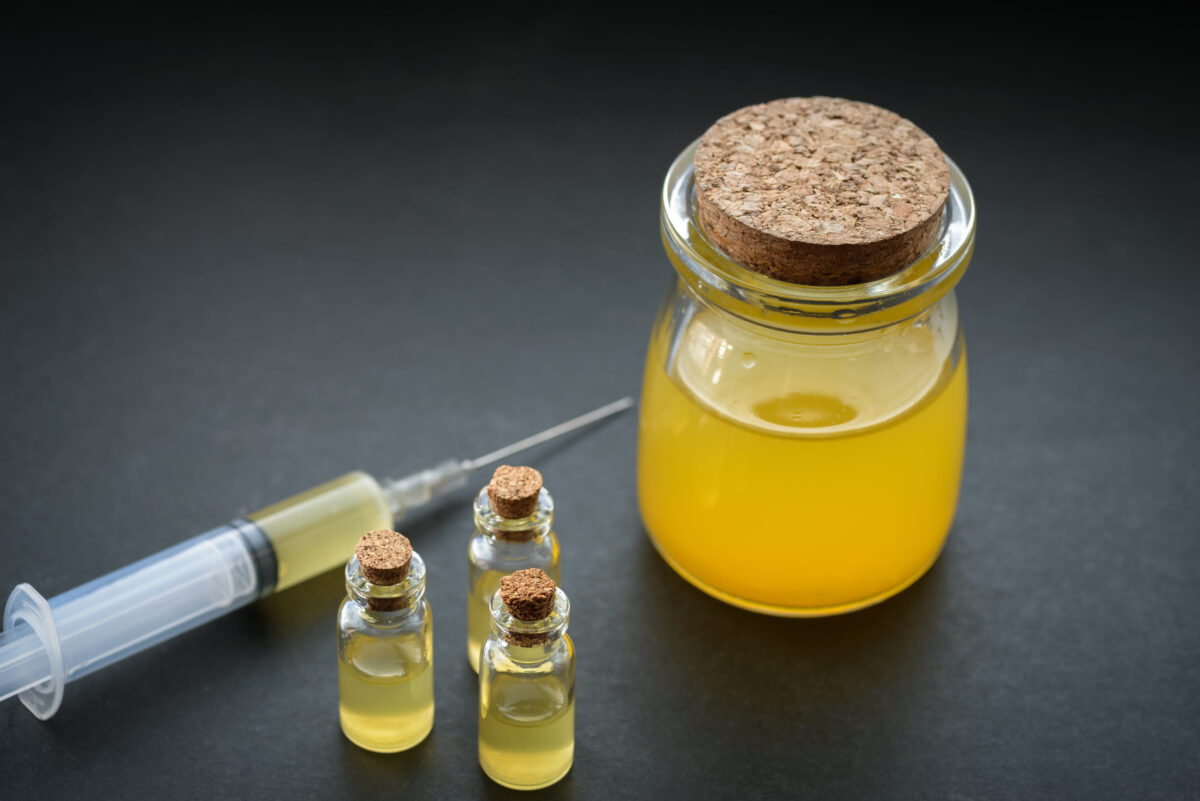
Artificial trans fats were once the golden child of processed food. They made pastries flakier, fries crispier, frosting more stable, and packaged snacks last longer on store shelves. The problem was that the convenience came with a brutal cost. Artificial trans fats, mostly from partially hydrogenated oils, were linked to higher LDL cholesterol and increased risk of heart disease. The FDA determined in 2015 that partially hydrogenated oils were no longer generally recognized as safe, and for most food uses, manufacturers had to stop adding them by June 18, 2018.
Their fall was dramatic because they were everywhere. Microwave popcorn, frozen pies, margarine, fast-food frying oils, packaged cookies, and shelf-stable baked goods all leaned on them for texture and durability. The ban did not mean every trace of trans fat vanished overnight, since small naturally occurring amounts can appear in meat and dairy. Still, the artificial version lost its place in the American food machine. It is a rare food-safety story in which the villain was not exotic or obscure. It was sitting in lunchboxes, diner fryers, and grocery carts for years.
Red Dye No. 2
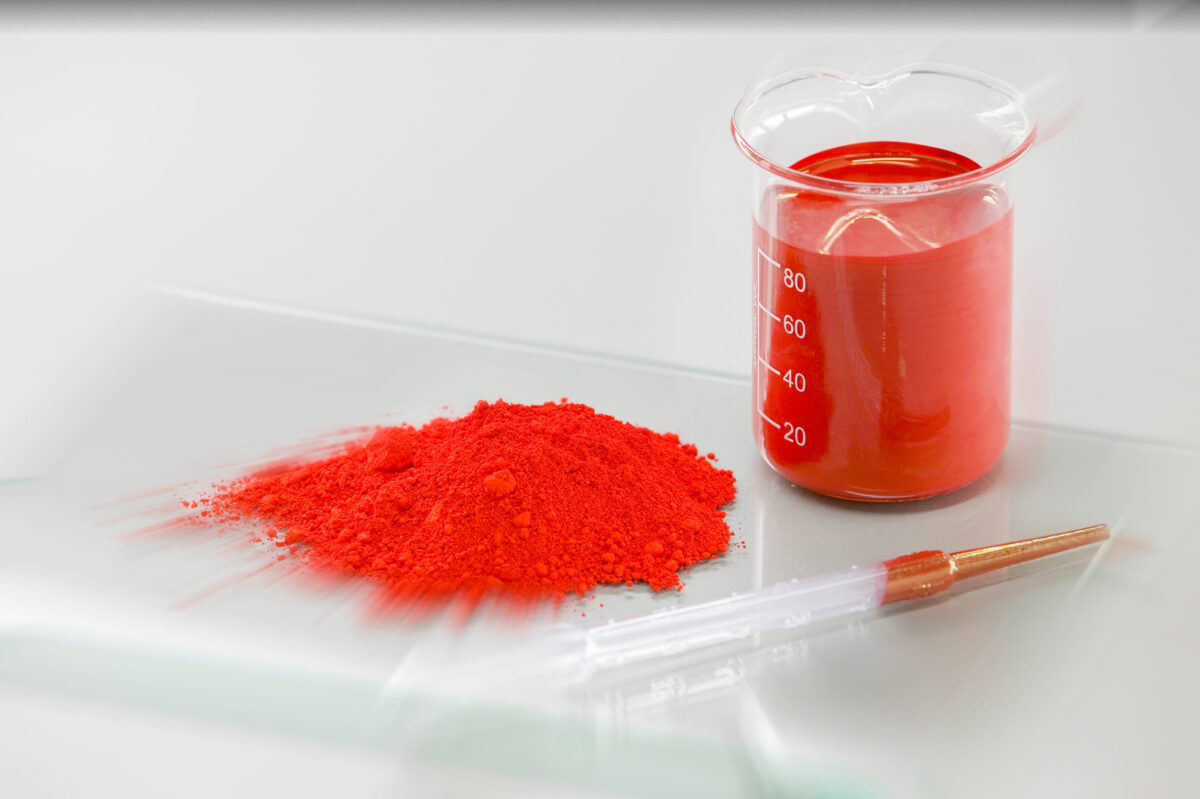
Red Dye No. 2 had one job: make food look irresistible. It gave candy, drinks, desserts, and processed foods a bright red glow at a time when shoppers were learning to eat with their eyes. Then the mood changed. Concerns over animal studies and possible toxic or cancer-related effects pushed regulators to remove it from food use in 1976. The dye, also known as amaranth, became one of the most famous examples of a food colorant that lost public trust.
The story feels especially relevant now because synthetic dyes remain under pressure. Red No. 3, a different dye, was also revoked by the FDA in January 2025 for use in food and ingested drugs, with food manufacturers given until January 15, 2027, to reformulate. Red Dye No. 2 dates back to an earlier era, but it helped set the tone for today’s debate over color additives. The lesson is simple. A prettier snack is not worth much if the ingredient behind that color keeps raising red flags.
Safrole
Safrole is the reason real old-fashioned root beer is mostly a memory. For generations, sassafras gave root beer its earthy, spicy, almost medicinal flavor. That signature taste came partly from safrole, a natural compound found in sassafras oil and bark. Then, safety concerns changed everything. U.S. regulations now prohibit the addition of safrole, oil of sassafras, isosafrole, and dihydrosafrole to human food, including products like sassafras tea that are used mainly to deliver those substances.
That does not mean every sassafras-flavored item is illegal. Safrole-free sassafras extract may be used under specific conditions, which is why modern root beer can still nod to the original without using the risky compound. Safrole’s story is a perfect example of how tradition can collide with toxicology. Something can be natural, nostalgic, and flavorful, yet still be unsafe as a food ingredient. Grandma’s pantry was not automatically cleaner just because it had fewer labels.
Tonka beans
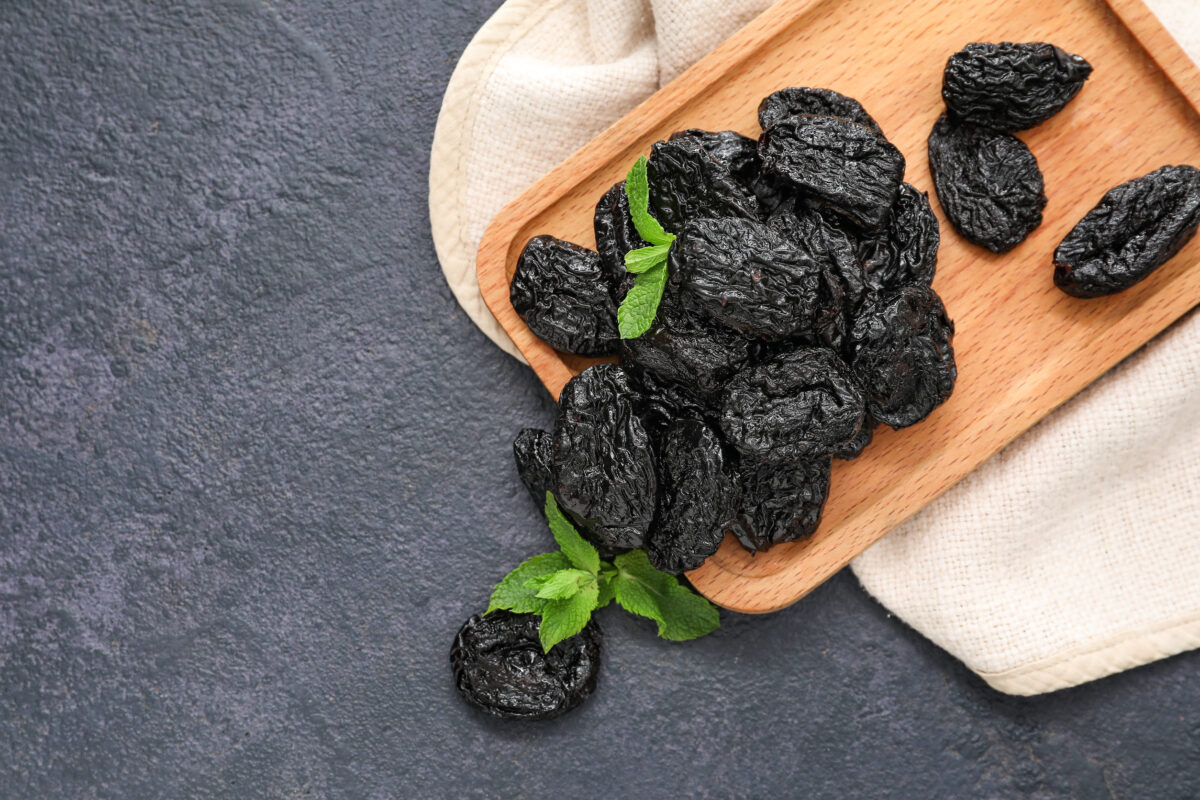
Tonka beans sound like a luxury chef’s secret. They smell like vanilla, almond, cinnamon, clove, and warm dessert all packed into one tiny wrinkled seed. In fine-dining circles outside the U.S., chefs have used them to perfume custards, ice cream, pastries, and cocktails. In the United States, though, tonka beans are off the table as a food additive because they contain coumarin. Federal regulations state that food containing added coumarin, including coumarin from tonka beans or tonka extract, is considered adulterated.
The catch is that coumarin also occurs naturally in some foods, including cinnamon and certain fruits. That does not mean those foods are banned. The issue is the addition of coumarin, especially in concentrated forms. Tonka beans show how dosage and intent can change everything in food law. A trace compound inside a normal food is one thing. Shaving a banned seed over dessert for drama is another. The aroma may be romantic, but U.S. regulators have treated the risk as too serious for restaurant theatrics.
Livestock lungs
Livestock lungs are not a chemical additive, but they still appear on the banned list for use in human food in the United States. The rule is blunt: livestock lungs cannot be used for human consumption. That one sentence has had a surprisingly big culinary impact, especially for traditional Scottish haggis. Classic haggis often includes sheep’s lung, so the traditional version cannot be legally imported or produced in the U.S. with that ingredient.
The concern centers on food safety and inspection. Lungs are spongy organs, and during slaughter, they can become contaminated in ways that make them difficult to clean and verify as safe. Unlike a muscle cut that can be trimmed, washed, inspected, and cooked with more confidence, lungs present a messier risk. American versions of haggis usually leave them out, creating a workaround for curious eaters. It may disappoint purists, but it keeps a complicated organ meat out of the mainstream food supply.
Rhodamine B
Rhodamine B is the kind of ingredient that sounds like it belongs in a lab, not a lunch. That is because it does. It is a bright synthetic dye used in industrial and technical settings, and it has appeared illegally in foods in some parts of the world because it creates a powerful pink or red color cheaply. Research literature has described Rhodamine B as an illegal food colorant and noted its potential carcinogenic concerns.
The U.S. system requires color additives used in FDA-regulated products to be authorized for their intended use, including imported products. That matters because Rhodamine B has no business being used to make candy, sauces, spices, or desserts look more exciting. It is a shortcut ingredient, the kind that turns “bright and pretty” into “absolutely not.” Any food that needs an industrial dye to catch attention is already telling on itself.
Borax
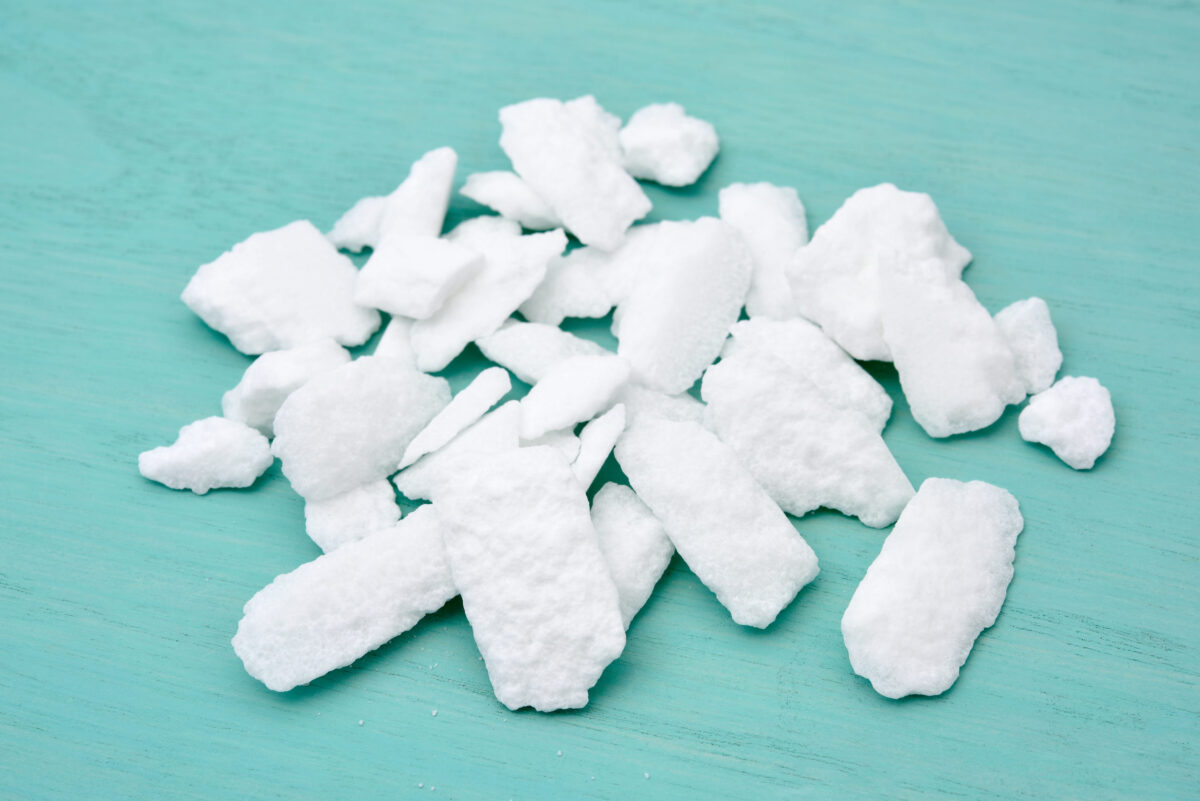
Borax has had a strange journey. It has been used in cleaning products, laundry boosters, pest control, cosmetics, and industrial processes. Historically, it also appeared in food preservation experiments during the era before modern food safety laws had real muscle. Today, borax is not something cooks can add to food casually. U.S. rules do recognize borax or boric acid for narrow food-contact uses such as adhesives, sizes, and coatings in paper and paperboard packaging, under conditions where they would not reasonably be expected to migrate into food.
That distinction is important. An indirect packaging use is not the same as sprinkling borax into noodles, meat, or sweets. Poison Control warns that borates can be toxic when swallowed in significant amounts, with possible symptoms such as nausea, vomiting, abdominal pain, diarrhea, and more serious effects in severe cases. Borax belongs in the utility closet, not the mixing bowl. Its food history is a reminder that preservation at any cost is not progress.
Conclusion
Banned ingredients reveal the uncomfortable truth about food history: many products once looked normal simply because the risks were not fully understood, not because they were safe. Artificial trans fats make snacks last longer. Red dyes made treats brighter. Safrole gave root beer its old-school kick. Tonka beans smelled like luxury, livestock lungs carried tradition, Rhodamine B delivered shocking color, and borax promised preservation. Each one had a reason to enter the kitchen, but each also gave regulators a reason to push back.
The good news is that food rules are not frozen in time. They change as science improves, testing becomes sharper, and consumers demand better answers. That does not mean every unfamiliar ingredient is dangerous, nor does it mean every natural ingredient is safe. It means the food supply carries a long memory. Some banned ingredients are gone because the system finally learned the hard way. The smartest kitchen is not the one chasing every old trick. It is the one who knows which tricks should stay buried.