7 Boomer Grocery Habits Gen Z Has Questions About
A grocery trip can test family patience long before anyone reaches the checkout. One shopper wants to compare three pasta sauce brands. Another has dinner planned, a phone ready to pay, and no desire to spend Saturday discussing tomatoes.
Put those shoppers together, and ordinary routines can start looking like personal provocations. Yet familiar Boomer-versus-Gen Z jokes often confuse different preferences with bad manners.
Research supports some differences in technology use and payment habits. The rest is everyday supermarket comedy. These seven habits capture that friction without pretending everyone born in the same decades shops the same way.
Giving Every Price Tag a Full Investigation
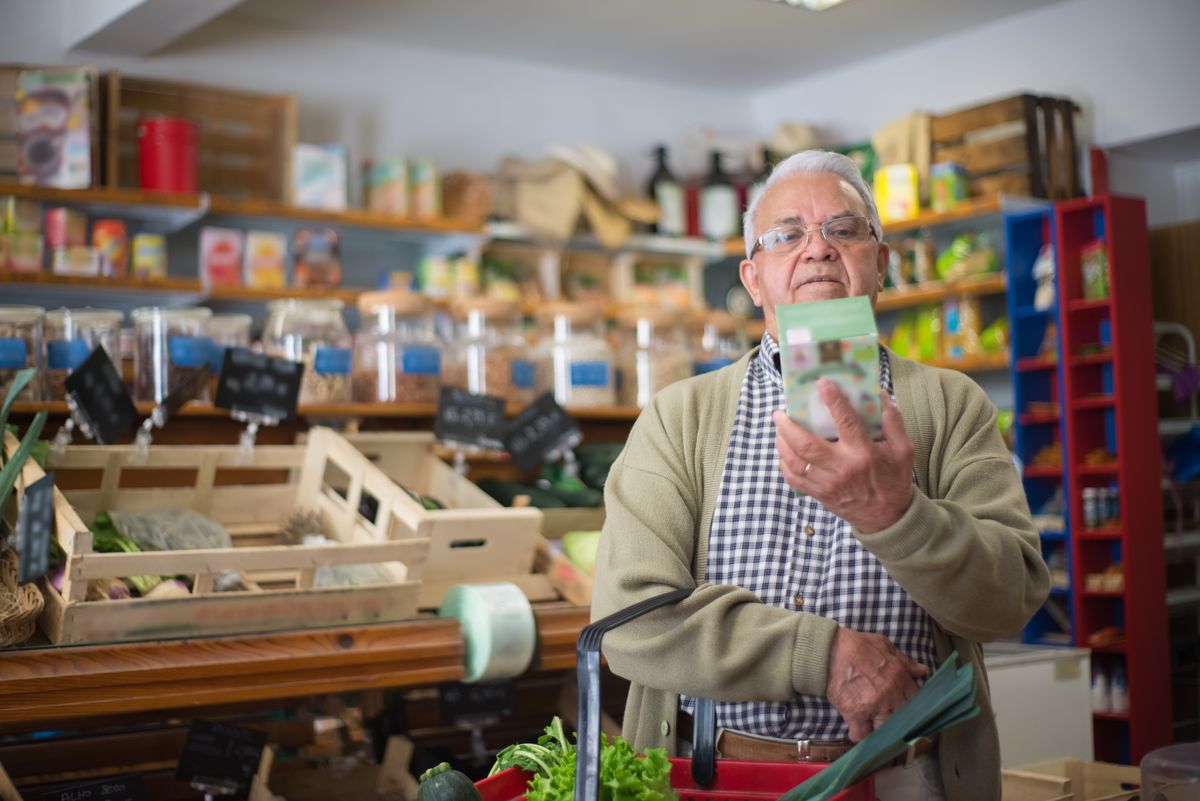
Two jars come off the shelf. Package sizes get compared. A third contender enters the discussion when a younger companion thinks the decision is settled.
The delay can feel excessive when dinner is already running late. But careful comparison serves a clear purpose: keeping the bill manageable.
Progressive Grocer’s 2026 research found that 77% of respondents prioritized price when choosing a grocery store. That concern stretches across generations.
There is no evidence here that Boomers uniquely overthink pasta sauce. The impatient shopper may have a different budget, schedule, or tolerance for calculating cents per ounce beside the canned tomatoes.
Trusting the Paper List
A handwritten list has its own familiar rituals: unfolding it, finding the pen, and deciding whether that mysterious word means pears or peas.
For someone used to updating a shared list on their phone, paper can seem awkward. FMI’s 2026 research found nine in 10 Gen Z grocery shoppers used at least one digital planning tool.
Those tools included retailer apps, search engines, social media, and AI. The finding does not establish that everyone uses a shopping-list app.
And paper has advantages. It needs no signal, never disappears beneath notifications, and remains readable when the phone battery gives up near frozen foods.
Searching for the Last Few Coins
The total appears, the wallet opens, and the search begins for the coins that will make everything exact.
To someone holding a phone ready to tap, those seconds can feel remarkably long. To the person paying, using loose change may feel perfectly sensible.
The Federal Reserve’s 2026 report found adults 55 and older averaged 10 monthly cash payments in 2025, compared with two among adults younger than 25.
These age groups do not precisely match Boomers and Gen Z, and the figures cover all payments. They demonstrate different cash habits, rather than proving older shoppers routinely hold up grocery lines.
Preferring the Trip to the Delivery
Suggest ordering groceries online, and an older relative might already be reaching for reusable bags. They want to choose the bananas themselves.
A younger shopper may see the same outing as another task that could disappear with a few taps. Neither approach is automatically easier for everyone.
FMI’s 2026 research found nearly half of Gen Z shoppers liked or loved grocery shopping.The generation supposedly desperate to escape the supermarket is hardly united on that point.
Shopping in person can offer control over substitutions and produce selection. Ordering online can save travel and effort. The disagreement often comes down to which inconvenience feels more manageable.
Producing an Envelope of Coupons
A particular checkout tension arises when a coupon appears after the matching item has vanished into a bag.
A phone-first shopper may wonder why the discount needs paperwork. Someone who clips coupons may wonder why saving money now requires another account.
FMI reported in 2024 that 50% of grocery shoppers used digital coupons, while 37% used physical ones. Those figures describe shoppers overall.
Older shoppers also use digital discounts. Inmar research reported by Grocery Dive in 2021 found 58% of surveyed Boomers actively used digital coupons when deciding what to buy. The shared goal is savings. The argument concerns the equipment.
Leaving the Cart Across the Aisle
A cart sits diagonally beside the crackers while its owner studies the options. Behind it, someone attempts a sideways squeeze worthy of a crowded airplane.
This is an etiquette problem, and the cited research does not establish it as a Boomer trait. Still, it becomes easy material for generational teasing when one shopper wants time to browse, and another wants a clear path.
The fair complaint concerns the blocked aisle. A younger shopper checking a product review can create the same obstacle. Moving the cart aside solves more than assigning blame by birth year. Everyone deserves space to reach the crackers.
Choosing a Cashier and a Conversation
Self-checkout is available, but a shopper prefers a staffed register. A friendly exchange follows, while an impatient companion mentally checks the parking meter. NCR Voyix’s 2025 survey found 63% of respondents aged 18 to 29 preferred self-checkout.
Speed was a leading attraction among shoppers who preferred it. That supports a checkout preference, not the assumption that Boomers talk excessively or Gen Z dislikes human contact.
For one shopper, friendly service improves an ordinary errand. For another, finishing quickly matters most. A shopping routine usually makes more sense once you understand the small problem it helps that person solve.
The supermarket works better when both leave room for each other. Keep carts clear, prepare payment when possible, and let someone enjoy a brief conversation. Everyone still needs milk, dinner, and a little patience.