7 Breakfast Meats That Used to Be in Every Grocery Store
Breakfast in many American homes once looked very different than it does today. Before yogurt cups, protein bars and coffee on the go, families sat down to big morning meals with eggs, toast and some kind of meat sizzling in the pan. Grocery store meat cases were full of breakfast options that many younger shoppers have never seen.
Some of these breakfast meats are still around, but they are harder to find outside certain regions or specialty markets. Others have simply faded as tastes changed and busy families switched to faster breakfasts. Here are some breakfast meats that used to be in nearly every grocery store, along with the stories behind them.
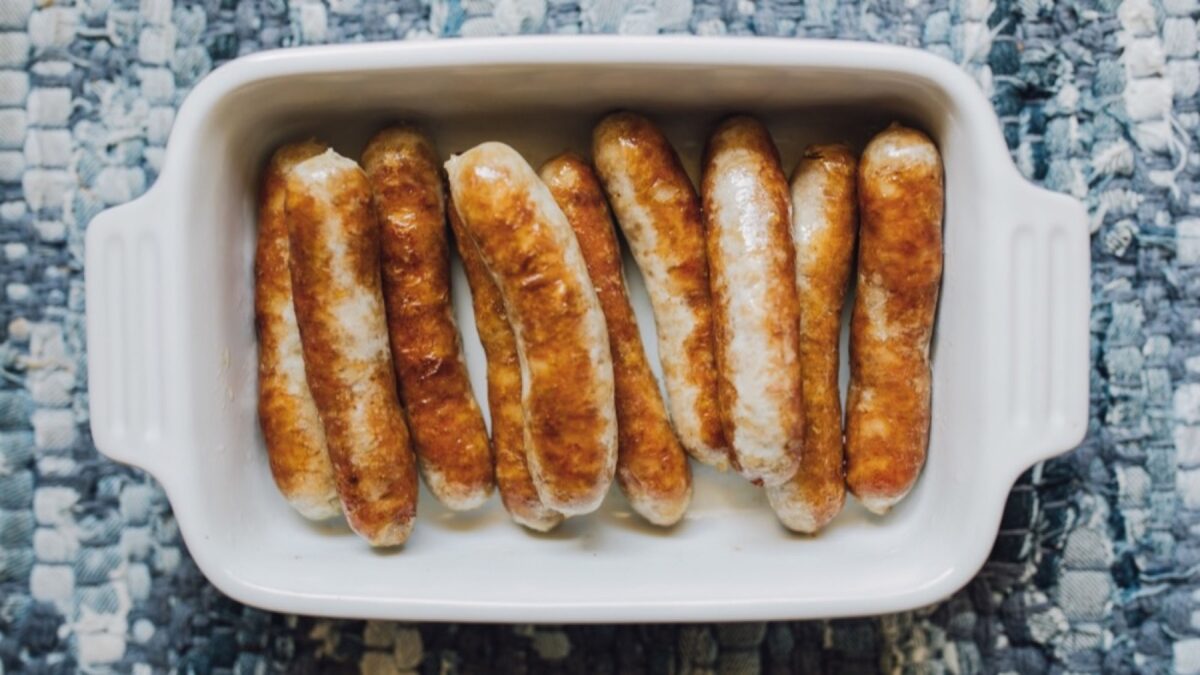
1. Scrapple
Scrapple was a breakfast favorite in Pennsylvania, Delaware, Maryland and other parts of the Mid-Atlantic. It is made from pork scraps and trimmings mixed with cornmeal, flour and spices, then formed into a loaf. Slices are fried until crispy on the outside and soft on the inside.
The dish was brought to America by German immigrants, often known as the Pennsylvania Dutch, as the scrapple history explains. It was a way to use every part of the pig and avoid waste. While scrapple is still popular in its home region, many people in other parts of the country have never tried it. Fans often eat it with ketchup, syrup or apple butter.
2. Fried Bologna
Fried bologna was a cheap and filling breakfast meat in many working-class homes. Thick slices of bologna were fried in a skillet until the edges curled up and browned. Many cooks cut a small slit in the slice to keep it from puffing up in the middle.
Fried bologna was often served with eggs or tucked into a sandwich with mustard. It was especially popular in the South and Appalachia. While bologna is still sold everywhere, fewer families eat it for breakfast today. For many older Americans, the smell of fried bologna brings back strong memories of childhood mornings.
3. Country Ham Slices
Salty, dry-cured country ham was a breakfast staple in many Southern homes. Thin slices were fried in a skillet and often served with biscuits and red-eye gravy, made from the ham drippings and coffee. The flavor was intense and salty, unlike the sweeter ham found in most supermarkets today.
Country ham is still made in states like Kentucky, Virginia, Tennessee and North Carolina. However, many grocery stores outside the South rarely carry it. Younger shoppers may be more familiar with spiral-sliced holiday hams than with the traditional dry-cured version. For many Southerners, though, country ham and biscuits remain a beloved breakfast.
4. Chipped Beef
Chipped beef, also known as dried beef, was often sold in small glass jars or packages. It was thinly sliced, salted and dried, giving it a long shelf life. The most famous dish made with it was creamed chipped beef on toast, a hearty breakfast that was common in homes and diners.
Creamed chipped beef was also a staple in the U.S. military, where it earned a rather rude nickname among soldiers. Many veterans remember eating it regularly during their service, as the creamed chipped beef story shows. While jarred dried beef is still sold, it is much less common than it once was. Many people today have never tried it, although some diners still serve it as a nostalgic breakfast.
5. Corned Beef Hash in a Can
Canned corned beef hash was a quick breakfast option in many homes. It came in a can, ready to be fried in a skillet until crispy. Many families topped it with a fried egg for a filling morning meal.
Brands like Hormel and Libby’s made canned corned beef hash popular during the mid-20th century. It was especially useful for busy families and for camping trips. Canned hash is still sold today, but it has lost some of its place on the breakfast table as fresh and frozen options have grown. For many older Americans, it remains a comforting taste of home.
6. Pork Roll
Pork roll, also called Taylor ham in parts of New Jersey, is a processed pork product that is sliced and fried. It has a slightly tangy, salty flavor and is famous in the Garden State. The classic way to eat it is on a hard roll with egg and cheese.
Pork roll was created in New Jersey in the 1800s and remains a regional favorite. The name debate between “pork roll” and “Taylor ham” is a long-running source of friendly arguments among New Jersey residents. Outside the region, many grocery stores do not carry it. For people who grew up with it, though, a pork roll, egg and cheese sandwich is an essential part of breakfast.
7. Liver Mush
Liver mush is a Southern breakfast meat made from pork liver, cornmeal and spices. It is formed into a loaf, sliced and fried until crispy. The dish is especially popular in western North Carolina, where some towns hold festivals in its honor.
Liver mush is similar to scrapple but has a stronger flavor because of the liver. Many families eat it with eggs, grits or in a sandwich with mustard or grape jelly. Outside North Carolina and a few nearby areas, it is rarely found in grocery stores. Still, it has loyal fans who say nothing beats a crispy slice of liver mush in the morning.
Where to Find Them Today
Shoppers who want to try these breakfast meats may need to look beyond the big national chains. Regional grocery stores, butcher shops and farmers markets often carry local favorites like scrapple, pork roll and liver mush. Some small producers also sell online and ship across the country.
Many families also keep these traditions alive by buying them when they visit their home region and bringing them back. For people who grew up with them, the taste of a crispy slice of scrapple or a fried bologna sandwich is worth the extra effort.
Why These Breakfast Meats Faded
Several factors led to the decline of these breakfast meats. Busy schedules made it harder for families to cook big breakfasts every morning. Many people also began choosing lighter breakfasts or quick options like cereal and yogurt. Regional foods that were once common in local stores became harder to find as national brands took over.
Still, many of these meats remain beloved in their home regions. Some are enjoying a comeback as people search for nostalgic and regional foods. For older Americans, these breakfast meats bring back memories of family mornings, small-town diners and Grandma’s skillet. They are a reminder of a time when breakfast was a hearty, sit-down meal, much like the breakfast favorites many families remember from later decades too.