7 Compliments Women Over 60 Say They Rarely Hear Anymore
Many women say there’s a moment, somewhere after 50 or 60, when they realize people have stopped noticing them in the same way. Strangers don’t hold eye contact as long, coworkers talk over them in meetings, and the compliments that used to come easily seem to dry up. It’s not always dramatic, but it’s noticeable.
Women over 60 are quick to say they don’t need constant praise. Most of them are confident, accomplished and comfortable in their own skin. Still, a kind word can make anyone’s day, and there are certain compliments many older women say they almost never hear anymore. Here are seven of them, and why they still matter.
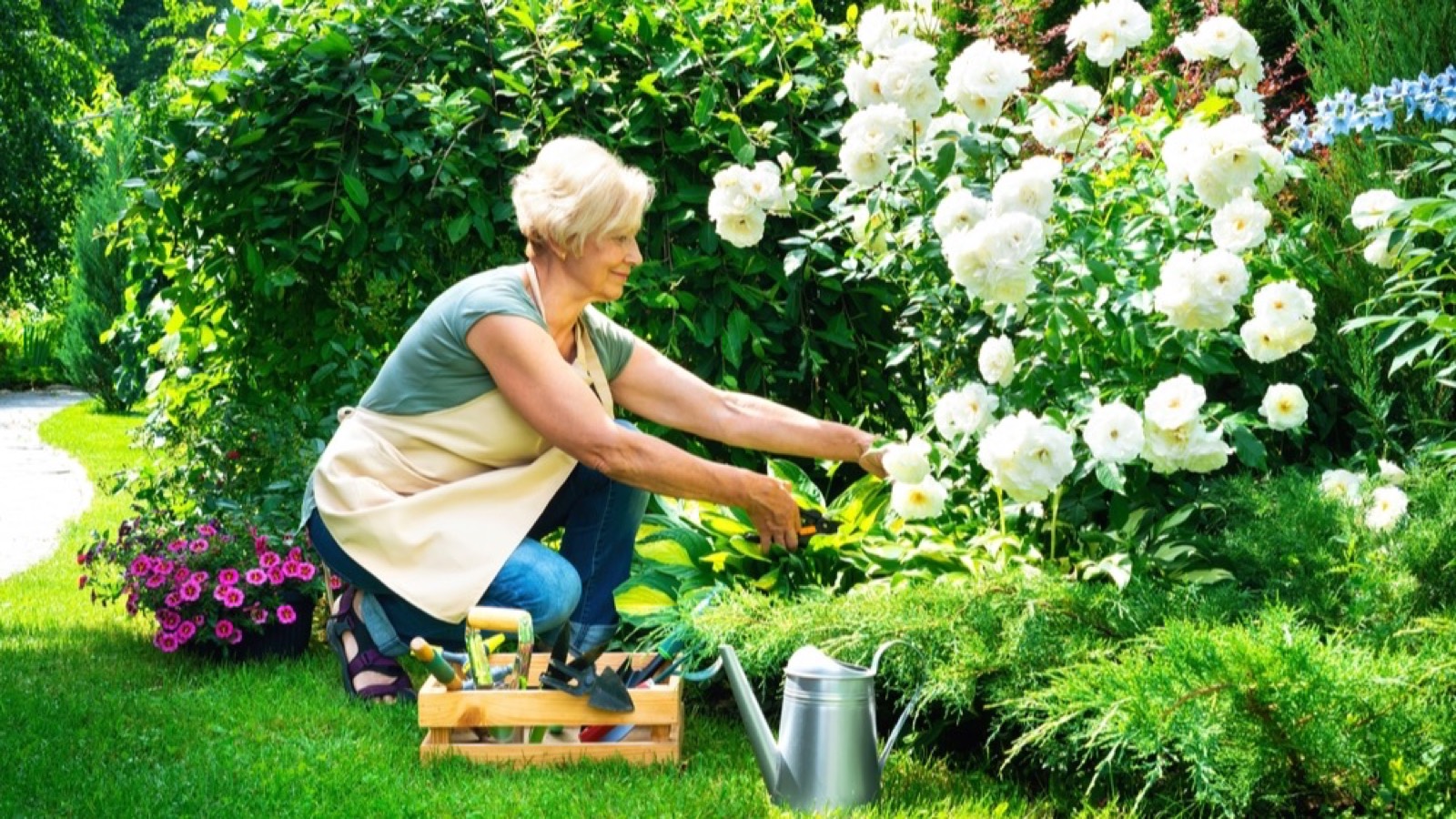
1. “You Look Beautiful”
Many women over 60 say they hear “You look good for your age” far more often than a simple “You look beautiful.” The first one, while well-meant, comes with an invisible asterisk. It suggests that looking nice at 65 is a surprise rather than something to celebrate.
Women say they’d much rather hear the compliment without the qualifier. They put effort into their appearance, whether that’s a favorite lipstick, a new haircut or a dress that makes them feel confident. Being called beautiful, plain and simple, still lands just as sweetly as it did at 25.
2. “That’s a Great Idea”
Women who are still working or volunteering often say their ideas get overlooked. They’ll suggest something in a meeting, only to hear it praised later when someone younger says the same thing. Over time, that can make them feel like their experience doesn’t count.
Hearing “That’s a great idea” acknowledges both their thinking and their value. Many women over 60 have decades of knowledge to share, from careers, raising families and running households. A little recognition reminds them that their voices still matter.
3. “You’re So Funny”
Plenty of women over 60 are hilarious, with sharp wit and great stories built over a lifetime. Yet they say people rarely tell them so. Humor tends to be noticed and praised more in younger people.
Women say that being seen as funny makes them feel like full, vibrant people rather than someone’s quiet grandmother. They love making others laugh and appreciate when someone laughs back. A simple “You crack me up” can brighten an entire afternoon.
4. “I Love Your Style”
Many women over 60 have a clear sense of style, whether it’s classic, colorful or a little bit daring. They’ve had years to figure out what looks good on them. But they say compliments on their clothing, jewelry or hair have become rare.
Some feel that society assumes older women stop caring about fashion. In reality, many love putting together an outfit and wearing pieces they’ve collected over the years. Noticing a great scarf or a bold pair of earrings tells them their effort is seen.
5. “Thank You for Everything You Do”
Women in their 60s and beyond are often still doing an enormous amount for others. They babysit grandchildren, care for aging parents or spouses, host holidays, volunteer and help their grown children in countless ways. Much of that work goes unnoticed and unthanked.
Hearing a sincere thank-you can mean more than any other compliment. It acknowledges the time and love they pour into their families and communities. Many women say they’d trade every birthday gift for a heartfelt note of appreciation.
6. “You Seem So Happy”
Many women say they feel more at peace in their 60s than at any other time in their lives. They’ve let go of old worries, stopped trying to please everyone and learned what truly matters to them. Yet people rarely comment on that happiness.
Being told “You seem so happy” or “You have such a peaceful energy” feels like recognition of a hard-won state of mind. It shows that others notice not just how they look, but how they carry themselves. For women who worked hard to get there, it’s a meaningful compliment.
7. “I’d Love Your Advice”
Women over 60 have lived through marriages, careers, child-rearing, loss and reinvention. They have a wealth of wisdom to share, but they often say younger people don’t ask for it. In a world that values what’s new, experience can be overlooked.
When someone asks for their advice, it tells them their life experience has value. Many older women say they’re happy to share what they’ve learned, as long as someone actually wants to hear it. Being asked is a quiet but powerful compliment.
How to Give a Compliment That Lands
The best compliments are specific and sincere. Instead of a quick “You look nice,” try noticing something particular, like the color of her sweater, the way she handled a tough situation or a story she told that made everyone laugh. Specific praise shows that you were actually paying attention.
It also helps to skip any comparison to age. Phrases like “for a woman your age” or “you don’t look 65” may be meant kindly, but they often sting. A compliment that stands on its own, without a qualifier, tends to mean much more.
Timing matters too. A compliment given in front of others, like praising her idea at a family dinner or in a meeting, can be especially meaningful. It shows that you value her not just privately, but publicly, where it counts.
Why These Compliments Matter
Compliments are more than flattery. They help people feel seen, valued and connected to others. For older women who sometimes feel overlooked, a kind word can be a reminder that they’re still an important part of the world around them.
Many women over 60 have learned to compliment themselves and to know their own worth, much like the women who know their worth and stop waiting for outside approval. Still, hearing it from someone else feels good. It’s a small gift that costs nothing to give.
If there’s a woman over 60 in your life, consider giving her one of these compliments this week. Tell your mother her outfit looks great, thank your grandmother for everything she does or ask an older coworker for her advice. You might be surprised how much it means to her.
Older women also appreciate being included and asked for their opinions, whether it’s about a family decision, a recipe or a book. Feeling valued doesn’t always require words of praise. Sometimes it simply means being invited into the conversation and treated as someone whose experience matters. That kind of respect can be the greatest compliment of all.