7 Discontinued Canned Soups Boomers Remember From Childhood
For many boomers, lunch on a cold day meant a can of soup, a pot on the stove and a stack of saltine crackers. Mom would open the can, add a can of water or milk, and in a few minutes, a steaming bowl was on the table. Campbell’s red-and-white label was as familiar as the family car.
Most of the classic flavors are still around. Chicken noodle, tomato and cream of mushroom have barely changed in decades. But some of the soups that filled pantry shelves in the 1950s, 1960s and 1970s have quietly disappeared, and people who grew up with them still go looking for them in the soup aisle.
Some faded away without any announcement, while others were dropped because younger shoppers weren’t buying them. Here are seven discontinued canned soups that many boomers remember from childhood, and what happened to them.
1. Campbell’s Pepper Pot
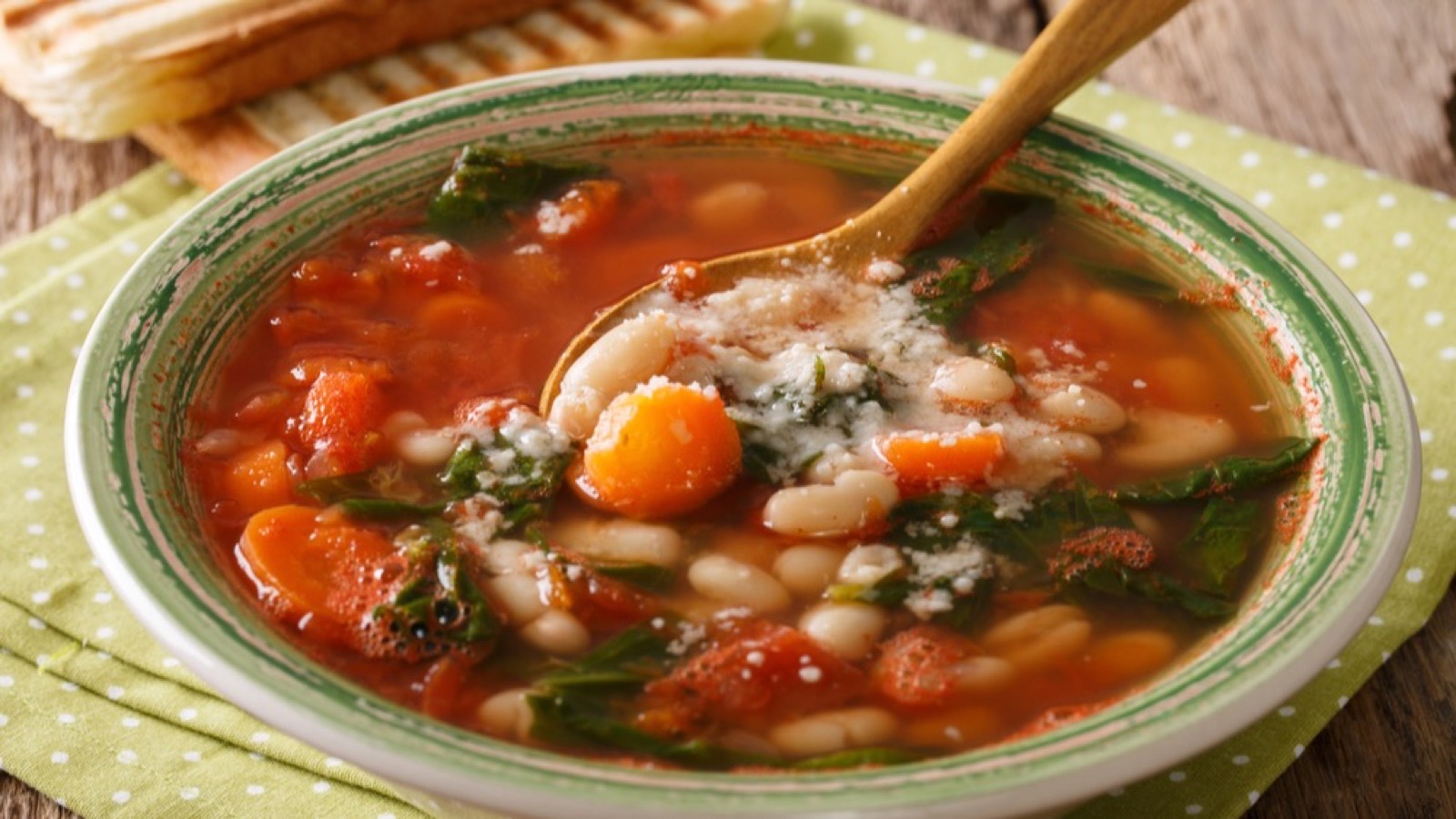
Pepper Pot was one of Campbell’s oldest flavors, first sold in 1899. The thick, peppery soup was made with tripe, potatoes, carrots and onions, and it carried the name of a stew with deep roots in Philadelphia, where Campbell’s is based in nearby Camden, New Jersey.
The soup stayed on shelves for more than a century before Campbell’s dropped it around 2010 or 2011, with declining sales cited as the reason, according to The Takeout. Tripe isn’t a common ingredient for most younger shoppers, which likely sealed its fate. Older fans, especially in the Philadelphia area, still mention it with real fondness.
2. Campbell’s Scotch Broth
Scotch Broth was a hearty soup made with lamb or mutton, barley and vegetables like carrots, celery and turnips. It was a filling, old-world style soup that reminded many families of their British or Scottish roots, and it was especially popular in the colder months.
Campbell’s stopped making it for the U.S. market around 2011 without a public announcement, and customer service later confirmed it was discontinued. Fans in Canada and elsewhere were so upset that Campbell’s Canada even posted a recipe so people could make it at home. For many people, it was the soup Grandpa always chose.
3. Campbell’s Oyster Stew
Oyster stew was a creamy soup with tender oysters, and it was a holiday tradition in many homes. In some families, especially in the Midwest and along the East Coast, oyster stew on Christmas Eve was as important as the tree. The canned version made that tradition easy for families who lived far from the coast.
According to Chowhound, the soup was recalled in June 2012 over concerns about the oysters used, and it was discontinued that September. Campbell’s never gave a public reason for ending it. Fans who make oyster stew from scratch today often say they’re recreating the flavor they remember from the can.
4. Campbell’s Green Pea
Many boomers remember Green Pea soup as a mild, meatless option made from split peas. It was smooth, thick and comforting, and it was a favorite on Fridays in Catholic households that avoided meat. A swirl of milk or a handful of croutons made it feel like a real meal.
The soup lasted well into the 21st century before Campbell’s discontinued it, leaving shoppers with split pea varieties that include ham or bacon. That change frustrated vegetarians and anyone who simply preferred the original. When fans asked, Campbell’s Canada suggested its Habitant pea soup as a substitute, though some noted it isn’t meatless either.
5. Campbell’s Ox Tail
Oxtail soup was once a common sight on American grocery shelves. Campbell’s version had broth, carrots, potatoes, barley, tomatoes and pieces of oxtail, and a 1922 advertisement sold it for 12 cents a can, describing the tails as among the finest the market offered.
Nobody seems to know exactly when it disappeared, but shoppers have been searching for it for years. Oxtail has actually become a pricey restaurant ingredient in recent times, which is ironic considering it was once considered a thrifty cut. For boomers whose parents bought it, the canned soup remains a fond memory.
6. Campbell’s Hot Dog Bean
This flavor sounds like it was invented by a kid, and kids loved it. Campbell’s Hot Dog Bean combined tender beans with little slices of frankfurter in a hearty broth, and it was the kind of soup that felt like a treat rather than a vegetable you had to finish.
Hot Dog Bean even made it into pop art. Andy Warhol, whose famous soup can paintings put Campbell’s in museums, featured the flavor in a 1969 print series. The soup itself quietly left the market at some point, and many people only realize it’s gone when they go looking for it.
7. Chunky Chicken Mushroom Chowder
Campbell’s Chunky line launched in the 1970s, marketed as soup hearty enough to be a meal, and its commercials featuring football players and their moms became famous. One of the longest-running flavors was Chicken Mushroom Chowder, a creamy, thick soup that had been part of the line since the mid-1970s.
It disappeared in 2023, ending a run of nearly five decades. For many people who were teenagers or young adults when Chunky arrived, it was the soup they ate after school or packed in a thermos for work. Its loss hit fans who had bought it for most of their lives.
Chunky was part of a bigger shift in the soup aisle. Ready-to-eat soups that didn’t need water added became more popular with each passing decade, and condensed soups started to feel old-fashioned to some younger shoppers. Many of the flavors that disappeared were casualties of that change in how Americans ate lunch.
The Soups That Shaped a Generation
Discontinued soups are a reminder of how much American kitchens have changed. Many of these flavors relied on ingredients like tripe, mutton and oxtail that were common in an earlier generation’s cooking but have fallen out of favor. Others simply couldn’t compete as shoppers moved toward new flavors and fresh options.
Some flavors are even older. Campbell’s Mock Turtle soup, made with beef rather than actual turtle, was gone by about 1960, so only the oldest boomers might remember seeing it. If you miss any of these, you’re not alone. They belong to a long list of nostalgic foods and boomer favorites that live on mainly in memories and handwritten recipes.