7 Food Traditions That Mothers and Daughters Often Have Different Opinions About
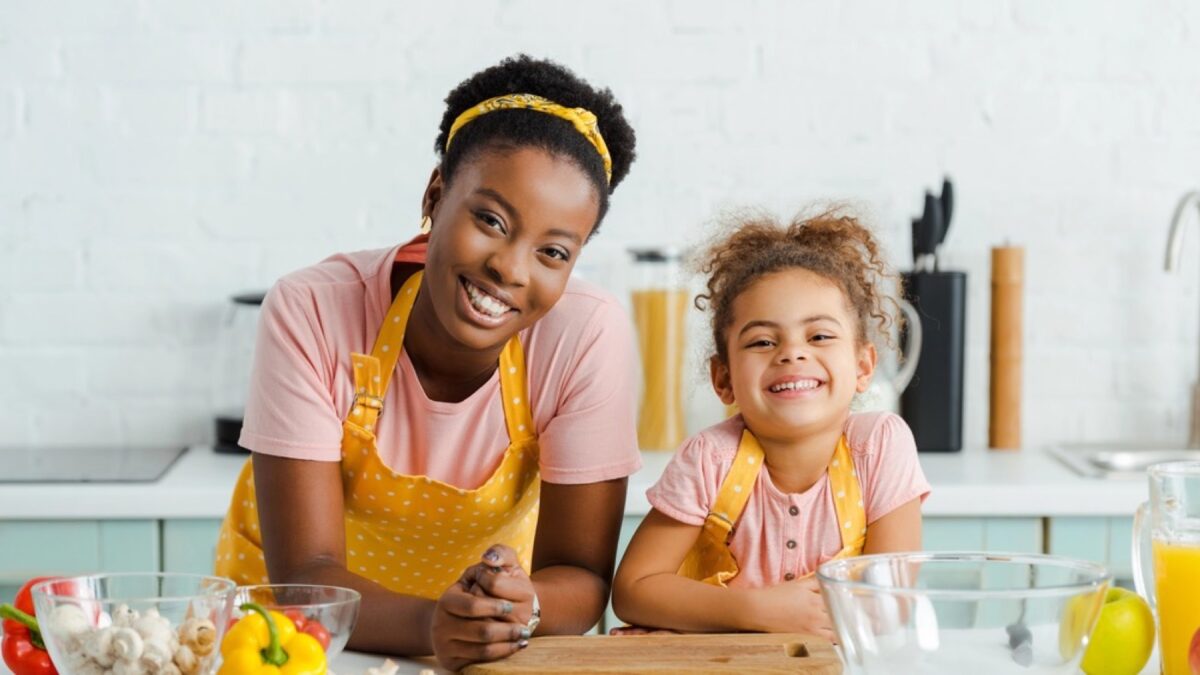
The kitchen has always been a special place between mothers and daughters. It is where recipes are handed down, family stories are told, and many girls first learn how to take care of a home. But it is also where some of the most stubborn disagreements between the generations quietly play out.
A mother who raised her family in the 1970s or 1980s often has very clear ideas about how meals should be prepared and served. Her daughter, raising children in a busier and more digital world, may see things differently. Neither one is wrong, exactly, but their opinions can collide at the dinner table, especially around the holidays.
These seven food traditions are some of the most common sources of friendly, and sometimes not so friendly, disagreement between mothers and daughters. If you have ever had one of these conversations, you are far from alone.
1. Who Hosts the Holidays
For decades, many mothers proudly hosted Thanksgiving and Christmas dinner every single year. It was their house, their table, and their recipes. Grown children came home, and that was simply how things worked.
As daughters build their own families, many want to start hosting themselves, or at least share the job. Mothers can feel hurt or pushed aside when the holiday moves to a new kitchen. Daughters, meanwhile, often feel they are being told they are not ready. It can take a few awkward years, and plenty of patience, before a family finds a new rhythm that honors both.
2. Homemade Versus Store-Bought Pies and Sides
Many mothers grew up believing that a holiday dessert had to be made from scratch. Rolling out pie crust, baking rolls, and making cranberry sauce from fresh berries was a matter of pride. A store-bought pie on the table could feel like cutting corners.
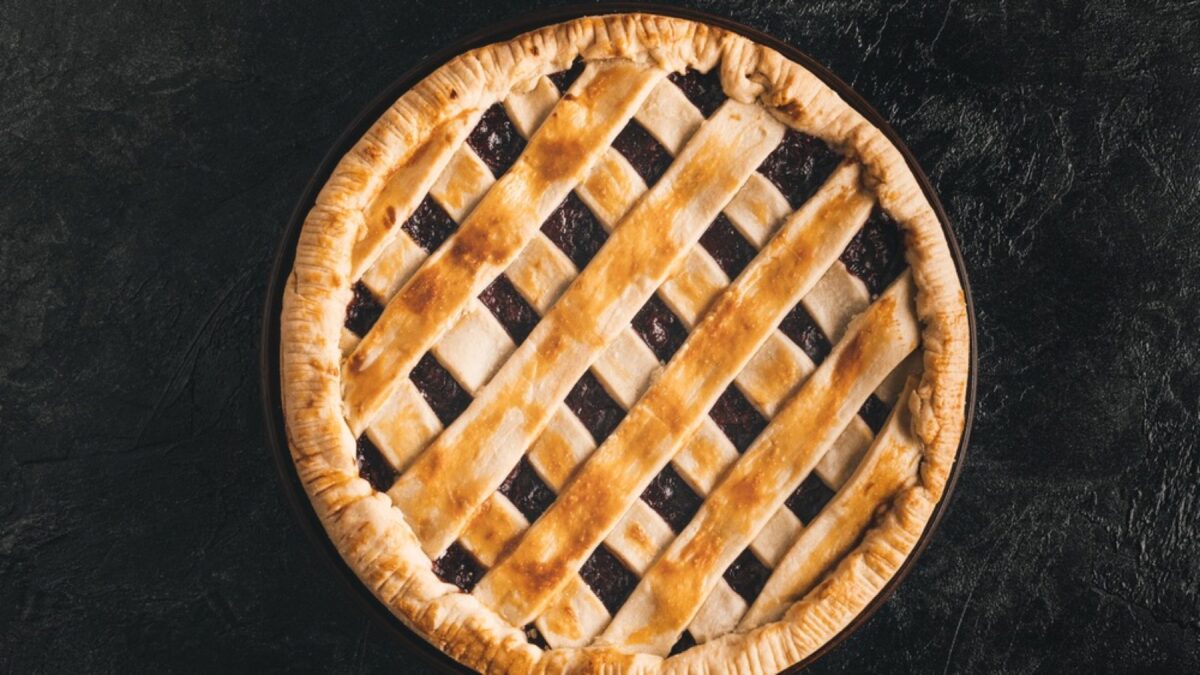
Daughters often juggle full-time work and children, and many happily buy a bakery pie or a tub of mashed potatoes. To them, the point is spending time together, not proving anything in the kitchen. Some mothers have come around to this view, while others still quietly slip a homemade pie onto the counter “just in case.”
3. Eating at the Table Every Night
In many homes, the family dinner table was close to sacred. Everyone sat down at the same time, the television stayed off, and nobody left until they were excused. Mothers who grew up this way often see it as the heart of family life.
Today’s daughters may still value family meals, but schedules make them harder to pull off. Sports practices, late work shifts, and phones at the table have changed the routine in many households. Mothers sometimes worry that something important is being lost, while daughters argue that a few shared meals a week, done well, still count.
4. The Clean Plate Rule
Many mothers and grandmothers raised their children with the “clean plate” rule. You ate everything you were served, and leaving food behind was considered wasteful and rude. This idea goes back to the World Wars, when Americans were encouraged to waste less food at home.
Many daughters now take a gentler approach with their own children. They worry that forcing kids to finish everything may teach them to ignore their own hunger and fullness cues. Mothers sometimes see this as spoiling picky eaters, while daughters see it as building a healthier relationship with food. Both sides share the same goal of raising children who eat well.
5. Butter, Fat, and Diet Foods
Mothers who came of age in the 1980s and 1990s lived through the low-fat craze. Margarine replaced butter in many kitchens, fat-free cookies filled the pantry, and skim milk was the only acceptable choice. Many of those habits stuck around for decades.
Many daughters, influenced by newer nutrition advice and food trends, have gone back to butter, whole milk, and olive oil. They may question the processed diet foods their mothers relied on. Mothers can find this confusing after years of being told the opposite. The good news is that both generations can usually agree that home-cooked meals beat most packaged foods.
6. Sharing the Family Recipes
In some families, recipes are treated like treasures. A mother may keep her best dishes in her head, or guard a handwritten recipe card that she only shares with certain people. Some women even leave out an ingredient when they pass a recipe along.
Daughters often want those recipes written down, photographed, and saved for future generations. They may want to share them with friends or post them online. Mothers can feel protective of something that took a lifetime to perfect, while daughters worry that the recipes will be lost forever. For many families, recording a cooking session together is a happy compromise.
7. How to Feed the Grandchildren
When grandchildren arrive, food becomes a whole new area for disagreement. Many grandmothers love spoiling the little ones with cookies, candy, soda, and second helpings. To them, it is part of the joy of being a grandparent.
Daughters often have their own rules about sugar, snacks, and screen time during meals. When those rules are broken at Grandma’s house, tensions can rise quickly. The most successful families talk openly about expectations and let Grandma have a few special treats. That way, the children get the best of both worlds.
Where Some of These Traditions Came From
Many of the food habits mothers pass down were shaped by history. The idea of cleaning your plate, for example, became a national campaign during World War I, when the government asked families to waste less food so more could be sent to troops and allies overseas. The National Archives has preserved posters and materials from that effort, which encouraged Americans to conserve wheat, meat, and sugar at home.
Other traditions grew out of the Great Depression, when mothers learned to stretch every ingredient. Saving leftovers, cooking from scratch, and avoiding store-bought shortcuts were practical choices for women with very little money. Daughters who never lived through those hardships may not feel the same need to follow those rules, which is part of why opinions differ.
Understanding the history behind a tradition can make disagreements easier to handle. A mother who insists on homemade pie may be honoring her own mother’s sacrifices. A daughter who buys a bakery pie may be protecting precious time with her children. Both are acts of love, even if they look different. Many daughters are surprised to learn that they share more with their mothers than they realized, and remembering the things your mother said can be a good reminder of how much she gave. Even the strange Thanksgiving traditions families argue about every year usually start with someone trying to keep a memory alive.
Different Opinions, Same Love
Most of these disagreements come from the same place: a deep wish to take care of family. Mothers pass down what they learned because it worked for them, and daughters adapt those lessons to the lives they are living now.
The kitchen will probably always be a place where generations bump into one another. It is also a place where they can come together, laugh, and make new memories, which is the best tradition of all.