7 Foods People Over 70 Grew Up On and Still Eat Every Week
People over 70 grew up in the 1940s and 1950s, when many families had less money, fewer choices and a strong habit of making the most of what they had. The foods they ate as children were simple, filling and often homemade. Many of those meals have stayed with them for a lifetime.
Ask someone in their 70s or 80s what they eat in a typical week, and you’ll often hear about the same dishes their mothers made. Some say it’s habit, some say it’s comfort and some say nothing else tastes quite as good. Here are seven foods people over 70 commonly grew up on and still eat every week.
1. Oatmeal
Oatmeal was a breakfast staple in many homes during the 1940s and 1950s. It was cheap, filling and easy to make, and many mothers served it on cold mornings with milk, brown sugar or raisins. Brands like Quaker Oats were a fixture in American pantries.
Many people over 70 still start their day with a bowl of oatmeal. They often make it the same way their mothers did, cooked on the stove rather than in the microwave. For many, it’s a comforting routine that connects them to their childhood mornings.
2. Soup Made From Scratch
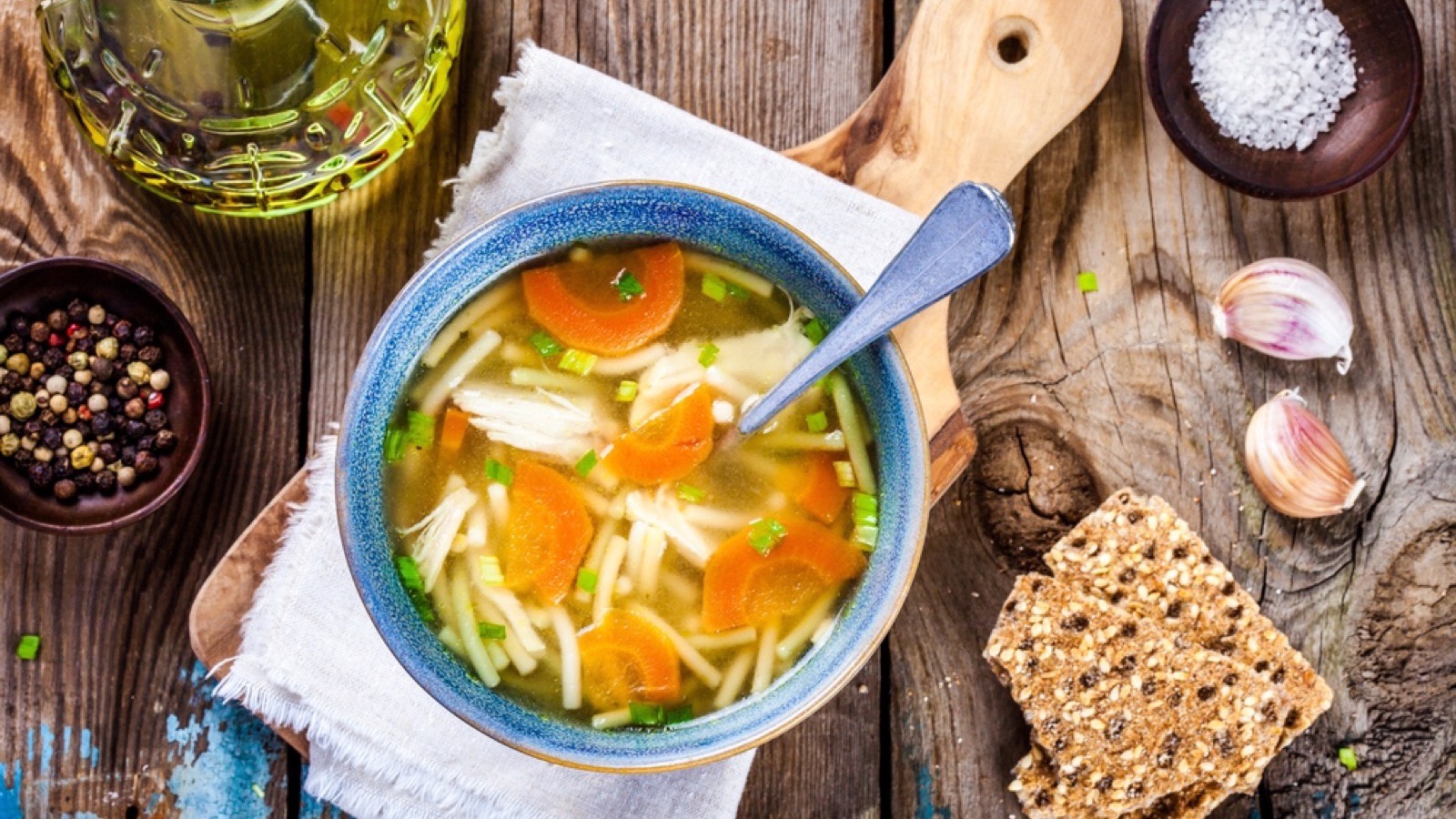
Homemade soup was a regular meal in many households, especially in winter. Mothers made vegetable soup, chicken soup, bean soup and potato soup from whatever was on hand. A pot of soup could stretch a small amount of meat to feed a whole family.
Many older adults still make a pot of soup every week, often using the same recipes they grew up with. They say it’s easy, economical and makes plenty of leftovers. Some freeze portions so they always have a homemade meal ready.
3. Meat and Potatoes
The classic American dinner of meat and potatoes was standard in many homes in the 1940s and 1950s. Pot roast, pork chops, meatloaf and fried chicken were often served with mashed or boiled potatoes and a vegetable.
People over 70 often still eat this kind of meal several times a week. They say it feels like a “real dinner” in a way that pasta or takeout doesn’t. Many keep cooking the same main dishes their mothers made, sometimes using family recipes passed down for generations.
4. Beans and Cornbread
In many parts of the country, especially the South and rural areas, beans and cornbread were an everyday meal. Pinto beans, navy beans or black-eyed peas were cooked with a ham hock or salt pork, and cornbread was baked in a cast-iron skillet.
Many people who grew up with this meal still make it every week. It’s inexpensive, filling and tied to strong family memories. Some say a pot of beans and a pan of cornbread is the ultimate comfort food, the kind of dish that appears on lists of poor people foods everyone ends up loving.
5. Eggs Cooked in Bacon Grease
Many people over 70 grew up eating eggs fried in bacon grease. Families saved bacon drippings in a can or jar near the stove and used them to cook eggs, potatoes and vegetables. Nothing was wasted.
Many older adults still eat eggs several times a week, and some still keep a jar of bacon grease by the stove. They say eggs simply taste better that way, and the habit is deeply rooted in their childhood kitchens. It’s a practice that younger generations often find surprising.
6. Tuna Sandwiches and Tuna Casserole
Canned tuna became a pantry staple in the mid-20th century, and many families ate it regularly. Tuna salad sandwiches were a common lunch, and tuna noodle casserole was a popular weeknight dinner.
People over 70 often still eat tuna sandwiches or casseroles every week. They’re quick, affordable and familiar. Many make tuna salad exactly the way their mothers did, with mayonnaise, celery and sweet pickle relish. It’s one of those dishes that fits right in with other casseroles that defined family dinners.
7. Homemade Bread and Biscuits
Many people over 70 grew up with homemade bread, rolls or biscuits on the table at nearly every meal. Mothers baked bread once or twice a week, and biscuits were often made fresh for breakfast or dinner.
Some older adults still bake bread or biscuits weekly, especially those who learned from their mothers. Others buy bakery bread but still prefer simple, old-fashioned loaves. For many, the smell of baking bread brings back memories of childhood.
Why These Foods Stick Around
Many people over 70 say they eat these foods out of habit and comfort. They grew up with them, they know how to make them and they enjoy them. Familiar meals also bring a sense of continuity in a world that has changed a lot since their childhood.
Cost plays a role too. Many of these foods are inexpensive, which appeals to people living on fixed incomes. Older adults often say they don’t see the need to spend more on trendy foods when the simple meals they grew up with are just as satisfying.
The Influence of Hard Times
Many people over 70 were raised by parents who lived through the Great Depression and World War II rationing. Those experiences shaped how families cooked and ate. Nothing was wasted, leftovers were always used and simple meals were valued.
Those lessons stuck. Many older adults still save bacon grease, reuse containers and make soup from leftover vegetables. Their eating habits reflect a lifetime of making the most of what they have. Food historians have documented how wartime rationing in the 1940s changed American cooking, and the National WWII Museum has written about how families adapted at home.
Sharing These Meals With the Grandkids
Many people over 70 love cooking these familiar dishes for their grandchildren. A pot of soup on a winter visit or a pan of biscuits on a Sunday morning becomes a way to share their childhood with a new generation. Grandkids often ask for these meals by name long after they’ve grown up.
A Taste of the Past
For people over 70, these weekly meals are more than food. They’re a connection to their parents, grandparents and childhood homes. Each bowl of soup or pan of cornbread brings back memories of family dinners from decades ago.
Younger family members can learn a lot from these traditions. Many grandchildren say they’ve come to love these simple meals after eating them at their grandparents’ tables. And for older adults, sharing these foods is a way of passing down a piece of family history.