7 Things Never to Do When Driving Alone on a Holiday Road Trip
Taking a holiday road trip alone can be a refreshing way to travel. You get to choose your departure time, play your favorite music, stop whenever you want, and enjoy the freedom of having no passengers to accommodate.
But solo driving also comes with extra responsibilities. There is nobody beside you to help check directions, watch changing road conditions, or remind you to take a break.
Whether you are heading home for Thanksgiving, visiting family for Christmas, or planning a winter getaway, a little preparation can make the journey more manageable. Before putting your bags in the trunk and hitting the highway, here are seven mistakes worth avoiding when driving alone.
Never Leave Without Planning Your Route
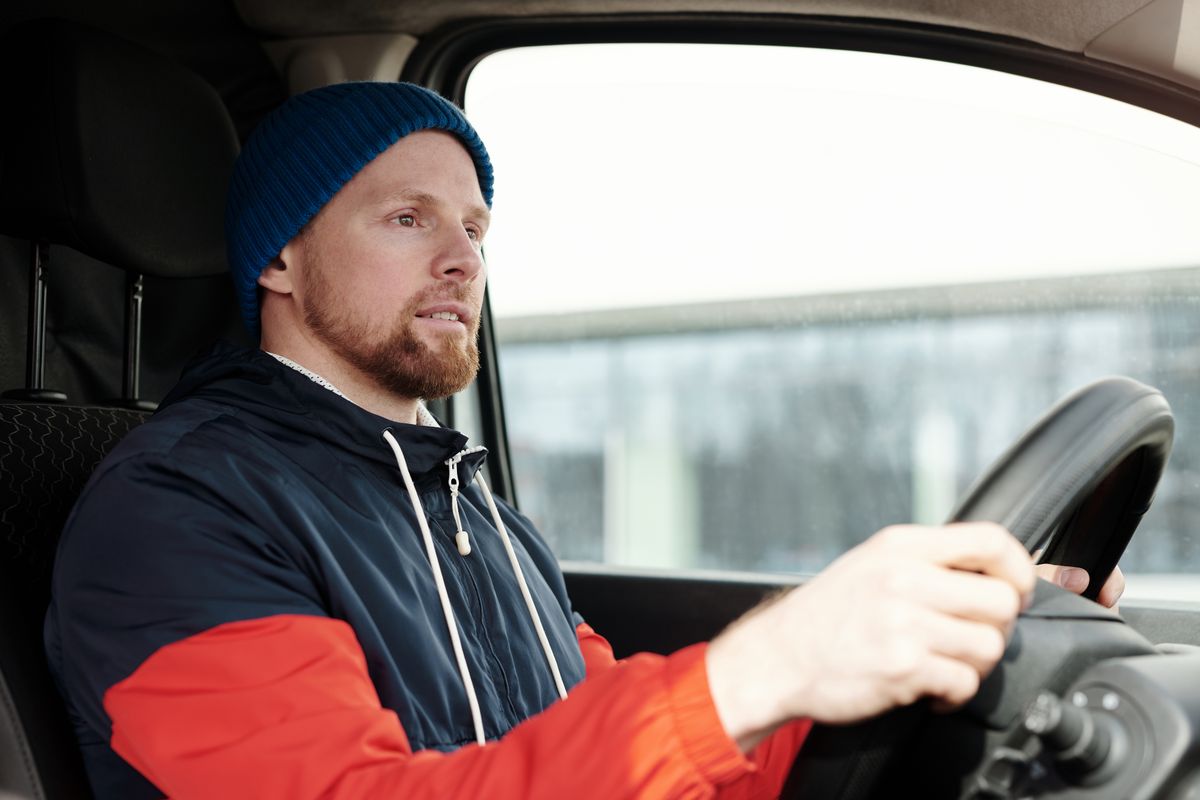
Typing your destination into Google Maps or another navigation app might seem like enough preparation. However, relying entirely on GPS can leave you scrambling when traffic builds up, an exit closes, or your phone loses its connection.
Before leaving, take a few minutes to review the route. Identify the major highways, important exits, and towns along the way. It is also helpful to have an alternative route in mind in case construction or unexpected traffic makes your original plan inconvenient.
The Federal Highway Administration offers holiday travel guidance that encourages motorists to plan ahead and check road conditions. Giving yourself extra time around busy areas can also help you avoid feeling pressured to make rushed decisions.
You do not need to memorize every turn. Just make sure you have a general understanding of where you are going before you start driving.
Never Ignore Your Vehicle’s Condition
A car that starts perfectly in the driveway is not automatically ready for several hours on the highway. Long-distance driving puts your vehicle through a different kind of journey, and small problems can become inconvenient when you are far from home.
Check your tires before departure. Look for visible cracks, cuts, bulges, and uneven wear. Measure tire pressure using the vehicle manufacturer’s recommended pressure, which is usually listed on a label inside the driver’s door or in the owner’s manual. Do not simply use the maximum pressure printed on the tire’s sidewall.
Also check your headlights, brake lights, windshield wipers, and fluid levels. If your vehicle requires maintenance, arrange it before the trip rather than hoping everything will be fine.
Check whether your car has a spare tire and the equipment needed to change it. Some newer vehicles have different roadside repair arrangements, so know what your particular vehicle provides.
A few minutes of preparation in the driveway is much easier than discovering a problem halfway through your holiday journey.
Never Push Through Exhaustion
There is something tempting about wanting to reach your destination without unnecessary stops, especially when you are driving alone. You might tell yourself that you are only another 30 minutes away and can rest once you arrive.
That thinking can become a problem when you are already tired. According to the National Highway Traffic Safety Administration’s (NHTSA) drowsy-driving guidance, drowsy-driving crashes occur more frequently during certain periods, including midnight to 6 a.m. and the late afternoon. These are times when drivers should be particularly mindful of fatigue.
Get adequate sleep before leaving and plan realistic driving times. Watch for warning signs such as repeated yawning, difficulty concentrating, or struggling to keep your eyes open.
If you feel sleepy, find a safe place to stop and rest. Coffee may temporarily make you feel more alert, but it is not a substitute for adequate sleep.
Your destination will still be there when you arrive. There is no prize for completing a long drive without taking a break.
Never Leave Without Telling Someone Your Travel Plans
One of the easiest things to overlook when planning a solo road trip is informing someone about your journey.
When traveling with friends or family, other people naturally know where you are going. When traveling alone, however, it is worth making that information available to someone you trust.
Before leaving, share your destination, intended route, and estimated arrival time with a family member or friend. If you decide to take a different route or make a significant change to your plans, update them when you are safely parked.
You can also send a quick message once you reach your destination. This does not mean someone needs to monitor your every move. It is simply a sensible communication habit that gives a trusted person an idea of your plans.
A short text before departure and another after arrival can make coordinating holiday visits much easier.
Never Ignore Changing Weather and Road Conditions
A sunny morning at home does not mean the weather will remain pleasant throughout your journey. A long holiday drive can take you through several towns, counties or states, each with different weather and road conditions.
Before leaving, check the forecast along your route rather than looking only at the weather in your starting location. Also look for official road updates covering construction, closures, and other travel disruptions.
If rain begins falling heavily, adjust your driving. Reduce your speed and leave more distance between your vehicle and the one ahead. Wet roads can make stopping more difficult, so avoid following other vehicles too closely.
Be especially careful around flooded roads. Never attempt to drive through floodwater or bypass road barriers. Even if the water does not look particularly deep, its actual depth and the condition of the road underneath may be difficult to judge.
The NHTSA and Federal Highway Administration provide guidance on driving in severe weather and preparing for changing road conditions.
Sometimes the best decision is to delay departure or find a safe place to wait until conditions improve.
Never Allow Your Phone to Distract You
Driving alone means there is nobody in the passenger seat to change your music, check a message, or help adjust your navigation. That can make your phone an especially tempting distraction.
You might receive a text, remember an email you forgot to answer, or decide to search for a better route while moving. Even a quick glance at the screen can take your attention away from the road.
Prepare your phone before departure. Enter your destination into your navigation app, choose your playlist or podcast, and silence unnecessary notifications.
If you need to change directions, answer a message or make a call, find a safe place to park first. Do not try to scroll through your phone while driving, even when traffic appears slow.
The National Highway Traffic Safety Administration and the Centers for Disease Control and Prevention both identify distracted driving as an important road safety concern.
Your favorite playlist can wait until the next stop. Keeping your attention on the road should come first.
Never Travel Without Enough Fuel or Emergency Supplies
Running low on fuel is inconvenient in any situation, but it can become particularly frustrating when you are traveling alone through an unfamiliar area.
Before departure, check the distance between fuel stations along your route and plan where you intend to stop. Avoid waiting until the fuel warning light appears before looking for somewhere to fill up. Some stretches of highway have fewer convenient services than others.
It is also worth preparing a basic roadside emergency kit. Following NHTSA’s road trip preparation guidance, consider packing a flashlight, jumper cables, drinking water, nonperishable snacks, an emergency blanket, a phone charger, and any other supplies appropriate for your vehicle and journey.
Check your vehicle’s roadside assistance arrangements as well. Know whom to contact if you experience a breakdown or need help.
Even a well-maintained vehicle can develop an unexpected problem, so having a few useful supplies within reach can make an unplanned stop easier to manage.