7 Grandma Secrets for Feeding Unexpected Company
In Grandma’s day, people didn’t always call ahead. A neighbor might stop by after church, a cousin might pass through town on the way to somewhere else, or the preacher might drop in just as supper was going on the stove. And whoever showed up at the door was expected to be fed.
Grandma never seemed flustered by it. She’d put the coffee on, pull a few things from the pantry and somehow set a full table in the time it took everyone to sit down and catch up. To the grandkids watching, it looked like a magic trick.
It wasn’t magic, of course. It was planning, thrift and a set of habits that her own mother likely taught her. Those habits still work today, especially in the busy weeks around the holidays when the doorbell rings more often. Here are seven of Grandma’s best secrets for feeding unexpected company.
1. She Always Kept a “Company Shelf”
Many grandmothers had a shelf in the pantry that was off-limits for everyday meals. It held a few cans of ham or chicken, a jar of good preserves, a box of crackers, canned fruit and maybe a tin of nuts. Those items were saved for guests, not for a Tuesday night supper.
When company arrived, Grandma didn’t have to think twice. She simply went to that shelf, and a respectable spread came together in minutes. The habit is a lot like keeping an emergency supply of pantry staples, only with an eye toward hospitality.
2. She Could Stretch Any Main Dish
A pot roast meant for four could feed eight in Grandma’s hands. She’d add more potatoes and carrots to the pan, cut the meat a little thinner and serve it over rice, noodles or biscuits. Soups and stews were especially easy to stretch with another can of tomatoes, a handful of rice or an extra cup of broth.
Stretching meals was a skill many women learned during the Great Depression and wartime rationing, when food had to go further than anyone liked. Those lessons stuck for life. Plenty of Depression-era grandparents never lost the habit of making a little go a long way.
3. There Was Always Something Baked
Few grandmothers would let a week go by without baking something. A pound cake under a glass dome, a tin of cookies or a pan of brownies sat ready on the counter almost all the time. If company arrived, dessert was already taken care of.
Many women also kept a loaf of quick bread or a coffee cake wrapped in the freezer. It could be thawed and warmed in the oven in the time it took to brew a pot of coffee. A slice of something homemade made any visit feel special, even when it happened on short notice.
4. She Relied on Eggs
When all else failed, Grandma turned to eggs. Scrambled eggs, a skillet frittata, deviled eggs or a quick egg salad sandwich could be on the table in minutes. Eggs were cheap, always in the icebox and easy to dress up with a little cheese, onion or leftover ham.
A few hard-boiled eggs often sat in a bowl in the refrigerator, ready to be sliced onto a salad, chopped into a quick sandwich filling or turned into a plate of deviled eggs with a sprinkle of paprika. Those little touches made a hurried meal look planned.
Breakfast-for-dinner was a perfectly acceptable way to feed unexpected guests in many homes. A plate of scrambled eggs with biscuits, bacon and a jar of homemade jam made people feel welcome without any fuss at all.
5. Biscuits and Cornbread Were Her Backup Plan
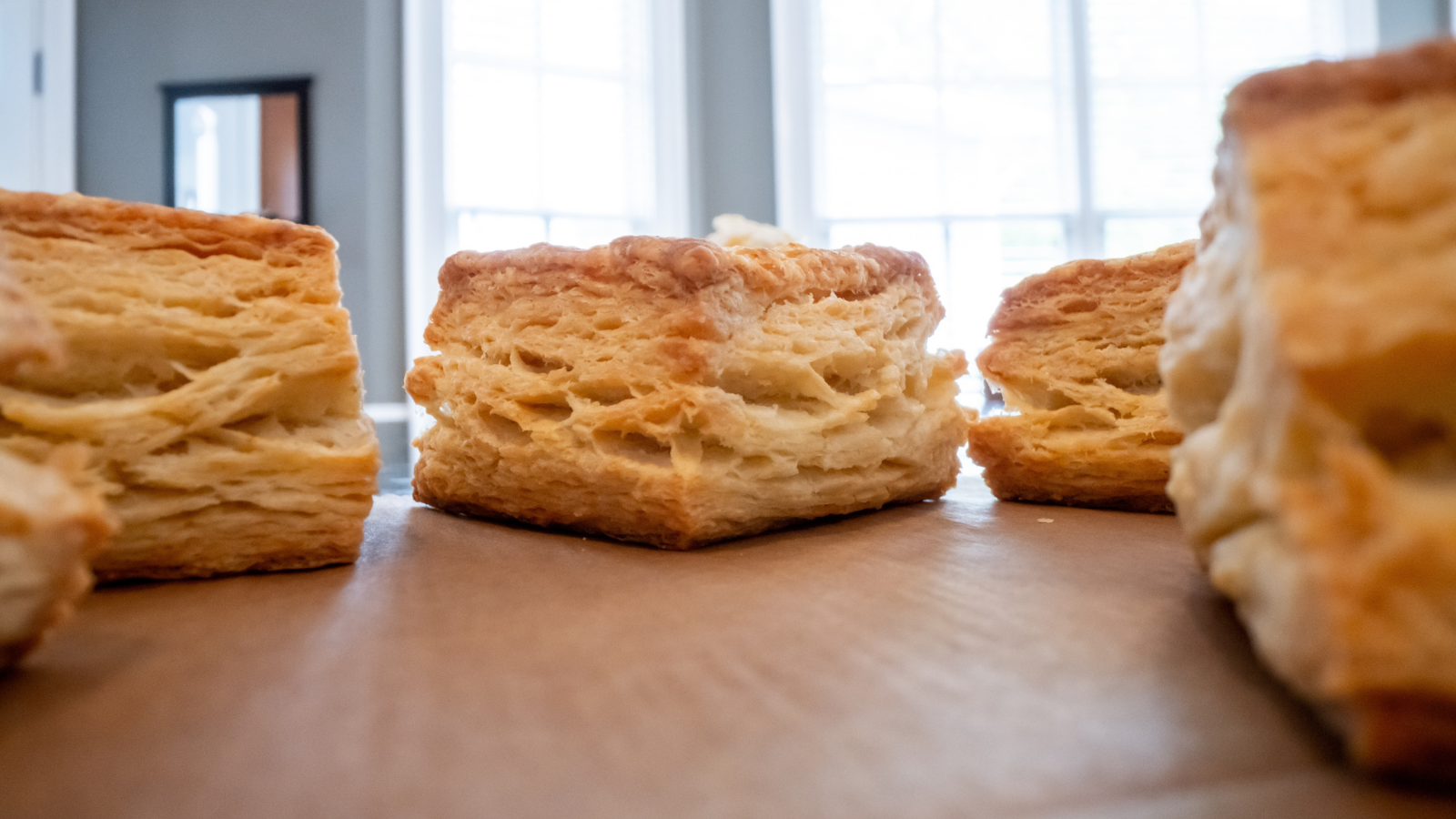
A homemade biscuit or a wedge of cornbread could turn even a thin meal into a filling one. Grandma could mix up a batch from memory with flour, baking powder, fat and milk, and have them in the oven before the guests had their coats off.
Some grandmothers kept a jar of homemade biscuit mix in the pantry, with the flour, baking powder, salt and shortening already cut together. All she had to do was add milk, pat out the dough and cut the rounds with an upside-down drinking glass. That small bit of planning saved precious minutes when the car pulled into the driveway.
These quick breads filled up hungry stomachs and made any table look more generous. Many families still remember the smell of biscuits baking as the signal that company had arrived and was staying for supper.
6. She Set the Table With Care
Grandma knew that presentation made a simple meal feel like an occasion. She might pull out a nicer tablecloth, a vase of fresh flowers from the yard or the cut-glass relish dish filled with pickles and olives. Even a plain supper looked festive with a few small touches.
Many women of that generation kept a set of good dishes for guests. The habit of saving the good china for company was common, and bringing it out told visitors they were worth the extra effort.
7. She Never Apologized for What She Had
Perhaps Grandma’s biggest secret was her attitude. She didn’t fuss about the meal not being fancy enough or apologize for what was in the pot. She simply set out what she had, poured the coffee and made people feel glad they had stopped by.
Hospitality to her wasn’t about impressing anyone. It was about making people feel welcome, fed and cared for. That generous spirit made even a bowl of beans and cornbread feel like a feast, and guests usually remembered the warmth long after they forgot what was served.
How These Secrets Still Work Today
Most people today don’t get as many surprise visitors as Grandma did, but the holidays bring plenty of them. A neighbor drops off a gift, a grown child arrives a day early or friends come over after a church program. Having a few of Grandma’s habits in place can turn a stressful moment into a pleasant one.
Keep a few company items in the pantry, a sweet treat in the freezer and a carton of eggs in the refrigerator. Learn one or two meals that are easy to stretch. And most of all, remember that people will remember the welcome more than the menu.
Did your grandmother have a go-to dish when unexpected company showed up? And do you still keep anything on hand “just in case” someone knocks on the door?