8 Things You Need to Know Before You Put a Butterball Turkey in Your Cart
Butterball is one of the first names many Americans recognize when shopping for a Thanksgiving turkey. Its familiar packaging, wide availability, and promise of tender, juicy meat make it an easy choice for holiday meals. Whether you’re preparing dinner for a large family or looking for a smaller bird, the brand offers several options in grocery store freezers and refrigerated meat sections.
But before you automatically add a Butterball turkey to your cart, a few things are worth understanding. The company offers both fresh and frozen products, and some of its turkeys contain added solutions of water, salt, and seasonings. Its labels also include claims about natural ingredients, animal welfare, and hormone use that shoppers may want to understand.
None of this means Butterball is a bad choice. However, knowing what you’re purchasing can help you compare products, manage your holiday budget, and avoid surprises when it’s time to cook.
Here are eight things to know before buying one.
Butterball Is a Major Turkey Brand With a Long History
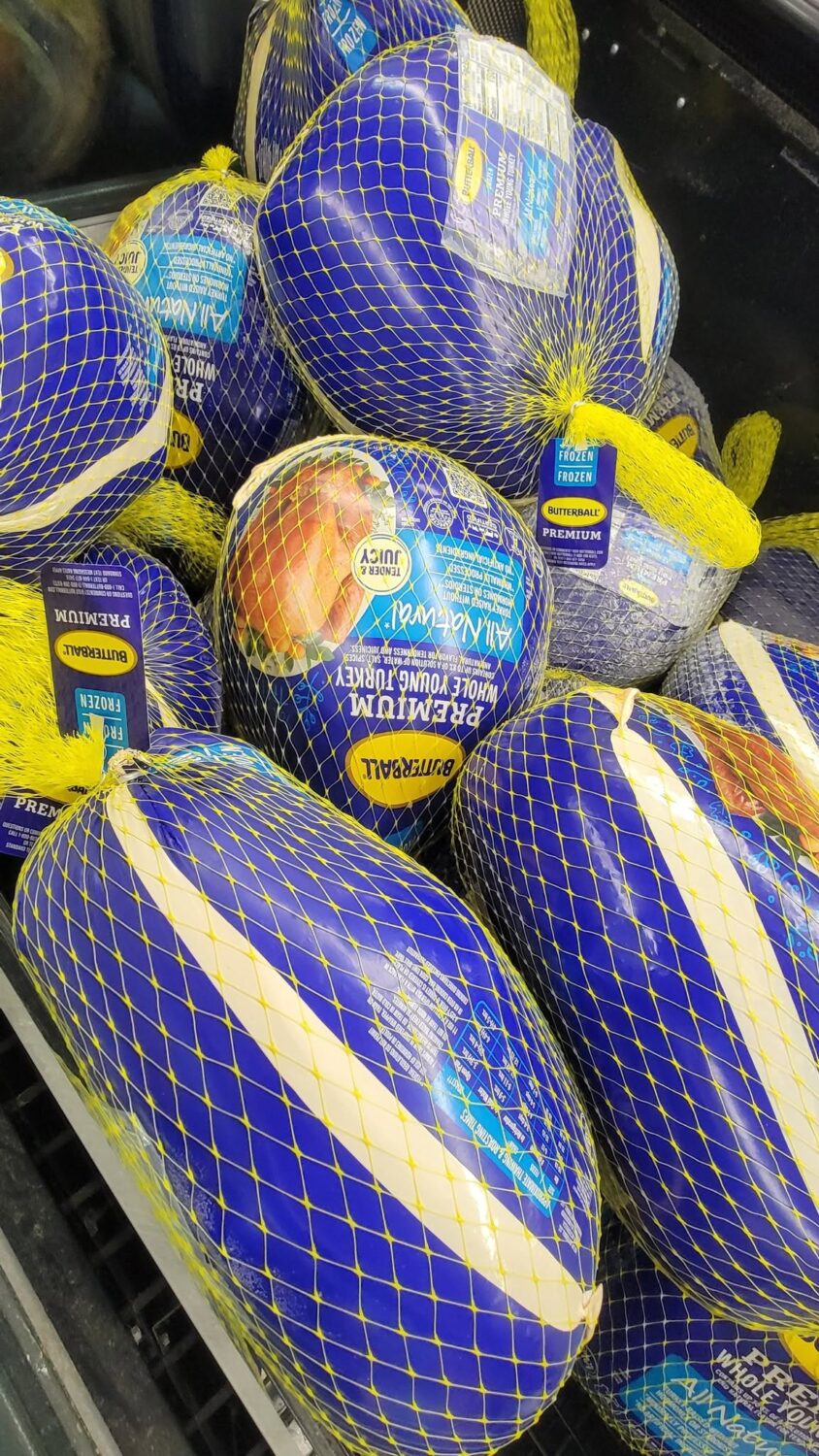
Butterball is not a small specialty turkey producer. It is one of America’s most recognizable turkey companies, with a history dating back more than 70 years.
According to its corporate information, the company is headquartered in the Raleigh-Durham area of North Carolina and operates farms, processing facilities, and support offices nationwide.
Butterball is privately owned and operated as a joint venture involving Maxwell Farms and Seaboard Corporation, according to the company’s 2024 corporate reporting.
The company produces a variety of turkey products, including whole birds, turkey breasts, ground turkey, deli meats, and other prepared options.
That broad product range means shoppers are not limited to buying a traditional whole turkey. You can choose products depending on how much cooking you want to do and how many people you need to feed.
Fresh and Frozen Butterball Turkeys Are Not the Same
One of the first decisions shoppers face is whether to purchase a fresh or frozen turkey.
Butterball sells both, and the difference is worth considering before choosing a package.
Its fresh whole turkeys are marketed as never frozen and contain up to 4% of a solution of water, salt, and spices. The frozen whole turkeys, meanwhile, contain up to 8% of a solution of water, salt, spices, and natural flavor, according to the company’s product information.
Both are pre-brined to help improve tenderness and juiciness.
Fresh turkey can be convenient if you are shopping shortly before your planned meal because you do not need to spend several days thawing it. Frozen turkey offers more flexibility if you want to purchase your bird well in advance.
Neither option is automatically better. Your refrigerator space, shopping schedule, preferred texture, and cooking plans should influence your decision.
Some Butterball Turkeys Contain Added Salt and Water
This is one detail shoppers should watch, especially if they prefer to control the seasoning in their meals.
Butterball’s whole turkeys are pre-brined, meaning a solution containing water, salt, and seasonings is added to the meat before packaging.
The company’s product information lists up to 4% added solution for its fresh whole turkey and up to 8% for its frozen whole turkey.
This is not unusual in the turkey market. Pre-brining is a common way manufacturers prepare poultry to help maintain moisture and improve flavor.
However, don’t assume every turkey is simply unseasoned meat.
If you enjoy preparing your own brine or using a particular seasoning mixture, check the ingredients before purchasing. You may want to adjust how much additional salt you use.
It is also worth comparing the sodium information. Butterball lists approximately 170 milligrams of sodium per four-ounce serving for its fresh whole turkey and 260 milligrams for its standard frozen whole turkey.
Those figures can vary by product, so always check the specific package.
The Natural Label Does Not Mean the Turkey Is Completely Unprocessed
Butterball describes several of its turkey products as all-natural, but shoppers should understand what that term means.
The company explains that its natural designation refers to products that are minimally processed and contain no artificial ingredients.
It does not mean the turkey has never been processed or that nothing has been added.
For example, a whole turkey can carry an all-natural label while still containing an added solution of water, salt, and spices.
This distinction matters because consumers sometimes interpret natural as meaning the product contains only meat.
If you want a turkey with fewer added ingredients, the ingredient list is more useful than the front of the package.
Look beyond the marketing language and check exactly what is included in the product.
No Added Hormones Is Not an Exclusive Butterball Benefit
Butterball advertises its whole turkeys as raised without added hormones or steroids. That sounds like an important selling point, but shoppers should know something.
The U.S. Department of Agriculture prohibits added hormones in poultry production.
That means other American turkey producers must follow this requirement, too. Butterball is not offering a special advantage simply by stating that its turkeys are raised without added hormones.
The distinction is worth remembering when comparing grocery store products.
A label can make an ordinary regulatory requirement sound like a unique feature, even when competing brands must meet the same standard.
If you are comparing two turkey packages, it may be more useful to examine their ingredients, sodium content, price, weight, and production claims.
Butterball Has an Animal Welfare Certification
Animal welfare is another consideration for shoppers who want to know how their food is produced.
Butterball says it has maintained American Humane Certified status since 2013. The certification involves independent assessments against animal welfare standards covering areas such as living conditions, nutrition, health care, and handling.
According to the company’s animal care information, its program involves more than 600 independent contract turkey growers and approximately 200 science-based standards.
The company also reports conducting internal audits and participating in third-party assessments.
This gives consumers information about the standards the company says it follows throughout its turkey supply chain.
However, shoppers should remember that animal welfare certifications depend on the standards and auditing programs involved. They do not mean every turkey has been raised outdoors or on pasture.
If farming conditions matter to you, it is worth understanding what a particular certification covers before you buy.
Farm to Family Is a Different Butterball Product Line
You may also encounter Farm to Family by Butterball while shopping.
This is a separate product line for consumers who want turkeys raised without antibiotics.
According to Butterball, these products are made from turkeys raised without antibiotics throughout their lives.
The distinction is important because the regular Butterball brand and Farm to Family range do not make identical antibiotic-related claims.
If avoiding meat from animals treated with antibiotics is a priority, look for the Farm to Family label rather than assuming every Butterball product makes the same promise.
The company also describes the Farm to Family range as offering all-natural turkey products.
As always, check the individual package to confirm the exact claims and ingredients.
You Need More Time Than You Think to Prepare a Frozen Turkey
Buying a turkey is only half the job. You also need to plan how and when you will prepare it.
You can’t simply take a frozen Butterball turkey out of the freezer and put it on the kitchen counter to thaw.
The Centers for Disease Control and Prevention recommends thawing in the refrigerator as a safe method. Allow approximately 24 hours for every four to five pounds of turkey.
For example, a 16-pound turkey may need around four days to thaw in the refrigerator.
If you are short on time, cold-water thawing is another option. Keep the turkey in a leakproof bag, submerge it in cold water, and change the water every 30 minutes. Allow approximately 30 minutes per pound, and cook the turkey immediately after thawing.
Never thaw a turkey at room temperature.
Cooking temperature is equally important. Cook turkey until the internal temperature reaches 165 degrees Fahrenheit. Check the thickest part of the breast and the innermost parts of the thigh and wing with a food thermometer.
These precautions matter no matter which brand you buy.
Is Butterball Worth Buying?
Butterball offers convenience, variety, and recognizable products that can make holiday meal planning easier. Its pre-brined turkeys are designed to provide moisture and flavor, while its fresh and frozen options give shoppers flexibility.
However, the brand name alone should not determine your purchase.
Compare the ingredients, sodium levels, added solutions, weight, and price with other available turkey brands. If animal welfare or antibiotic practices matter to you, examine those claims separately rather than assuming every product in the range is identical.
A Butterball turkey can be a perfectly reasonable choice for Thanksgiving or another family gathering. The important thing is knowing what you are paying for.
The next time you see that familiar package in the grocery store, take a moment to turn it around and read the label. A little extra attention before checkout can make a big difference when the turkey finally reaches your dinner table.