8 Killed After B-52 Bomber Crashes During Test Mission at California’s Edwards Air Force Base
Eight crew members were killed Monday after a U.S. Air Force B-52 Stratofortress crashed shortly after takeoff from Edwards Air Force Base in California, turning what officials described as a routine test mission into one of the deadliest B-52 accidents in decades.
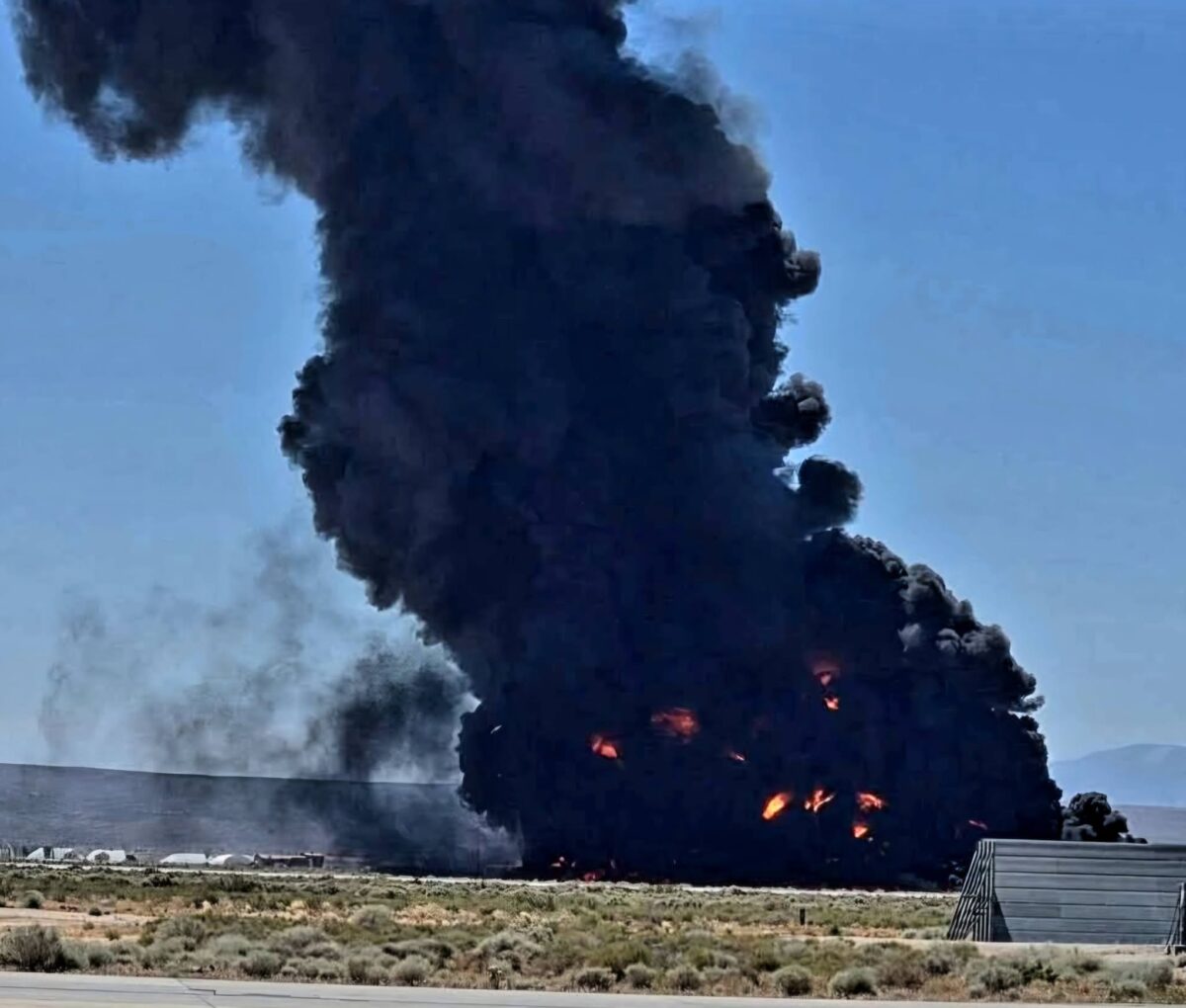
The crash happened around 11:20 a.m. local time at the remote Mojave Desert base, northeast of Los Angeles. The aircraft had just taken off for a test connected to the bomber’s radar modernization program when it went down, sending a dark plume of smoke over one of the nation’s most important military aviation testing grounds.
A Routine Test Flight Became a Fatal Crash
Officials said the bomber was not on a combat mission. It was supporting a modernization effort aimed at keeping the aging B-52 fleet operational as the Air Force continues upgrading systems on an aircraft that first entered service in the 1950s.
The crash was described by base officials as tragic and unsurvivable. Emergency crews responded immediately, but the scale of the impact quickly shifted the situation from a rescue operation to a recovery effort.
Video and images from the area showed a blackened scar near the runway and smoke rising from the crash site. Distinct sections of wreckage were difficult to identify from aerial footage, underlining the force of the impact.
The Crew Included Military and Civilian Personnel
The eight people aboard were a mix of uniformed military personnel, government civilians, and contractors. Boeing, the manufacturer of the B-52, confirmed that two of its employees were on the flight.
Officials said the process of notifying families was underway before the victims’ names would be released publicly. That delay is standard after military deaths, giving relatives time to receive official notice before details become public.
The presence of civilians and contractors on the aircraft also reflects the nature of test missions at Edwards. These flights often involve pilots, engineers, and technical experts who help evaluate new systems under real flight conditions.
Edwards Air Force Base Is Built Around High Risk Testing
Edwards Air Force Base has long been one of the most important test sites in American aviation. The base is known for its long runways, open desert space, and deep connection to experimental aircraft programs.
For decades, Edwards has been associated with test pilots, advanced aircraft, drones, bombers, and even space shuttle landings. The base’s mission is to push aircraft through demanding evaluations before new systems are fully adopted across the military.
That history also means risk is never far away. Test flights are carefully planned, but they often involve complex equipment, unusual aircraft configurations, and highly specialized missions that differ from standard operations.
The B-52 Remains Central to U.S. Air Power
The B-52 Stratofortress is one of the oldest aircraft still flying in the U.S. military fleet, but it remains one of the most powerful. The long-range bomber can carry conventional weapons and is also part of the nation’s nuclear-capable bomber force.
The B-52H model is the version still in service. Though the aircraft is no longer in production, the Air Force has continued to invest in upgrades designed to keep it flying for years to come.
That modernization effort is part of what made Monday’s mission significant. Radar, engine, and weapons system upgrades are intended to extend the aircraft’s usefulness, but the crash now places renewed attention on the challenges of keeping a Cold War-era bomber active in a modern military environment.
The Investigation Could Take Months
Military investigators are expected to review the wreckage, flight data, maintenance records, aircraft systems, and the mission plan. They will also examine conditions at takeoff, communication with the crew, and any possible mechanical or technical failures.
Officials have not announced a cause. At this stage, there is no public evidence pointing to one specific explanation.
The Air Force has said operations at the base were paused after the crash, with officials focusing on recovery, safety, and the early stages of the investigation. A full public explanation may take months, especially if investigators need to reconstruct the final moments of the flight from damaged equipment and scattered evidence.
A Deadly Loss at a Base Known for Aviation Breakthroughs
The crash is especially painful because Edwards is not just another military installation. It is a place closely tied to American aviation achievement, engineering ambition, and the people who test machines before the rest of the force relies on them.
That makes the deaths of the eight crew members feel larger than the loss of a single aircraft. They were part of the hidden work behind military aviation, the dangerous and highly technical testing that usually happens far from public view.
For the families, however, the meaning is much simpler and much heavier. Eight people boarded a bomber for a test mission on Monday morning and did not return.
As investigators begin the long process of determining what went wrong, the Edwards community is left to mourn the crew members lost on a mission meant to prepare an old aircraft for the future.