7 Modern Trends Older Americans Simply Don’t Understand
Every generation looks at the next one and shakes its head. Boomers’ parents couldn’t understand rock and roll, long hair or bell-bottoms. Now boomers are the ones looking around and wondering how things got so strange. From the coffee shop to the restaurant table, modern life is full of habits that leave many older Americans confused or frustrated.
Some of these trends make life easier, at least for some people. Others seem to add cost, hassle and noise without much benefit. Either way, they can make older Americans feel like the world changed when they weren’t looking. Here are seven modern trends that many older Americans simply don’t understand, and why they find them so puzzling.
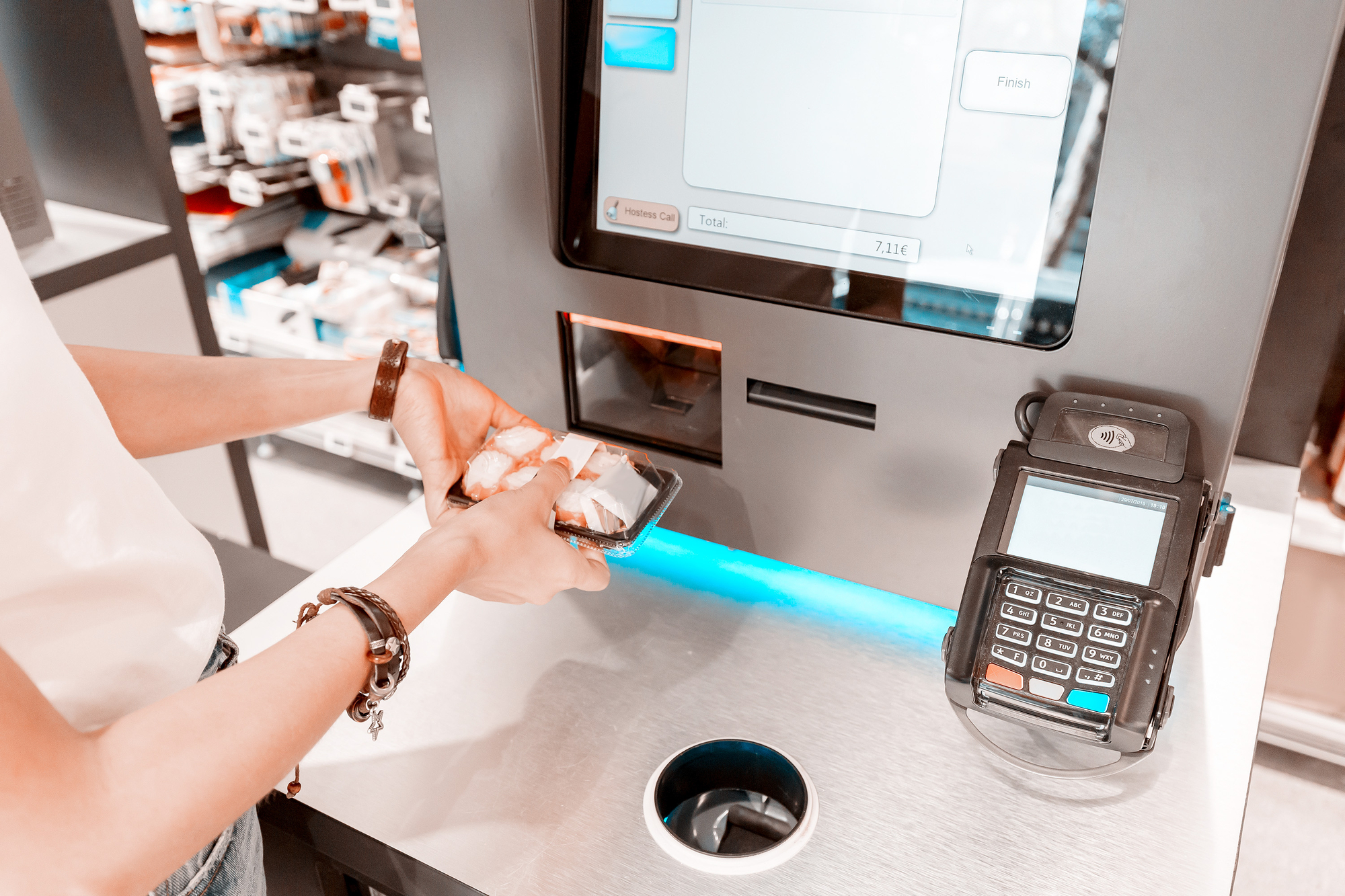
1. Being Asked to Tip Everywhere
Not long ago, Americans tipped servers at sit-down restaurants, hairdressers, taxi drivers and a few others. Now, a tablet screen asks for a tip at the coffee counter, the bakery, the self-checkout kiosk and even the airport newsstand. Suggested tips often start at 18 or 20 percent.
Many older Americans find this confusing and uncomfortable. They’re not sure who they’re supposed to tip or how much. A Pew Research Center survey found that most Americans say tipping is expected in more places than it was five years ago, and many dislike prescreen tip suggestions.
2. QR Code Menus
Many restaurants replaced paper menus with QR codes during the pandemic, and some never went back. Diners scan a code with their phone to see the menu and sometimes to order and pay.
Older diners often find this frustrating, especially if they don’t have a smartphone, have trouble seeing small screens or simply want to hold a menu. To them, it takes away part of the experience of eating out.
3. Subscriptions for Everything
It used to be that you bought something and owned it. Now, many products and services come with monthly subscriptions, from TV and music to software, car features and even printer ink. It’s easy to lose track of how many you’re paying for.
Many older Americans find it maddening to pay every month for things they used to buy once. They also worry about hidden charges and how hard it can be to cancel.
4. Influencers as a Career
Many older Americans struggle to understand how people make a living posting videos and photos on social media. The idea that someone can earn money by reviewing products, sharing their meals or dancing on camera seems strange.
To generations who worked in factories, offices and on farms, influencing doesn’t seem like real work. Yet for some, it’s a lucrative career, and many young people say they’d like to become influencers.
5. Seven-Dollar Coffee
When boomers were young, a cup of coffee at a diner cost a few cents, often with free refills. Today, a fancy coffee drink at a chain coffee shop can cost six or seven dollars or more, especially with flavored syrups, extra shots and milk substitutes.
Many older Americans find it hard to understand why anyone would pay that much for coffee every day. They’re happy with a pot brewed at home.
6. Gender Reveal Parties
Gender reveal parties, where expecting parents reveal their baby’s sex with colored cake, balloons, smoke or even fireworks, have become popular in recent years. Some have grown elaborate and expensive, and a few have even caused accidents.
Older Americans often find these parties puzzling. When they were having children, many didn’t know the baby’s sex until birth, and nobody threw a party to announce it. For those planning one, there are tips for a gender reveal party that guests will enjoy, but many grandparents still don’t see the point.
7. Never Calling, Only Texting
Many younger people prefer texting to phone calls and may even find unexpected calls intrusive. Some won’t answer the phone unless a call is scheduled ahead of time.
For older Americans, who grew up talking on the phone for hours, this feels cold and impersonal. They wonder why a quick call is too much to ask.
Why These Trends Feel So Strange
Many of these trends are tied to technology, which has changed the world faster than ever before. Older Americans have adapted to many changes, from computers to smartphones, but some trends feel like they were designed without them in mind.
Others reflect changing values, such as the way younger generations spend money or celebrate milestones. What seems normal to one generation can seem wasteful or silly to another.
How Older Americans Are Adapting
Despite their frustrations, many older Americans have adapted to modern life more than they get credit for. Many use smartphones, shop online, video chat with grandchildren and stream their favorite shows. Some have even become social media users themselves, sharing recipes, photos and memories with friends and family.
What bothers many older people isn’t technology itself but the feeling that the world is moving too fast and leaving them behind. Simple things, like a paper menu option, a person to talk to on the phone or a clear explanation of a new system, can make a big difference. Businesses that remember older customers often earn their loyalty.
Families can help too. Patiently showing a parent or grandparent how to use a new app, rather than doing it for them, can make them feel more confident and included.
In the end, every generation finds some of the next generation’s habits puzzling. Many of today’s younger people will one day shake their heads at trends their own grandchildren adopt. Understanding that cycle can help families laugh about their differences instead of arguing over them.
Not All Change Is Bad
Some older Americans have embraced modern trends, from video calls with grandchildren to online shopping. Many say technology has made it easier to stay connected and get things done. The key is finding what works for you.
Some families are also rethinking old traditions, as this look at American traditions that modern families question shows. Which modern trend confuses you most, and is there one you’ve come to like?