7 Narcissistic Historical Figures Who Changed the World for the Worse
History has always had room for powerful people with big dreams. The problem begins when those dreams become worship of the self, and the rest of humanity is forced to clap along. Some leaders did not just want power. They wanted obedience, admiration, silence, and a world shaped around their ego.
This list does not diagnose anyone with a clinical disorder. Instead, it looks at historical figures who showed patterns often linked with narcissistic leadership, including grandiosity, cruelty, obsession with image, refusal to accept criticism, and a dangerous belief that their vision mattered more than human life.
Adolf Hitler

Adolf Hitler turned personal hatred into state policy, then wrapped it in spectacle, flags, uniforms, slogans, and mass obedience. His rule was built around the idea that one man’s vision could decide the destiny of millions, and that entire groups of people could be erased to satisfy that vision. Britannica describes Hitler as responsible for starting World War II and for the Holocaust, which killed six million Jews and millions of others.
The narcissistic part of Hitler’s rule was not just his hunger for power. It was the way he turned himself into a national object of worship. The “Führer” image became sacred in Nazi Germany, with portraits everywhere, compulsory greetings, and a political culture that treated loyalty to Hitler as loyalty to the nation itself.
Joseph Stalin
Joseph Stalin did not simply govern the Soviet Union. He remade it into a country where fear became a daily language, and suspicion became a survival skill. His need for control produced purges, forced collectivization, prison camps, executions, and a political system where even old allies could become enemies overnight.
Stalin’s narcissism showed in his hunger to be seen as the unquestioned heir to the revolution. After Lenin’s death, he promoted his own cult, even renaming Tsaritsyn as Stalingrad, turning geography into personal advertising. Britannica notes that Stalinism involved forced collectivization, rapid industrialization, purges, and millions of deaths.
Mao Zedong
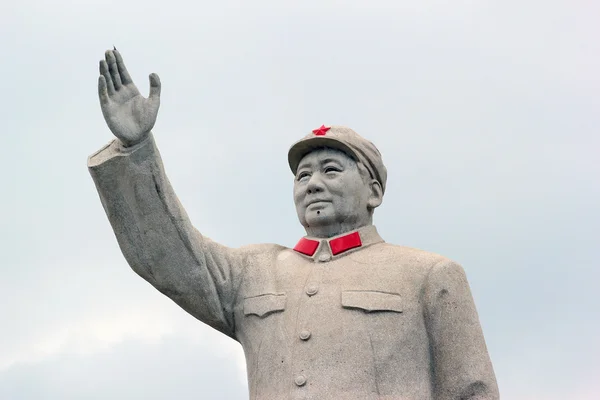
Mao Zedong’s rule shows how dangerous a leader can become when personal mythology is treated as national truth. His image became larger than government, larger than party, and almost larger than China itself. During the Cultural Revolution, Mao’s personality cult reached what Britannica describes as “religious proportions,” as young Red Guards attacked intellectuals, elderly people, officials, and anyone accused of representing old ideas.
The damage was not only political. It was cultural, emotional, and generational. Families turned on each other, schools were disrupted, history was smashed, and millions lived under the terror of ideological purity. Mao’s grand vision promised renewal, but it created chaos because one man’s ego was allowed to masquerade as national salvation.
King Leopold II
King Leopold II of Belgium may be one of history’s clearest examples of greed dressed up as civilization. He presented his control of the Congo Free State as a noble mission, but the reality was brutal extraction, forced labor, terror, and atrocities against the Congolese people. Britannica notes that Leopold was responsible for widespread atrocities committed under his rule against colonial subjects.
His narcissism was quieter than Hitler’s rallies or Stalin’s statues, but it was no less poisonous. Leopold treated a vast African territory as a personal possession, a stage for imperial glory, and a profit-making machine. The Congo Free State became closely associated with extraordinary hardships and atrocities committed in the name of its so-called “civilizing mission.”
Pol Pot
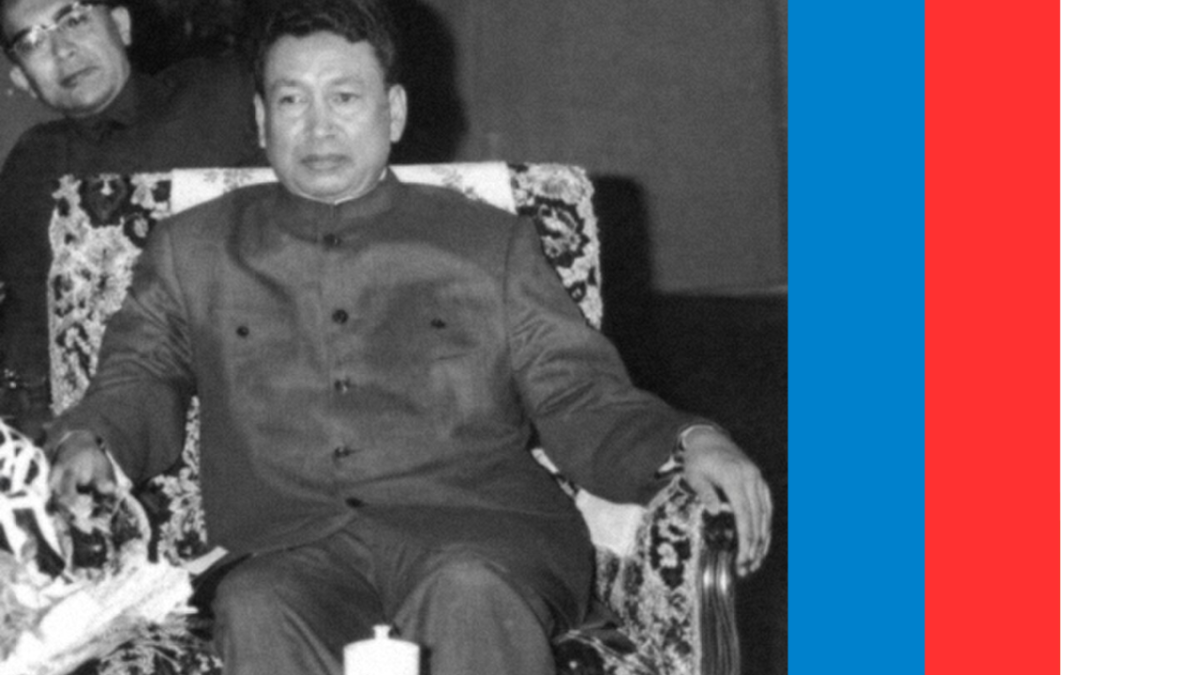
Pol Pot’s arrogance was terrifying because it was accompanied by a fantasy of starting society from scratch. He and the Khmer Rouge believed they could erase modern life, empty cities, destroy education, crush religion, and rebuild Cambodia as an agrarian utopia. The result was one of the twentieth century’s most horrifying human disasters.
The Cambodian genocide from 1975 to 1979 led to the deaths of an estimated 1.5 million to 3 million people through executions, forced labor, starvation, and disease. That represented about a quarter of Cambodia’s population. Pol Pot changed the world for the worse by proving how lethal ideological vanity can become when leaders see real people as raw material for their perfect society.
Benito Mussolini
Benito Mussolini understood the theater of power. He knew how to pose, shout, march, and make politics feel like a performance starring himself. As the founder of fascism, he helped popularize a style of authoritarian leadership built on nationalism, violence, masculine posturing, and contempt for democratic weakness.
His ego did not stay inside Italy. Mussolini’s dictatorship helped normalize fascist politics in Europe and aligned Italy with Nazi Germany during World War II. Britannica notes that Mussolini created a cult of personality and was hailed by supporters as a genius and a superman. That kind of self-mythologizing turned politics into worship, and worship has a terrible habit of silencing conscience.
Saddam Hussein
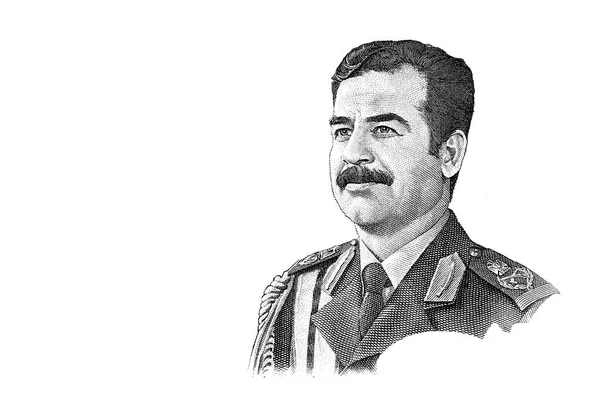
Saddam Hussein ruled Iraq through fear, personality worship, surveillance, and punishment. His leadership style mixed personal ambition with national humiliation, presenting himself as the strongman who could restore Arab power and regional dominance. Britannica notes that Saddam built a personality cult and sought to make Iraq a leading power in the Arab world and the Persian Gulf.
The cost was devastating. His rule included repression, war, mass violence, and the crushing of dissent. After Iraq’s defeat in the Gulf War, his government retained power by harshly suppressing uprisings by Kurds and Shiite Arabs. Saddam’s legacy shows how narcissistic rule often feeds on humiliation, then exports that wound through violence.
Conclusion
The worst narcissistic leaders do not simply love themselves too much. They demand that entire societies participate in the illusion. They build cults, punish critics, rewrite truth, and treat human beings as tools for their private legend.
These figures changed the world for the worse because their egos were not contained by law, humility, or mercy. Their stories remain warnings carved into history. When power becomes personal worship, ordinary people usually pay the bill.