How KFC Lost Its Way: The Decisions That Left the Colonel’s Empire Struggling
KFC is still expanding around the world, but its U.S. business has been fighting a very different battle.
Domestic systemwide sales fell 4.6% in 2025, according to Technomic data reported by Restaurant Business. By the third quarter of 2026, U.S. systemwide sales had declined 6%. Meanwhile, Yum Brands highlighted 7% KFC unit growth globally.
That contrast tells an important part of the story. KFC is not disappearing. The bigger problem is that its American restaurants have struggled to keep the same momentum.
A recent Chapter 11 filing by a major KFC franchise operator has made those pressures harder to ignore. Tasty Chick’n, which operates 75 KFC restaurants and nine KFC-Taco Bell locations across 10 states, filed for bankruptcy protection on November 16, 2026.
But the financial pressure did not appear overnight. Several decisions have left KFC trying to rebuild its U.S. business while franchisees deal with their own rising costs.
The family bucket did not fit every occasion
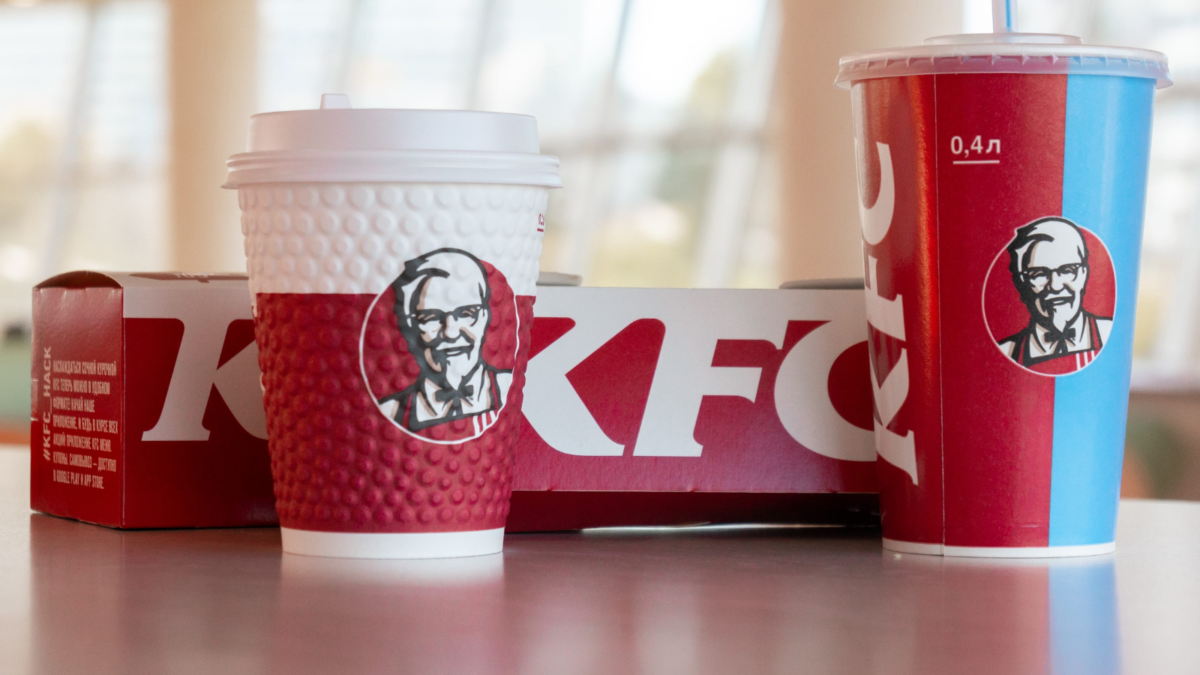
For years, KFC built its identity around bone-in chicken and meals designed to feed a group.
That remains an important part of the brand, but the restaurant industry has increasingly offered customers other ways to eat chicken, including tenders, sandwiches and individual meals.
Franchise Times reporting identified that shift as one of KFC’s challenges. A restaurant built heavily around the family-meal occasion does not necessarily fit someone looking for a quick individual meal or an afternoon snack.
KFC has been trying to stretch the bucket concept into more occasions. In 2025, it added tenders to its $10 Tuesdays offer. In October 2026, it introduced smaller Go Buckets aimed at affordable afternoon snacking.
The changes show a brand trying to meet customers somewhere beyond the traditional family dinner.
Financial pressure pushed innovation down the list
The problem was not simply about what appeared on the menu.
Pushpak Patel of Mitra QSR told Franchise Times that rising labor costs, staffing shortages, and food inflation squeezed franchisee profitability after strong years in 2020 and 2021.
When the money gets tighter, restaurants have to make choices about where to spend it. Patel said the response shifted toward maintaining transactions instead of continuing to develop new products.
KFC’s global CEO Scott Mezvinsky also acknowledged that the brand missed opportunities to build on its momentum through 2021. Inflation and declining visits contributed to short-term decisions that were not necessarily best for the business.
That created a difficult trade-off. Protecting today’s sales became more urgent, while investing in the next reason for customers to visit became harder.
The Colonel became less visible
KFC also stepped away from one of its most recognizable pieces of branding.
Catherine Tan-Gillespie, KFC U.S. president, told Franchise Times that the company moved away from prominently featuring Colonel Sanders during the pandemic. The reporting also pointed to problems with the advertising-channel mix and reaching both existing and younger customers.
That did not mean the Colonel disappeared forever.
KFC brought him back to the center of its marketing with its “Kentucky Fried Comeback” campaign, launched in July 2025. The campaign combined nostalgia with menu development, giving the brand a familiar face while also trying to create new reasons for customers to return.
The important point is that the mascot was only one piece of a larger problem. Better advertising could attract attention, but it could not solve product, service, or franchisee financial challenges on its own.
Speed became another problem
KFC also had to look at what happened inside its restaurants.
Franchise Times reported that putting too much emphasis on speed had affected quality. Tan-Gillespie described a renewed focus on delivering the fried chicken customers expected, summed up with the phrase “Hot chicken, warm smile.”
That matters because getting customers back through the door is only part of a comeback.
The restaurant experience still has to give them a reason to return. Advertising can create interest, but the food and service have to support that promise.
KFC has therefore been working on restaurant-level improvements alongside its menu and marketing changes.
The digital experience had room to catch up
Another opportunity involved how customers interact with the brand.
In January 2026, Tan-Gillespie said that 60% to 70% of KFC customers used the drive-thru. At the same time, KFC Rewards was available through its app and website, creating an opportunity to extend loyalty engagement into the drive-thru experience.
Digital channels represented about 20% of sales at that time. The company was also rolling out new restaurant technology, including point-of-sale and kitchen display systems.
Those figures describe KFC’s position at the time of the January reporting, not its current November status. Still, they show why technology became part of the broader effort to modernize the U.S. operation.
Franchisees are feeling the squeeze
The pressure becomes more visible when looking at the people operating the restaurants.
Mezvinsky said inconsistent performance affected franchisees in two ways: it limited cash flow and reduced confidence. Stronger restaurant economics were needed to support remodels, relocations, and new locations.
That creates a frustrating cycle. Restaurants may need investment to become more competitive, but weaker earnings can make it harder for operators to finance that investment.
Tasty Chick’n provides a particularly clear example.
The company filed for Chapter 11 protection with 75 KFC restaurants and nine co-branded KFC-Taco Bell locations in its portfolio. Court-record reporting identified declining sales, higher labor and rent costs, acquisition debt, and required restaurant investment among its financial pressures.
Its restaurant-level margins fell from 11.8% in fiscal 2023 to 4% in 2026. The operator owed lenders more than $67 million and faced remodel and refresh obligations at 37 restaurants through 2029.
The filing concerns that franchise operator, not KFC or Yum Brands. It also does not mean all 84 restaurants have permanently closed.
The comeback has started, but it is not finished
KFC has already shown some signs of improvement.
U.S. same-store sales increased 2% in the third quarter of 2025 and 1% in each of the following two quarters. But Tan-Gillespie acknowledged that those gains were not enough to restore KFC’s competitive position.
The comeback now includes tenders, sauces, value offers, renewed use of the Colonel and restaurant improvements. Saucy by KFC is another test, built around tenders and sauces and aimed at younger consumers.
The numbers show why the company is still pushing. Modest comparable-store gains are better than continued declines, but they have not erased the pressure facing the U.S. system.
KFC’s global growth makes the situation even more interesting. The brand is expanding internationally while its American operation works through weaker sales, franchisee financial strain, and the need to reconnect with customers.
The next stage of the comeback will depend on more than a familiar mascot or a new menu item. KFC needs those changes to translate into better restaurant experiences, stronger sales, and healthier economics for the franchisees operating its U.S. restaurants.
For now, the Colonel’s empire is not gone. It is simply still trying to find its way back.