8 Foods Every Small-Town Bakery Sold in the 1960s That Are Hard to Find Now
In the 1960s, nearly every small town in America had a bakery on Main Street. The smell of fresh bread drifted out onto the sidewalk early in the morning, and the glass cases were filled with doughnuts, cookies, pies and cakes. The baker often knew every customer by name, and kids pressed their noses against the glass, hoping for a free cookie.
Many of those bakeries have closed over the years, replaced by supermarket bakery counters and big chains. Along with them, some of the treats they sold have become hard to find. Boomers who grew up with those bakeries still remember the flavors. Here are eight foods every small-town bakery seemed to sell in the 1960s that are much harder to find today.
1. Salt-Rising Bread
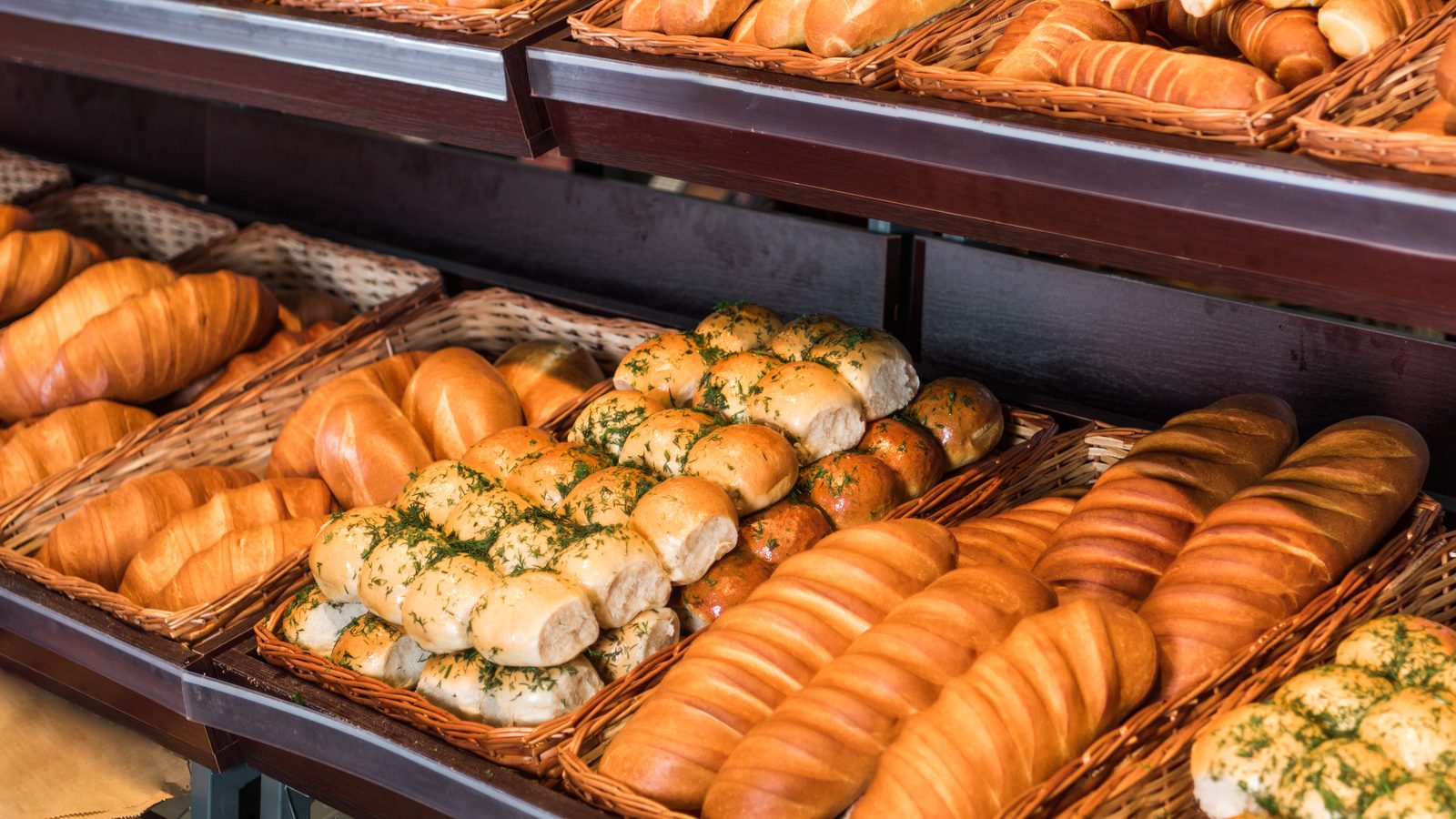
Salt-rising bread was a favorite in many Appalachian and rural bakeries. Unlike most bread, it doesn’t use yeast. Instead, it rises from a starter made with potatoes, cornmeal or flour that ferments over many hours. The result is a dense, slightly cheesy-smelling bread that’s delicious toasted.
Making salt-rising bread is tricky and time-consuming, so few bakeries still make it. A handful of specialty bakers in West Virginia, Pennsylvania and other areas keep the tradition alive. For many boomers, the unique smell of salt-rising bread toasting in the morning is an unforgettable memory.
2. Cream Horns
Cream horns were flaky pastry tubes filled with sweet cream or marshmallow filling. They were a common sight in bakery cases across the country, often dusted with powdered sugar. Kids loved biting into the crispy pastry and getting a mouthful of sweet cream.
Today, cream horns are less common in bakeries, though some still make them. Supermarket versions exist, but many people say they don’t compare to the fresh ones from a local bakery. For boomers, a cream horn is a classic treat that brings back memories of after-school stops.
3. Butterhorn Rolls
Butterhorns were soft, crescent-shaped rolls made with plenty of butter. Some bakeries topped them with icing or filled them with cinnamon and nuts. They were popular for Sunday breakfast and holiday dinners.
While crescent rolls from a can are widely available, true homemade butterhorns from a bakery are harder to find. Many small-town bakeries that made them have closed. Some home bakers still make them from family recipes, keeping the tradition alive.
4. Real Lard Pie Crusts
In the 1960s, many bakeries made pie crusts with lard, which created an exceptionally flaky crust. Lard was a common baking fat, especially in rural areas. Bakery pies with lard crusts were known for their tender, flaky texture.
Over time, many bakeries switched to vegetable shortening or butter. Today, it’s rare to find a bakery pie made with a lard crust. Some old-fashioned bakers and home cooks still swear by lard, but most commercial pies use other fats.
5. Old-Fashioned Glazed Doughnuts Made by Hand
Small-town bakeries often made their doughnuts by hand early each morning. These doughnuts were fried in small batches and glazed while still warm. They were soft, light and often sold out by mid-morning.
Today, many doughnuts are made in large batches by chains or supermarkets. While delicious in their own way, they often lack the handmade quality of small-town bakery doughnuts. Boomers remember stopping at the bakery for a warm glazed doughnut and a cup of coffee.
6. Bismarcks and Long Johns
Bismarcks were round, filled doughnuts, often stuffed with jelly or cream. Long johns were rectangular doughnuts topped with chocolate or maple frosting, sometimes filled with cream. Both were bakery favorites in the Midwest and other regions.
While some bakeries and doughnut shops still sell them, they’re less common than they once were. Some younger people have never heard the names. For boomers who grew up in the Midwest, a long john or bismarck from the local bakery is a cherished memory.
7. Decorated Sheet Cakes With Buttercream Roses
Small-town bakeries were famous for their decorated sheet cakes. These cakes featured thick buttercream frosting, piped roses and handwritten messages for birthdays, weddings and graduations. Bakers took pride in their decorating skills.
Today, many decorated cakes come from supermarkets, often with simpler designs or whipped topping instead of buttercream. Some independent bakeries still make traditional decorated cakes, but they can be expensive. Boomers often remember the sugary buttercream roses as the best part of the cake.
8. Day-Old Bread Bargains
Small-town bakeries often sold day-old bread at a discount. Families on a budget bought loaves for a fraction of the price, using them for toast, sandwiches and bread pudding. Some bakeries also sold broken cookies and leftover pastries at bargain prices.
While some bakeries and bread outlets still sell day-old goods, the practice is less common in many towns. Supermarkets usually throw out or donate unsold bread. For many boomers, buying day-old bread was a normal part of making the grocery budget stretch.
Why Small-Town Bakeries Disappeared
Many small-town bakeries closed as supermarkets added their own bakery departments in the 1960s and 1970s. Supermarket bakeries offered convenience and lower prices, drawing customers away from independent shops. Rising costs and long hours also made it hard for small bakeries to survive.
As older bakers retired, many had no one to take over the business. Their children often chose other careers. Over time, Main Street bakeries became rarer, and some towns lost theirs entirely. Lists of forgotten household items and vanished shops often include the corner bakery.
The Comeback of Local Bakeries
In recent years, local bakeries have made a comeback in some areas. Artisan bakers are opening shops that focus on handmade bread, pastries and traditional recipes. Some are bringing back old-fashioned treats like salt-rising bread and hand-cut doughnuts.
Farmers markets have also helped revive interest in local baking. Many small bakers sell their goods at markets before opening storefronts. For boomers, discovering a new bakery that makes treats like the ones they remember can feel like a trip back in time.
The Baker Knew Everyone in Town
Part of what made the small-town bakery special was the baker. Many bakers knew every customer by name, remembered their usual orders and set aside a favorite loaf for regulars. Kids often got a free cookie, and the bakery counter was a place where neighbors caught up on local news.
Many bakeries were family businesses, with parents, children and grandparents all working behind the counter. They baked wedding cakes for couples they had known since childhood and birthday cakes for their children years later. For many towns, losing the bakery meant losing a gathering place as well as a source of bread.
Keeping the Memories Alive
Many families try to recreate their favorite bakery treats at home. They search for old recipes, experiment with ingredients and share their results with friends and family. Some even track down recipes from retired bakers or local historical societies.
For boomers, these bakery memories are tied to childhood, community and simpler times. The smell of fresh bread and the taste of a warm doughnut can bring back a flood of memories. And while many small-town bakeries are gone, the love for their treats lives on.