7 Royals Whose Strange Lives Ended in Tragedy
Royal life is often sold as silk, crowns, portraits, and grand staircases, but history tells a darker story. Behind palace gates, some royals lived through isolation, paranoia, family betrayal, medical mystery, forbidden love, and political pressure so heavy it crushed them before the world understood what was happening.
These 7 royals did not simply have dramatic lives. Their stories became warnings about what happens when power turns a person into a symbol instead of a human being.
Ludwig II of Bavaria
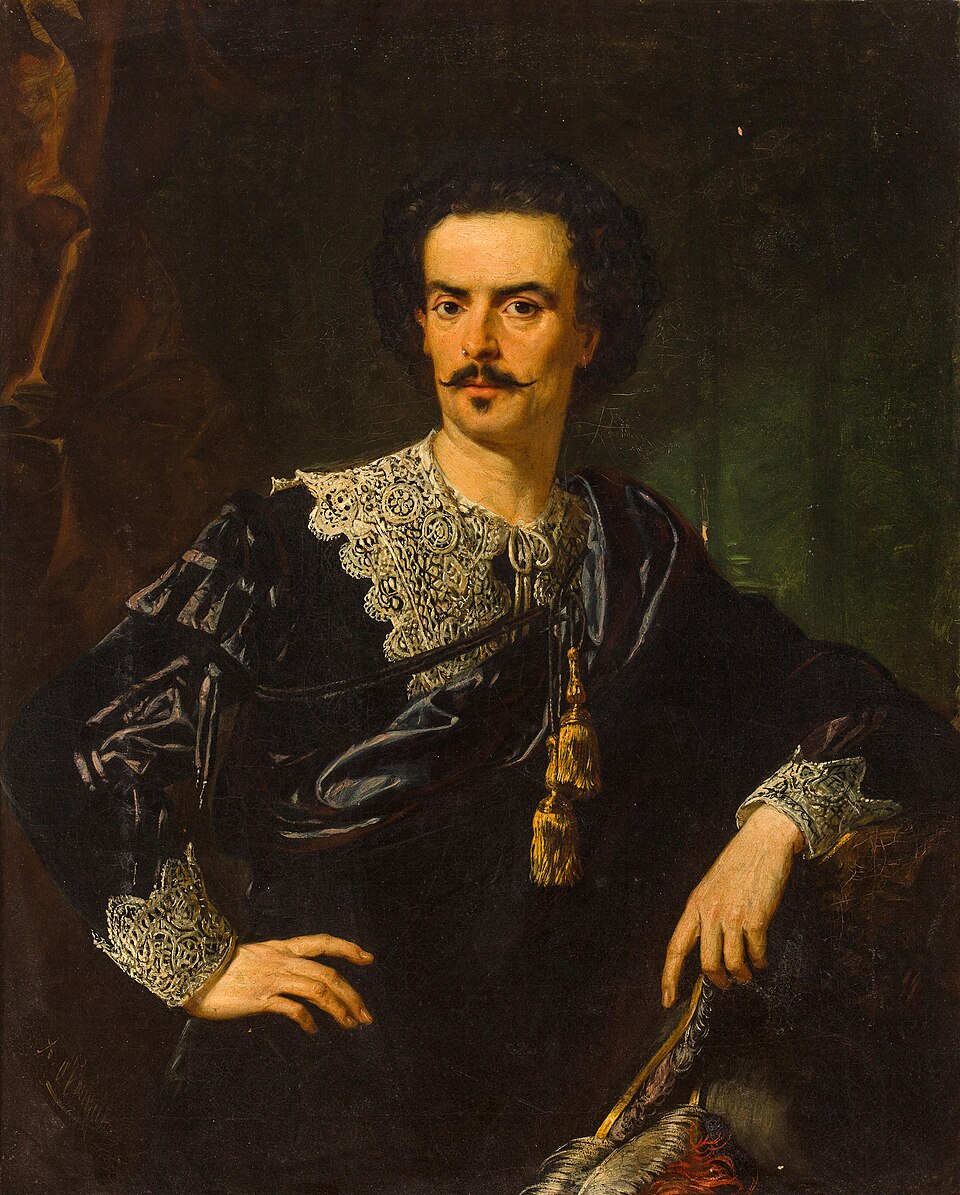
King Ludwig II of Bavaria looked like a fairy-tale monarch, but he lived like a man trying to escape the real world. He poured his imagination into castles, especially Neuschwanstein, the dreamy fortress that later inspired millions of tourists. To his admirers, he was a romantic genius with a taste for art, beauty, and Wagner’s music. To his ministers, he was a dangerously absent ruler, spending huge sums while withdrawing deeper into fantasy.
His end was as mysterious as the life he built around himself. In 1886, Ludwig was declared insane, removed from power, and taken to Schloss Berg near Lake Starnberg. Days later, he and his psychiatrist were found dead in the water. The official story left many people unsatisfied, which is why Ludwig still feels more like a royal ghost, trapped between legend and scandal.
Crown Prince Rudolf of Austria
Crown Prince Rudolf had everything a future emperor was supposed to want, yet he seemed haunted by the life waiting for him. He was intelligent, restless, liberal-minded, and trapped inside one of Europe’s stiffest royal machines. His marriage was unhappy, his politics frustrated his father, and his private life became a maze of affairs, illness, and emotional collapse. Then came Mary Vetsera, the teenage baroness whose name would forever be tied to his ruin.
In January 1889, Rudolf and Mary were found dead at the imperial hunting lodge at Mayerling. The tragedy shook the Habsburg dynasty and damaged the direct line of succession. It also fed decades of rumors because royal courts rarely tell the whole truth when the truth is ugly. Rudolf’s life became a dark palace drama about a prince with a crown before him and no peace within him.
Joanna of Castile

Joanna of Castile is remembered by one of history’s cruelest nicknames, “Joanna the Mad.” Yet her story looks less like madness alone and more like grief, politics, and family control folded into one long punishment. She was the daughter of Ferdinand and Isabella, the wife of Philip the Handsome, and the mother of Charles V. On paper, she stood at the center of European power. In reality, the men around her kept taking that power from her hands.
After Philip died suddenly in 1506, Joanna’s grief became famous, especially the stories about her refusal to part from his body. Her father and later her son ruled in her name, while she spent decades guarded at Tordesillas. She remained queen in name, but her life narrowed to confinement, suspicion, and silence. Her tragedy was not just that she suffered. It was that her suffering became useful to everyone who wanted her crown.
Ivan VI of Russia
Ivan VI became emperor of Russia as an infant, which sounds grand until you realize he had no idea what power was, and that it destroyed him. He was placed on the throne in 1740, then overthrown the following year when Elizabeth, daughter of Peter the Great, seized power. Most deposed royals at least remember losing something. Ivan was too young even to understand what had been stolen.
His childhood and adulthood unfolded in prisons, isolation, and secrecy. He grew up as a living threat to whoever sat on the Russian throne, a man dangerous simply because of his name. In 1764, a soldier tried to free him and restore him to power. Ivan’s jailers killed him during the attempt. His life is one of the bleakest royal stories because he was punished for a crown he never chose and barely wore.
Empress Elisabeth of Austria

Empress Elisabeth, better known as Sisi, was admired for her beauty, but beauty became another prison. She entered the Austrian court as a young Bavarian duchess and soon clashed with its suffocating rules. She hated rigid etiquette, traveled obsessively, and became a restless figure who seemed always to be moving away from the role history assigned her. The public saw glamour. Inside the palace, her life carried loneliness, grief, and a desperate hunger for freedom.
Her son Rudolf’s death at Mayerling broke something that never truly healed. Years later, in 1898, Elisabeth was visiting Geneva when an Italian anarchist stabbed her. At first, the wound seemed almost unreal, small enough that she continued walking before collapsing. That strange detail made her death feel even more haunting. A woman who spent her life running from the cage of royalty was finally killed because the world recognized her as royal.
Charles II of Spain
Charles II of Spain inherited one of Europe’s greatest crowns and one of its most damaged dynastic bloodlines. The Spanish Habsburgs had married within a tight family circle for generations, and Charles became the human symbol of that dangerous tradition. He struggled physically, politically, and personally, surrounded by a court that often treated his body and future like national emergencies. His life was strange because he was both king and a warning sign.
He died childless in 1700, and his death cracked open a European crisis. Rival powers fought over who should inherit Spain’s vast empire, leading to the War of the Spanish Succession. Charles did not end as a conquering ruler or a commanding monarch. He was the final, fragile link in a dynasty that had tried to preserve power through blood and ended up poisoning its own future.
Tsarevich Alexei of Russia

Tsarevich Alexei was born as the long-awaited male heir of Nicholas II, the last tsar of Russia. His birth should have strengthened the Romanov dynasty, but it brought a dangerous secret into the palace. Alexei had hemophilia, a condition that made bleeding episodes potentially deadly. His parents panicked over his health, and that fear helped bring Rasputin into the royal family’s private world.
The strange part of Alexei’s life is that a sick child became tied to the fate of an empire. Rasputin’s influence damaged public trust in the monarchy, while revolution gathered force outside the palace walls. In 1918, Alexei was killed with his family in Yekaterinburg at just 13 years old. He never ruled, yet his illness, secrecy, and tragic death became part of the final collapse of imperial Russia.
Conclusion
These royal lives prove that a crown can be less like a prize and more like a trap lined with velvet. Ludwig escaped into castles, Rudolf into doomed romance, Joanna into grief, Ivan into prison, Elisabeth into restless travel, Charles into dynastic decay, and Alexei into a secret illness that shook an empire. Each story feels strange because royalty magnified ordinary human pain until it became history.
Their tragedies still fascinate us because they break the fantasy clean in half. Palaces can hide loneliness. Titles can invite danger. Bloodlines can become cages. Behind every golden portrait, there may be a person quietly disappearing under the weight of what the world expects them to be.