7 Science‑Backed Ways to Boost Your Vitamin D Levels Naturally
Vitamin D plays a pivotal role in our health. It supports bone strength, fortifies immune defenses, regulates mood, and helps the body absorb calcium and phosphorus.
Despite its importance, many adults worldwide have suboptimal vitamin D levels, especially in regions with less consistent sunshine.
Rather than relying solely on supplements, there are natural, effective ways to raise your vitamin D levels that fit seamlessly into everyday life.
Below, we explain seven evidence‑based strategies that make boosting vitamin D simple, sustainable, and rooted in real lifestyle habits.
Get Sensible Sun Exposure Daily

Sunlight is the most potent natural source of vitamin D. When your skin is exposed to UVB rays, it synthesizes vitamin D3, the most efficient form of the vitamin.
Moderate exposure of 10–30 minutes several times per week is often enough, depending on your skin tone, time of day, and geographical location. People with darker skin may need slightly longer exposure, while those in high‑UV areas should be mindful to avoid sunburn.
Aim for sun exposure between 10 a.m. and 3 p.m. when UVB rays are strongest. Exposing arms and legs while protecting your face with a hat or shade can strike a balance between vitamin D production and UV safety.
Choose Vitamin D‑Rich Foods
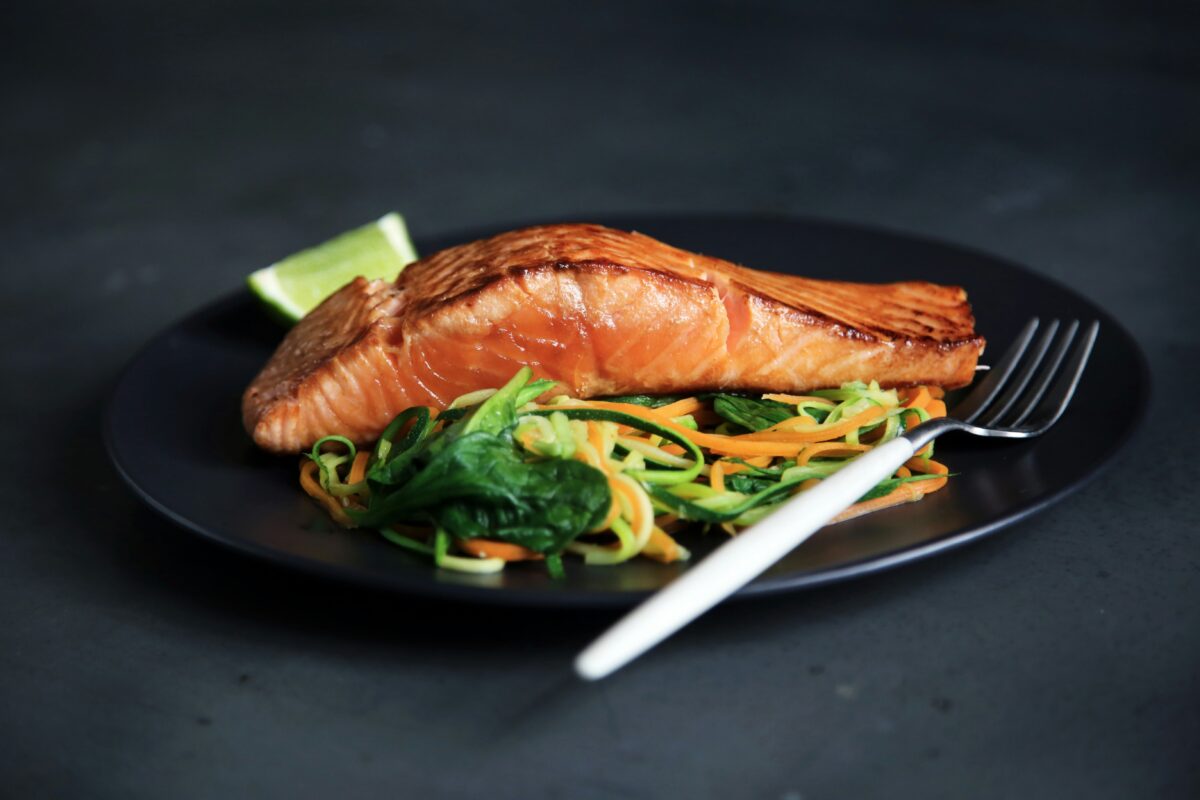
Only a handful of foods naturally contain meaningful amounts of vitamin D, so it helps to include these in your meals regularly:
- Fatty fish: Salmon, mackerel, sardines, and trout are among the richest natural sources.
- Liver: Beef liver provides modest vitamin D, along with iron and B vitamins.
- Egg yolks: A versatile addition to many meals with small doses of vitamin D.
- Mushrooms: Especially UV‑exposed mushrooms, which can produce vitamin D2.
Fatty fish like salmon delivers a particularly powerful dose — a single serving can rival many daily supplement amounts.
Choose Fortified Foods
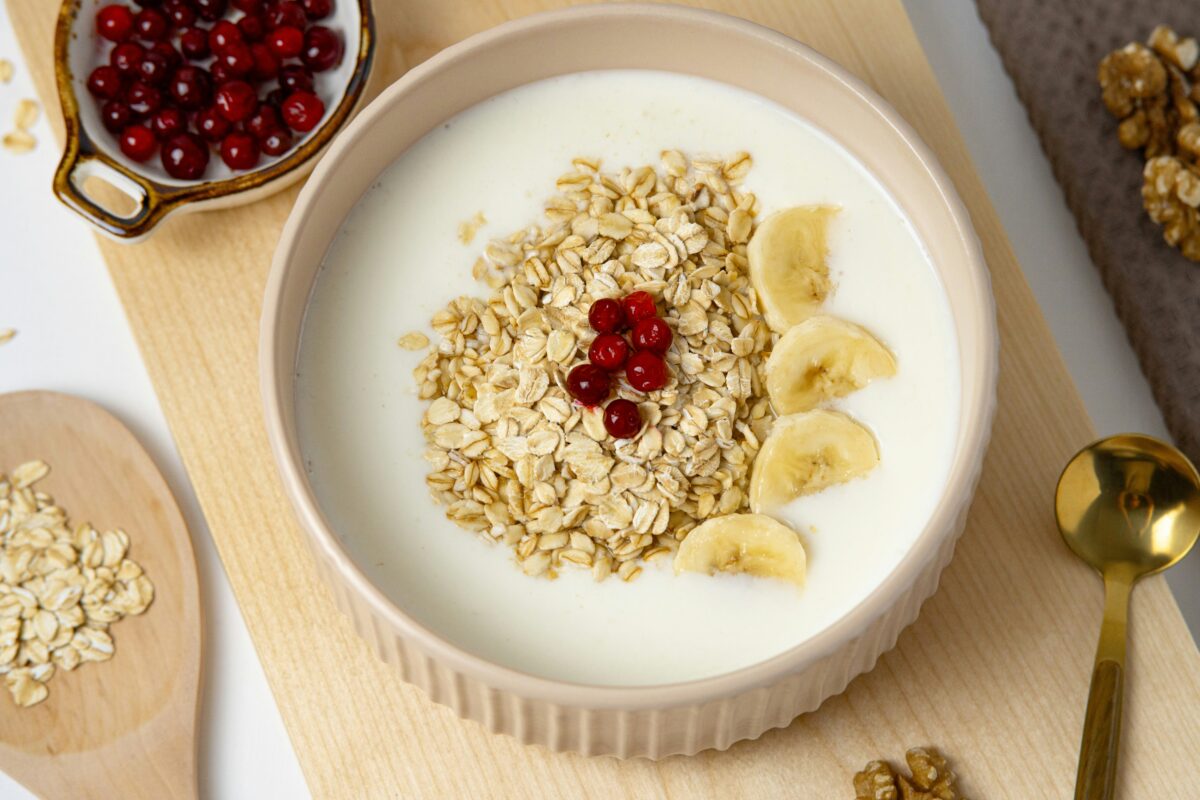
Because so few foods naturally contain vitamin D, many are fortified to help fill the gap:
- Fortified dairy and plant milks (almond, soy, oat)
- Fortified cereals and oatmeal
- Fortified orange juice
These fortified choices are easy staples that can steadily elevate your daily vitamin D intake, particularly when paired with balanced meals.
Safely Increase Outdoor Activities

Vitamin D production is directly tied to outdoor time. Turning everyday routines into opportunities for sunlight exposure makes a big difference without changing your schedule.
- Eat lunch outdoors when possible.
- Take a brisk morning walk or afternoon break outside.
- Exercise outdoors, such as biking, jogging, or gardening.
Even wintertime sunlight can trigger vitamin D synthesis on clear days, though latitude and weather will affect this considerably.
Incorporate Healthy Fats With Vitamin D Foods

Vitamin D is fat‑soluble, meaning dietary fat enhances its absorption. Pair vitamin D‑rich foods with healthy fats to improve uptake:
- Add olive oil to cooked fatty fish or vegetables.
- Serve salmon with avocado or nuts.
- Cook eggs in olive oil or butter.
This isn’t a huge shift, just pairing foods intentionally to make vitamin D more effective in the body.
Maintain a Healthy Weight

Emerging research suggests vitamin D levels can be lower in people with higher body fat percentages. Vitamin D can become sequestered in adipose tissue, lowering its circulating levels.
Regular exercise, balanced nutrition, and strategies to maintain a healthy weight support not only vitamin D status but also overall metabolic health. This isn’t a quick fix, but long‑term lifestyle habits matter.
Monitor Levels With Professional Guidance
Even with lifestyle changes, checking your vitamin D levels ensures you’re on the right track. A simple blood test (25‑hydroxyvitamin D) can show whether you’re deficient, sufficient, or somewhere in between.
If levels remain low despite natural approaches, a clinician may recommend targeted supplementation tailored to your needs, especially if you have limited sun exposure, a darker skin tone, older age, or certain health conditions.
Key Takeaways
Rising vitamin D naturally isn’t about one “magic” strategy. It’s the sum of smart lifestyle changes:
- Safe, regular sunlight exposure
- Nutrient‑dense foods and fortified staples
- Outdoor activity and balanced meals
- Long‑term habits supported by health monitoring
Incorporating these steps into daily life empowers your body to access and use vitamin D effectively, giving your bones, immune system, and mood a solid foundation.
Let us know if you’d like printable meal ideas, a weekly vitamin D meal plan, or recommended routines to fit your specific schedule.