7 Signs a Gas Pump or Card Reader Has a Skimmer on It
Thanksgiving week is one of the busiest travel times of the year. Millions of Americans are filling up their tanks on the way to Grandma’s house, stopping at unfamiliar gas stations along the highway and swiping cards at busy stores to grab last-minute groceries. It is also one of the best weeks of the year for card thieves.
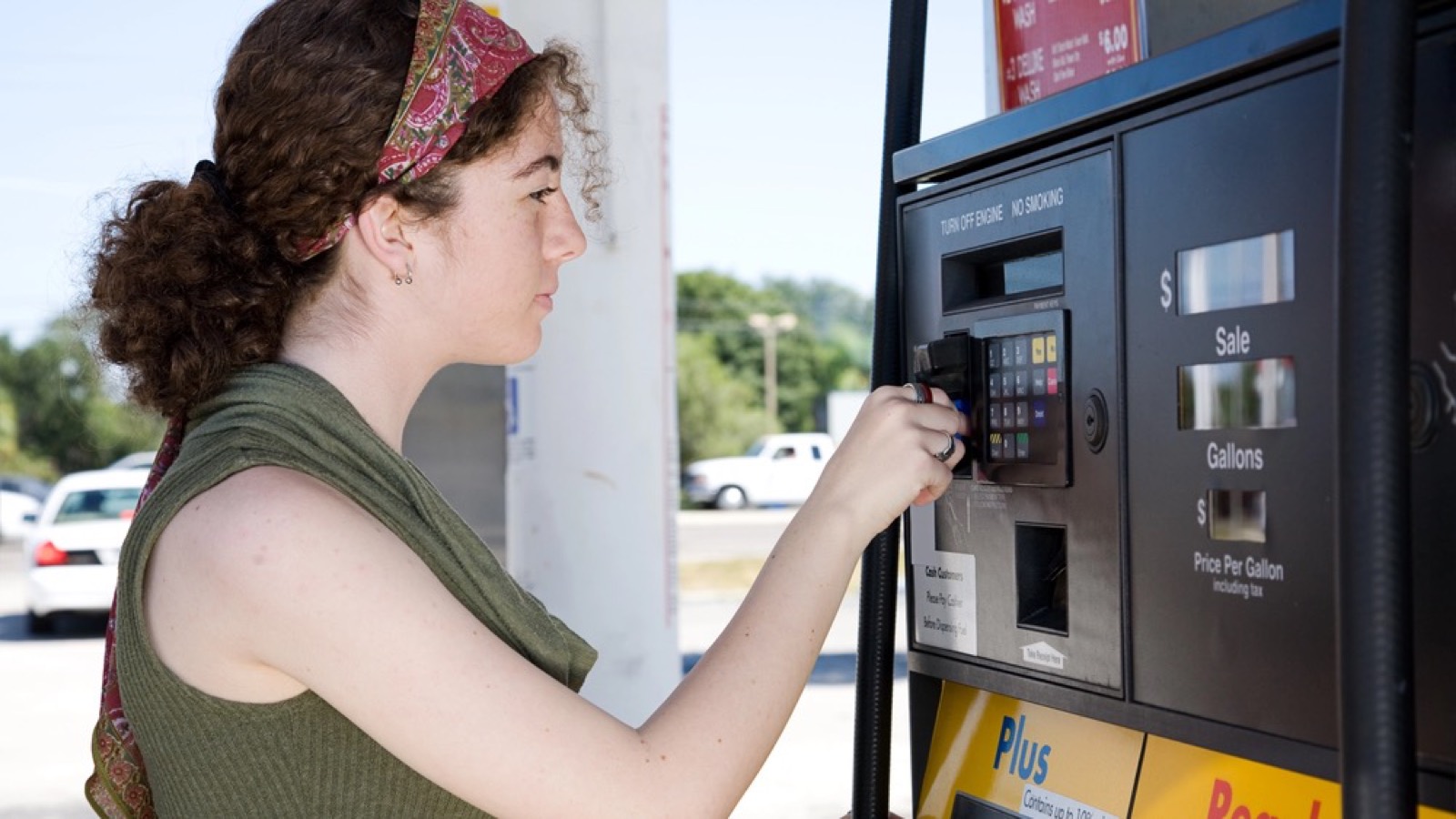
Criminals hide small devices called skimmers inside or on top of card readers at gas pumps, ATMs and store checkout lanes. These devices quietly copy the information from your card when you swipe or insert it. Some come with tiny hidden cameras or fake keypads that capture your PIN as well. Days or weeks later, the thief uses that information to drain a bank account or make purchases.
Federal authorities have warned for years that skimming costs consumers and banks a great deal of money every year, and gas pumps are one of the most common targets because they sit outside, are often unattended and see hundreds of customers a day. The good news is that many skimmers leave clues if you know what to look for. Here are seven signs a gas pump or card reader may have a skimmer on it, and what to do instead.
1. The Security Seal Is Broken
Many gas stations put a security tape or sticker across the pump’s cabinet door, the panel that opens to reach the inside of the machine. Thieves often need to open that panel to install a skimmer. If the seal is torn, peeled back, cut or says “void” in the middle, someone may have opened the pump.
Some states require stations to use these seals, and many inspect pumps for skimmers on a regular basis. Before you swipe, take two seconds to glance at the panel. If anything looks disturbed, move to a different pump or pay inside with the cashier.
2. The Card Slot Looks Different From the Others
Thieves sometimes attach a fake card reader over the real one. These overlays are designed to look like part of the machine, but they are rarely perfect. Compare the card slot on your pump to the ones on the pumps next to it. If yours sticks out more, has a different color, looks bulkier or has a different shape, be suspicious.
The same goes for ATMs and checkout terminals. A reader that looks newer, older or shinier than the rest of the machine may have been tampered with.
3. The Reader Wiggles or Feels Loose
Real card readers are built into the machine and should feel solid. Give the slot a gentle tug or wiggle before you insert your card. If it moves, shifts or feels like it might come off in your hand, there could be an overlay attached.
Many people have found skimmers this way and reported them to police. It feels a little strange to pull on a machine, but it takes only a second and could save you a lot of trouble.
4. The Keypad Feels Thick or Spongy
Some criminals place a fake keypad over the real one to record your PIN. These overlays often make the buttons feel thicker, softer or harder to press than usual. The keypad may also sit higher than the surrounding surface.
If the keys feel strange, cancel the transaction and use another machine. And whenever you type a PIN, cover the keypad with your other hand, which protects you from hidden cameras even if the keypad itself is real.
5. You Spot a Tiny Hole or Camera
Thieves who cannot install a fake keypad often hide a small camera nearby to watch people enter their PINs. These cameras may be tucked into a brochure holder, a light bar above the screen or a small strip attached to the machine. Some look like nothing more than a pinhole.
Take a quick look around the top and sides of the keypad. Anything that seems out of place, such as an extra panel, a small box or a strange hole, is a reason to walk away.
6. The Pump Is Far From the Store
Thieves prefer pumps that are hard for employees to see, because they can install devices without being noticed. Pumps at the far end of the station, around a corner or hidden from the cashier’s window are more likely to be targeted.
When you can, choose a pump with a clear view of the store. It is a simple habit that lowers your risk, especially at night or at stations you do not know.
7. Your Card Gets Rejected for No Reason
Sometimes a skimmer interferes with the real reader. If your card is declined at a pump for no clear reason, or the machine asks you to swipe again and again, something may be wrong with the reader. Do not keep trying. Move to another pump or pay inside.
It is also worth watching your account afterward. If you notice charges you did not make, call your bank right away.
Ways to Protect Yourself Every Time
The safest option is to avoid swiping at all. Tap-to-pay cards and phone wallets like Apple Pay and Google Pay send a one-time code instead of your actual card number, which makes them much harder to steal through a skimmer. Many gas pumps now accept contactless payment.
Chip cards are also safer than swiping the magnetic stripe, although criminals have developed thin devices called “shimmers” that target chip readers, too. When you have the choice, tap first, insert the chip second and swipe only as a last resort.
Many people also prefer using a credit card instead of a debit card at gas pumps. Credit cards are not connected directly to your bank account, and federal law limits your liability for fraudulent charges. With debit cards, the Consumer Financial Protection Bureau explains that your protection depends on how quickly you report the problem.
What to Do if You Find a Skimmer
If you think you have found a skimmer, do not try to remove it yourself. Tell the gas station attendant or store manager, and consider calling local police. Skimmers are evidence, and investigators may be able to use them to track down the people who installed them.
If you already used a machine that turns out to have a skimmer, call your bank or card company immediately. Ask them to cancel the card, send a new one and watch for suspicious activity. Most banks offer free text or app alerts for every transaction, which can help you catch fraud within minutes.
Stay Alert This Holiday Season
Holiday travel brings crowded stations, long lines and plenty of distractions, which is exactly what card thieves count on. A quick look at the pump, a gentle tug on the reader and a hand over the keypad take only seconds, but they can save you weeks of headaches.
Share these tips with older parents and grandparents, too. Many of them still prefer to swipe a card or use a debit card at the pump, and they may not know how common skimmers have become. A short conversation before everyone hits the road this week could protect the whole family.