7 Things About Modern Restaurants That Older Diners Can’t Stand
There was a time when going out to eat felt like a special occasion. You sat down, a waitress handed you a menu, took your order and brought you a hot plate of food in a dining room where you could actually hear each other talk. If you were lucky, there was a basket of warm rolls on the table before you even ordered.
Ask diners over 60 about restaurants today, and many will tell you that experience has changed, and not always for the better. Prices have climbed, menus have moved onto phones and some dining rooms are so loud you’d think you were at a rock concert. For people who grew up with diners, supper clubs and family steakhouses, it can feel like a different world.
Not every change is bad, and plenty of older Americans love trying new restaurants. But some modern trends drive them up the wall. Here are the things about modern restaurants that older diners say they just can’t stand.
1. QR Code Menus
During the pandemic, many restaurants swapped paper menus for QR codes that diners scan with a smartphone. Some have kept them ever since. For many older diners, it’s one of the most frustrating changes in modern dining.
Not everyone has a smartphone, and those who do may struggle to read tiny text on a small screen. Others simply prefer to hold a menu, flip through it and talk about the options with the people at the table. Many restaurants now offer paper menus on request, but older diners wish they didn’t have to ask.
2. Dining Rooms That Are Too Loud
One of the most common complaints from older diners is noise. Many modern restaurants are designed with hard surfaces, like concrete floors, exposed brick, metal chairs and open kitchens, that bounce sound around the room. Add loud music, and it can be nearly impossible to hold a conversation.
The problem is especially tough for people with hearing loss, which becomes more common with age. According to federal health researchers, about one in three people between 65 and 74 has hearing loss. For them, a loud restaurant can turn a nice dinner into an exhausting evening.
3. Tipping Screens Everywhere
Tipping used to be simple. You tipped your waitress at a sit-down restaurant and maybe left a little change at the diner counter. Today, it seems like every counter, coffee shop and takeout window flips around a screen asking for a tip of 18, 20 or 25 percent.
Older diners often find this confusing and uncomfortable, especially when the tip is requested before any service has been provided. Many wonder why they should tip for a muffin handed across a counter. Surveys from groups like the Pew Research Center have found many Americans believe tipping is expected in more places than it used to be.
4. Tiny Portions at Big Prices
Many older diners remember when a restaurant meal came with a salad, a side, bread and a generous main course. Today, some upscale restaurants serve small plates meant for sharing, with prices that can make a family dinner add up quickly.
Older diners often grumble about paying $18 for a few bites of food arranged artfully on a big white plate. They appreciate good cooking, but they also like to leave the table full. Many prefer old-fashioned family restaurants and diners where portions are hearty and leftovers come home in a box.
5. Missing Bread Baskets and Free Refills
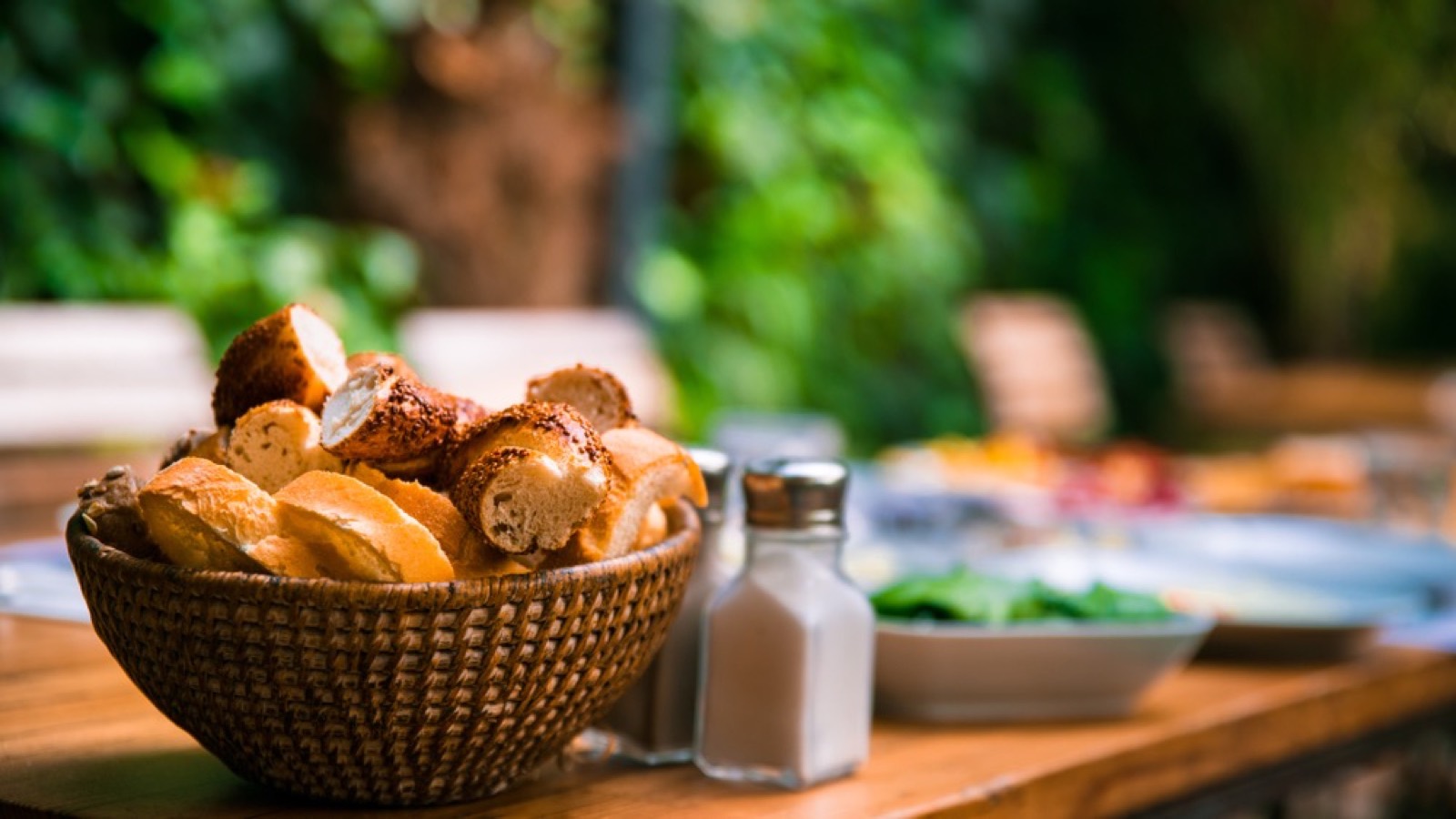
The free basket of rolls or a warm loaf of bread used to be standard at many restaurants. Today, some places have dropped it entirely or started charging for it. Older diners often see this as a sign that restaurants are cutting corners.
The same goes for free refills on coffee and soft drinks, which used to be a given at many diners and family restaurants. Some places now charge for every cup. For people who remember bottomless coffee at the local diner, paying for a second cup can feel like a small insult.
6. Hard-to-Read Menus and Dim Lighting
Many trendy restaurants keep the lights low to create a cozy mood. Add a menu printed in a small, fancy font, and older diners may find themselves squinting or pulling out a phone flashlight just to see what’s for dinner.
Menus with unfamiliar words and ingredients can add to the confusion. Older diners say they’d rather see clear descriptions of what they’re ordering. Some restaurants now keep reading glasses on hand for guests who forget theirs, a small courtesy that many older diners appreciate.
7. Feeling Rushed Out the Door
Older diners often enjoy lingering over a meal, ordering coffee and dessert and talking long after the plates are cleared. But some modern restaurants operate on tight schedules, with reservations set for 90 minutes and servers dropping the check before anyone asks for it.
Many older diners feel this takes the joy out of eating out. They grew up in an era when the table was yours for the evening. Being hurried along can make them feel unwelcome, especially when they’ve spent good money on the meal.
Why These Changes Happened
Many of these changes have practical reasons behind them. Restaurants face rising costs for food, rent and labor, and many operate on thin profit margins. Charging for bread, using QR codes and turning tables faster can help them stay in business.
The design trends that make restaurants loud are partly about style and partly about cost, since hard surfaces are easier to clean and maintain. Tipping screens became common when point-of-sale systems made them easy to add. Understanding the reasons doesn’t make them less annoying, but it explains why they’re everywhere.
What Older Diners Still Love
Despite their complaints, many older Americans still love eating out. They often stick with the restaurants that treat them well, like the local diner where the waitress knows their order, the family Italian place with red-checked tablecloths or the steakhouse that’s been around for decades.
Some restaurants have noticed. They offer early-bird specials, quieter seating areas, large-print menus and friendly service. Older diners tend to be loyal customers, and restaurants that cater to them can earn regulars for years.
Good Food Never Goes Out of Style
At the end of the day, what most diners want is simple: good food, fair prices, friendly service and a comfortable place to enjoy a meal with people they love. Older Americans have been eating out for decades, and they know a good restaurant when they find one.
Restaurants that remember those basics, while still offering a paper menu and a quiet table, may find they have a whole generation of grateful customers. And the ones that bring back the bread basket might just win them over for good.