Only People Who Grew Up in the 1950s Remember These 10 School Rules
If you sat in a classroom in the 1950s, you probably still remember standing when the teacher walked in, keeping your hands folded on the desk, and never, ever chewing gum. School came with a long list of rules that were simply understood, and breaking one often meant a note sent home.
Plenty of those rules have softened or disappeared. Here are 10 that anyone who went to school in the Eisenhower years will recognize right away, along with a little history behind a few of them.
1. Stand Up When the Teacher Enters
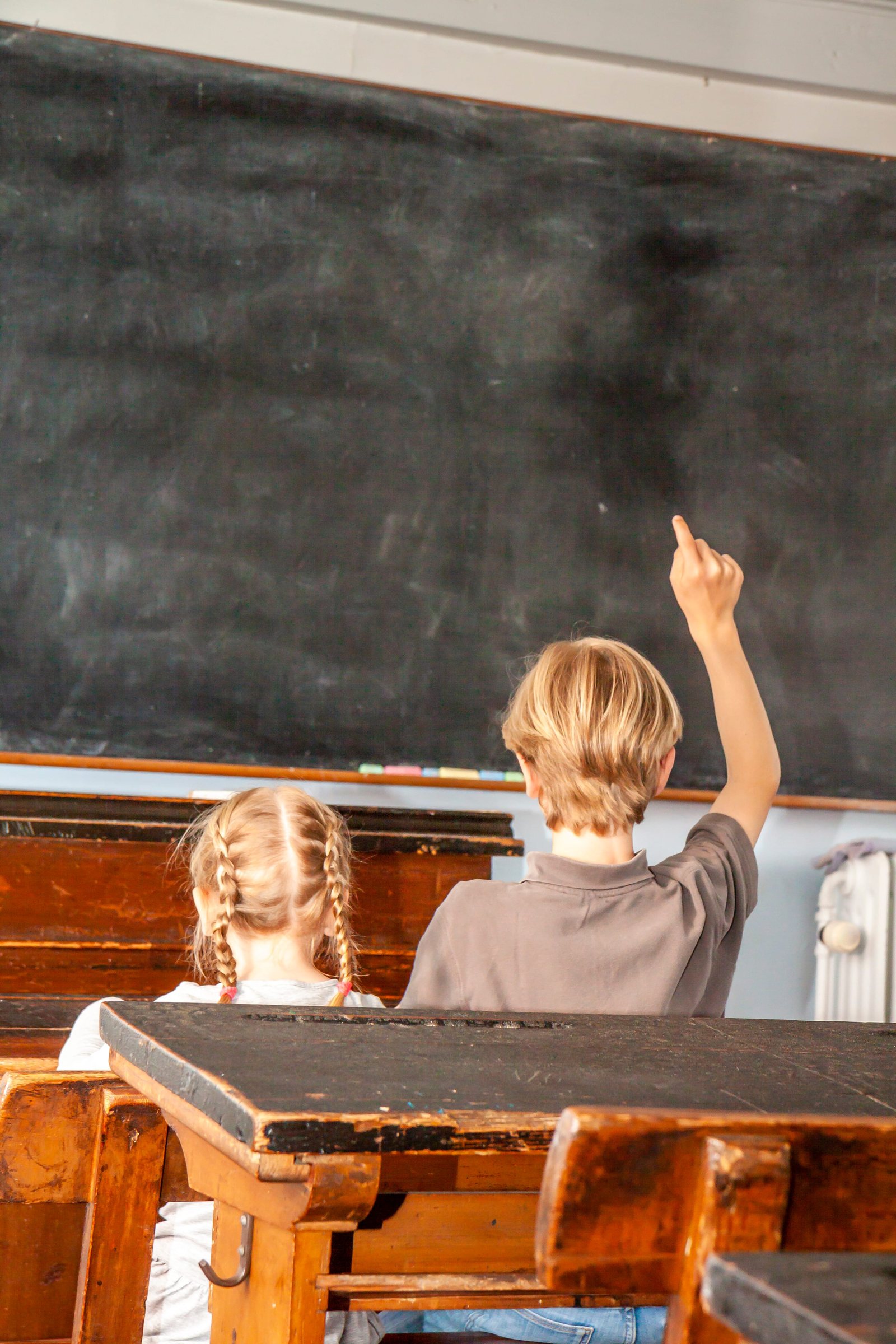
In many classrooms, students rose to their feet when the teacher or principal walked in and stayed standing until told to sit. It was a small gesture of respect, and it fit right in with the era’s long list of rules boomer kids grew up with that seem strict now, from table manners to bedtimes.
2. Hands Folded on Top of the Desk
When the lesson began, hands went on the desk, fingers laced, eyes forward. Fidgeting, tapping a pencil, or passing notes could earn a stern look or a trip to the corner, and most kids learned quickly that stillness was part of the grade. Parents of that era backed teachers up at home, which is a big part of why so many people say they were raised to be well-behaved children who knew what was expected of them.
3. Penmanship Practice Every Single Day
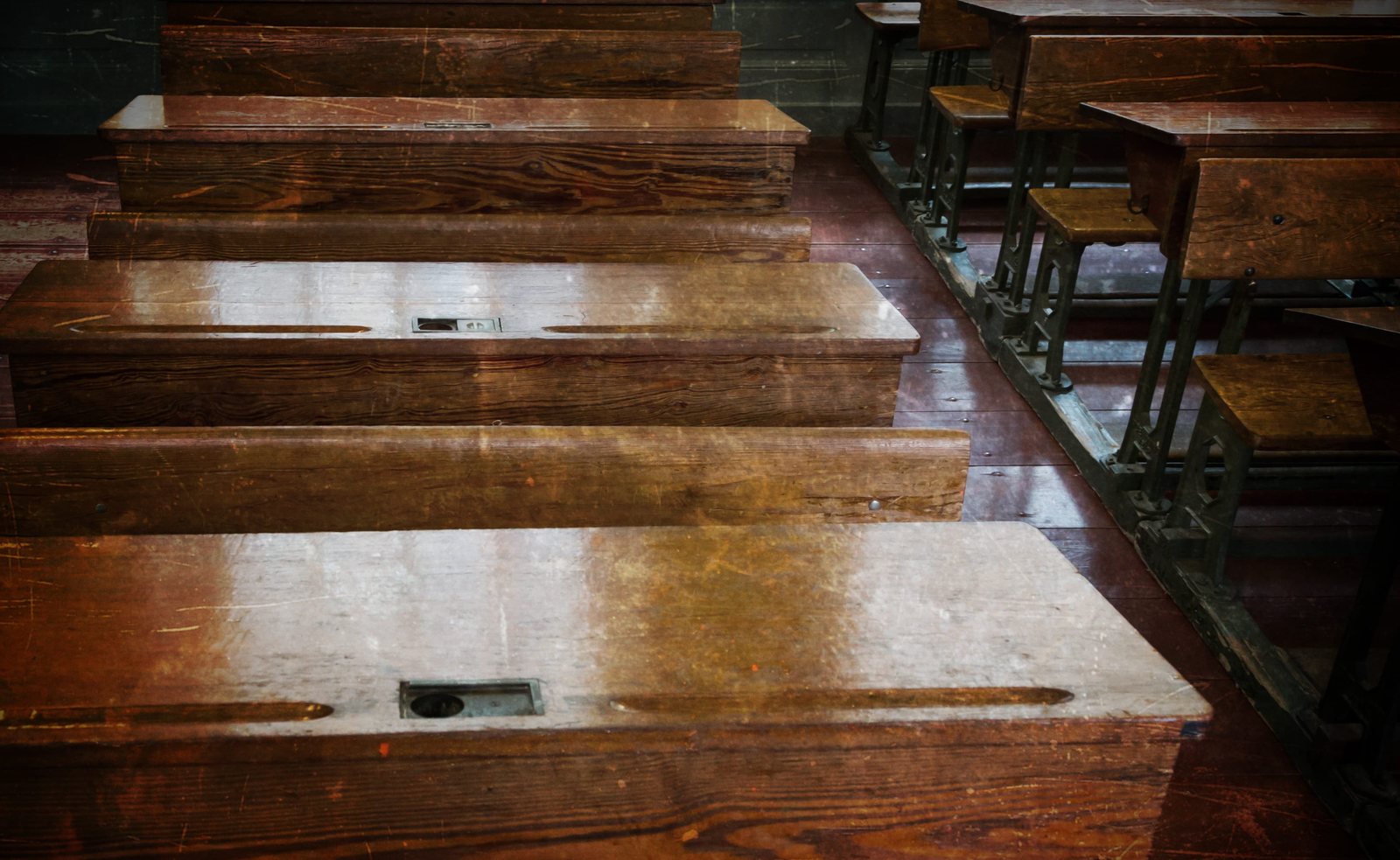
Cursive was not optional. Students filled pages with loops and slants until their letters looked just right. According to The Henry Ford museum’s history of American handwriting, the Palmer Method relied on repeated muscle movements meant to become habit, and it shaped how generations of Americans were taught to write. The museum also notes that school desks with built-in inkwell holes were still in use into the 1960s.
4. Address Adults as Mr., Mrs., or Miss
Teachers were never called by their first names, and many students would not have known them anyway. “Yes, ma’am” and “No, sir” were the expected replies, a habit that a lot of people from that generation still carry today. It is the kind of courtesy that shows up on lists of boomer habits that are making a comeback among younger families.
5. Duck and Cover When the Drill Bell Rang
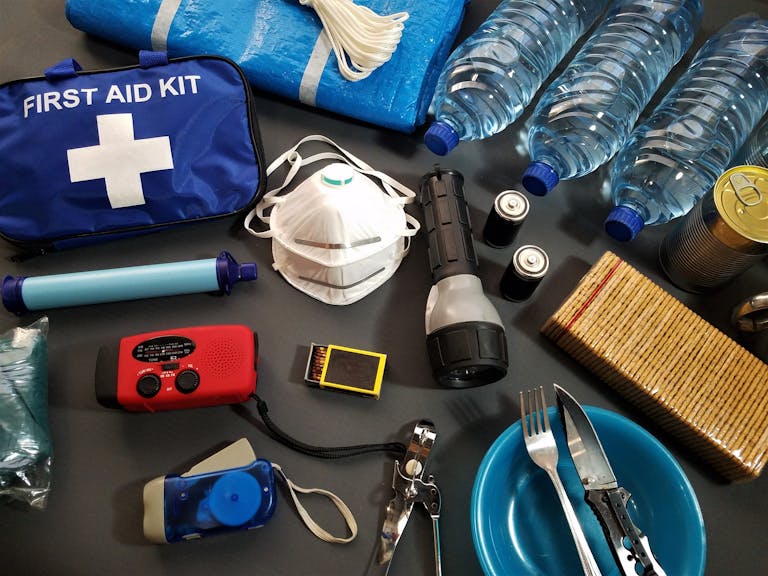
Few memories are as specific to 1950s classrooms as crouching under a desk with arms over your head. The Library of Congress describes Duck and Cover as an animated instructional film starring Bert the Turtle, made in cooperation with New York public schools, that taught children what to do at school or on the street if a warning came. The film was later selected for the National Film Registry, and many former students can still hum its jingle.
6. No Gum, No Exceptions
Getting caught chewing gum often meant standing at the wastebasket while the whole class watched you spit it out. Some teachers made repeat offenders stick it on their nose. Rules like this were part of a broader idea of classroom order that today gets debated on lists of social norms some people think should be abandoned, though plenty of teachers still enforce it.
7. Bring Your Milk Money and Eat What Was Served
Kids carried a few coins for a carton of milk, and lunch was whatever the cafeteria ladies put on the tray. Picky eating was not encouraged, and clean plates were the goal. If you remember the creamed chipped beef and square pizza, you will enjoy this look back at school cafeteria lunches only people born before 1965 will remember.
8. Girls Wore Dresses, Boys Tucked In Their Shirts
Dress codes were strict and rarely questioned. Girls wore skirts or dresses, even in winter, and boys were expected to keep shirts tucked and hair neatly combed. Parents ironed school clothes on Sunday night so kids would look presentable, and a wrinkled outfit could earn a comment from the teacher.
9. Line Up Quietly and Walk, Never Run
Moving from the classroom to the lunchroom or playground meant forming a straight line, often boys in one and girls in another. Talking in the hallway was frowned upon, and running could send you right back to the starting point to try again.
10. Clap the Erasers After School
Being picked to clean the chalkboard and clap the felt erasers outside was an honor, even if you came back covered in white dust. Classroom jobs like this, along with watering the plants or carrying the attendance sheet to the office, were small rewards for good behavior.
For anyone who grew up in the 1950s, these rules were simply part of the school day. Some feel strict by today’s standards, while others, like respect for teachers and neat handwriting, still have plenty of fans. Either way, they shaped a generation of students who can still picture that chalkboard, those wooden desks, and the sound of the bell.