7 Things That Made a Trip to Dairy Queen Special in the 1960s
For kids growing up in the 1960s, few words sounded better than “Let’s go to Dairy Queen.” It usually meant a hot summer evening, the whole family piling into the station wagon, and a short drive to a little building glowing with neon light. Nobody needed a reason to go, but a good report card or a Little League win made it even sweeter.
Dairy Queen was already a familiar name by then. The first store opened in Joliet, Illinois, in 1940, and the chain grew fast, reaching about 2,600 locations by 1955, according to the history of Dairy Queen. In many small towns, the DQ was the main place for families and teenagers to gather on a summer night.
A trip there today is easy and quick, but back then it felt like an event. Here are seven things that made a visit to Dairy Queen so special in the 1960s, and why so many people who grew up then still smile at the memory.
1. The Famous Curl on Top
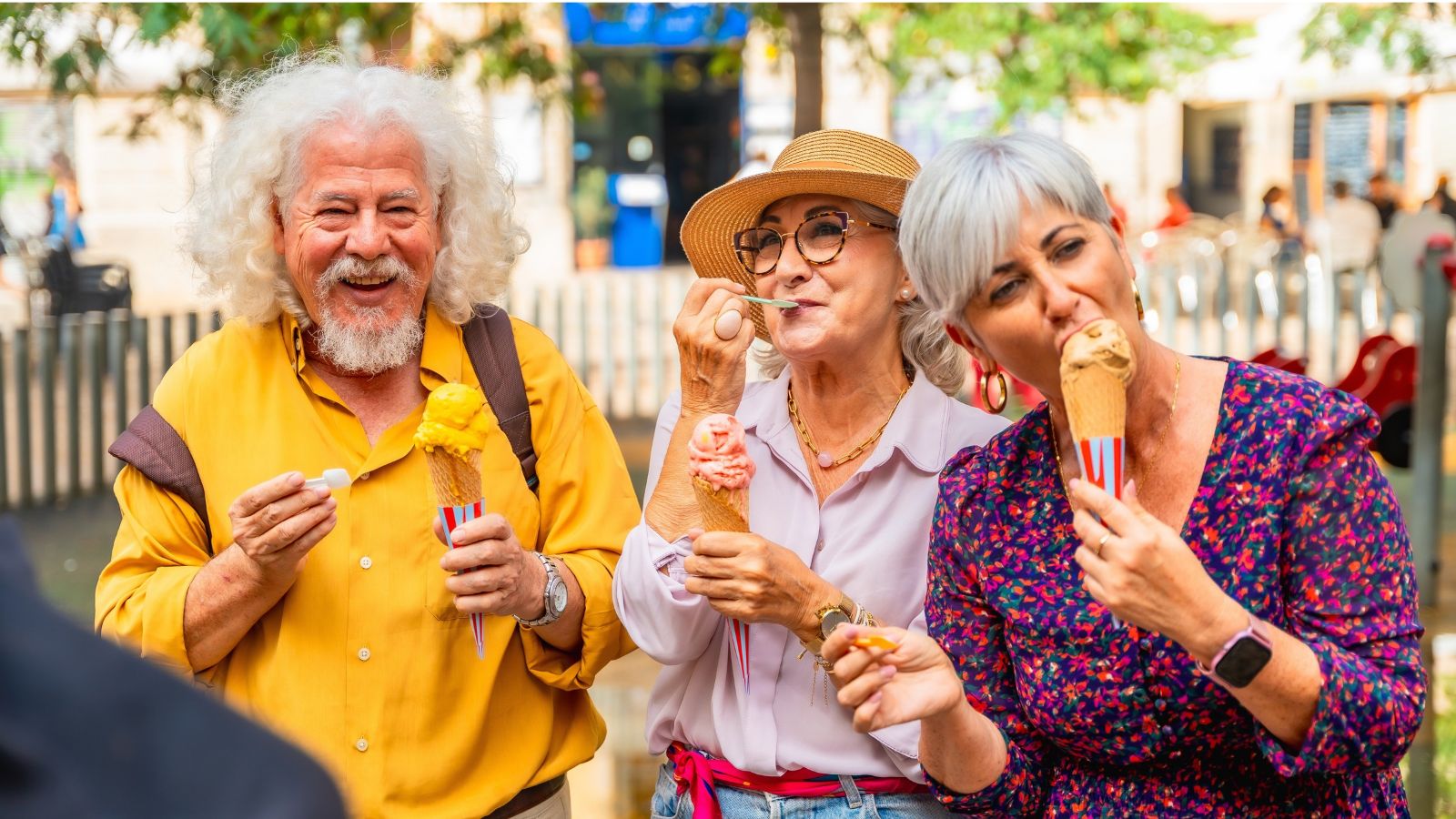
The soft serve cone with the signature curl on top was the star of every visit. Kids watched through the window as the worker pulled the lever and swirled the soft serve into a tall spiral, finishing with that perfect little twist at the top.
Soft serve itself still felt like a novelty to many families. It was smoother and lighter than the hard ice cream at home, and it melted fast in the summer heat, which meant licking around the edges as quickly as possible. A dipped cone, coated in chocolate that hardened into a shell, was the ultimate upgrade.
2. Walk-Up Windows and Picnic Tables
Many Dairy Queens in the 1960s had no indoor seating at all. Customers walked up to a sliding window to order, waited while their treats were made and then ate outside at picnic tables, on the hood of the car or right there in the parking lot.
That outdoor setup was part of the charm. Families ran into neighbors, teenagers gathered to show off their cars, and kids chased fireflies while their parents finished their cones. In many towns, the DQ parking lot was the closest thing to a community center on a summer night.
3. It Was Only Open in Warm Weather
In many parts of the country, especially the Midwest and North, Dairy Queen stores closed for the winter. The opening day in spring was a celebrated event, and the line on that first warm evening could stretch around the building.
That seasonal schedule made every visit feel special. You couldn’t get a cone whenever you wanted, so the months of waiting built up the excitement. Some small-town DQs still follow this tradition today, and locals mark their calendars for opening day.
4. The Dilly Bar
The Dilly Bar arrived in 1955, created by a store owner in Moorhead, Minnesota, and by the 1960s, it was a favorite. The round disk of soft serve on a wooden stick, dipped in a chocolate coating, was easy to eat and fun to hold, and it cost just a little bit of allowance money.
Kids loved it because it felt like a homemade version of a store-bought ice cream bar. Many people still remember the crack of the chocolate shell as they took the first bite, and the race to finish before the soft serve dripped down the stick.
5. The Banana Split as a Special Treat
Dairy Queen added banana splits to its menu in 1951, and for many kids in the 1960s, ordering one was a big deal. A split was a whole production: a banana sliced lengthwise, three mounds of soft serve, strawberry, pineapple and chocolate toppings, whipped cream and a cherry on top.
It was usually saved for birthdays or special celebrations, and it was often shared. Siblings negotiated over who got which topping, and parents usually ended up eating the leftover banana. Even today, many adults say a DQ banana split tastes like childhood.
6. The Arrival of Burgers and Hot Dogs
At first, Dairy Queen was mostly about frozen treats. That started to change when the Brazier menu, featuring broiled hamburgers and hot dogs, was introduced in Georgia in 1958 and later spread across the chain. Stores with the full food menu became known for their red mansard roofs.
For families in the 1960s, this meant a trip to DQ could become dinner and dessert in one stop. A burger, fries and a cone for the whole family was an affordable treat. Kids felt grown up ordering a real meal at the window, even if they were mostly thinking about the dessert that came next. For busy parents, it was also a welcome night off from cooking.
7. New Treats That Felt Exciting
The 1960s brought new items that made every visit feel like a chance to try something different. The Buster Bar, with soft serve, peanuts and a chocolate coating, was invented in 1962 by a store operator in Grafton, North Dakota. Dairy Queen also sold the Mr. Misty, a colorful slush drink that kids loved on hot days.
Interestingly, Dairy Queen sold thick milkshakes called “Blizzards” in the 1960s, long before today’s famous Blizzard with mix-ins arrived in 1985. People who remember the 1960s DQ are often surprised to learn that the name was used decades earlier for something very different.
Why the Memories Still Feel So Sweet
What made Dairy Queen special in the 1960s wasn’t just the soft serve. It was the whole experience, from the drive in the station wagon to the summer air and the feeling of a treat that didn’t happen every day. In many towns, the DQ was where friendships started and families made memories.
Prices were part of the magic, too. A small cone cost just a few coins, so even kids with a modest allowance could treat themselves. Many people who grew up in that era remember counting out nickels and dimes at the window, feeling proud to pay for their own treat for the very first time.
Many of those original buildings are gone, but some old-fashioned walk-up locations still exist along America’s back roads, alongside other roadside attractions that draw nostalgic travelers. If you come across one this summer, stop for a dipped cone. It might be the closest thing to a time machine you’ll find.