In-N-Out’s Six New Restaurants Show a Bigger Burger Expansion Strategy Taking Shape
In-N-Out Burger is not spreading quickly across the country like most fast-food chains. Instead, it is taking its time, using scarcity, control, and patience to build its brand.
The California-based chain now has six new restaurants marked as “opening soon” in five states, giving new energy to one of the most closely followed stories in American fast food.
The planned locations are in Commerce and Stockton, California; Madison, Tennessee; San Tan Valley, Arizona; St. George, Utah; and Twin Falls, Idaho. Opening dates have not yet been announced.
For customers, this means more chances to enjoy a Double-Double without leaving their state. For the restaurant industry, it signals something bigger. In-N-Out is expanding its reach while keeping the strong discipline that made it famous.
Why the Tennessee Expansion Matters Most
Madison, Tennessee, is part of a bigger plan for Middle Tennessee that In-N-Out has been working on for years. In 2023, Tennessee officials said In-N-Out would invest $125.5 million to set up an eastern territory office in Franklin, creating 277 jobs in Williamson County.
That office was designed to support operations, management, human resources, IT, and future restaurant growth in the region.
This is important because In-N-Out does not expand without careful planning. Entering a new market takes more than just renting a building and hiring staff. It needs strong distribution, training, leadership, supply control, and enough support to keep the brand’s main promise.
Tennessee gives the company a southern base while keeping the expansion close enough to its standards-driven supply network.
The Madison location is part of a bigger regional plan. Restaurants in the Nashville area give In-N-Out access to a fast-growing city, lots of commuters, many tourists, and customers who already like national food brands.
Unlike chains that expand through aggressive franchising, In-N-Out is building the region from the inside out.
Why In-N-Out Still Refuses to Franchise
In-N-Out’s way of expanding is different because it does not franchise its restaurants. This choice changes everything. It slows down growth, but it keeps things consistent. It also lets the company control food quality, training, pay, service, and the customer experience.
That is why In-N-Out can remain both famous and unavailable in large parts of America. The company has more than 430 restaurants across 10 states, with California still its largest market.
ScrapeHero’s June 2026 location report counted 437 In-N-Out restaurants in the United States, including 289 in California, or about 66% of the chain’s national footprint.
For such a popular brand, there is a lot of pressure to franchise across the country. Many companies would go after quick profits. In-N-Out has picked a tougher route: steady growth, no shortcuts, and keeping the restaurant experience strong.
Fresh Ingredients Explain the Slow Expansion Model
The main reason In-N-Out does not open restaurants everywhere is its focus on fresh food. The company is known for made-to-order burgers, hand-cut potatoes, real ice cream shakes, and beef patties made under its own quality standards.
Tennessee’s economic development announcement clearly described the chain’s food model: burgers are made to order, fries are made from fresh whole potatoes, shakes use real ice cream, and nothing is frozen or microwaved.
This way of operating limits how far In-N-Out can expand. Its restaurants need to stay close to the supply network to keep food fresh. Simply put, In-N-Out cannot act like other national burger chains without giving up what makes it unique.
This is the challenge with every new opening. Fans want more locations, and the company wants more customers. But the brand only succeeds if a burger in Tennessee tastes the same as one in California, and if the customer experience feels the same everywhere.
California Still Remains the Heart of In-N-Out
The two new California locations, Commerce and Stockton, show that In-N-Out is not abandoning its base even as it grows elsewhere. California remains the brand’s historical and emotional center.
The company was founded in 1948 by Harry and Esther Snyder in Baldwin Park, California, and built its early reputation on drive-thru convenience, simple food, and unusually loyal customers.
Even as In-N-Out grows in Tennessee, Idaho, Arizona, and Utah, California is still where it has the most restaurants, the most loyal customers, and the strongest cultural connection.
This gives In-N-Out a special advantage. It can grow into new areas while staying rooted in a place where people see the brand as part of their local identity.
The Anti-App Strategy: Why In-N-Out Says No to Mobile Ordering
In-N-Out’s growth is also different because the company is not following some of the biggest trends in the restaurant industry. While other chains focus on delivery, apps, loyalty programs, and digital pickup, In-N-Out still values face-to-face service.
In a Pepperdine University conversation reported by Business Insider, Lynsi Snyder-Ellingson said the company is not pursuing private equity, delivery apps, or mobile ordering because the goal is to preserve quality, culture, and personal touch.
This choice might seem old-fashioned, but it is part of the brand’s strategy. Waiting in line and being greeted at the window are both important parts of the In-N-Out experience.
Seeing your food made to order is part of what makes In-N-Out special. Mobile ordering might make things faster, but it could also turn a unique experience into just another quick pickup.
We are seeing a company bet that human service still matters in fast food. That bet may be one reason customers treat new openings as local events rather than routine retail launches.
What the Six New Stores Reveal About In-N-Out’s Growth Map
The new locations reveal a careful three-part strategy. First, In-N-Out is deepening its presence in existing Western markets where its supply chain is already strong.
Second, it is opening in fast-growing suburbs like San Tan Valley and St. George. Third, it is turning Tennessee into a real eastern base, not just a test market.
This is not rapid expansion. It is careful, steady growth that remembers what made the brand valuable. In-N-Out is getting bigger, but it is not giving up the rules that made it special.
In-N-Out’s Bigger Lesson for the Fast-Food Industry
The six new restaurants show that In-N-Out can still grow without losing what makes it unique. That is the main point. In a business focused on size, technology, and speed, In-N-Out is showing that patience and restraint can be strengths.
We are seeing a burger chain grow by saying no as much as it says yes. No to franchising. No to uncontrolled national growth. No to delivery if it hurts the product. No to mobile ordering if it takes away the personal touch.
These choices are not signs of weakness. They are what protect the brand.
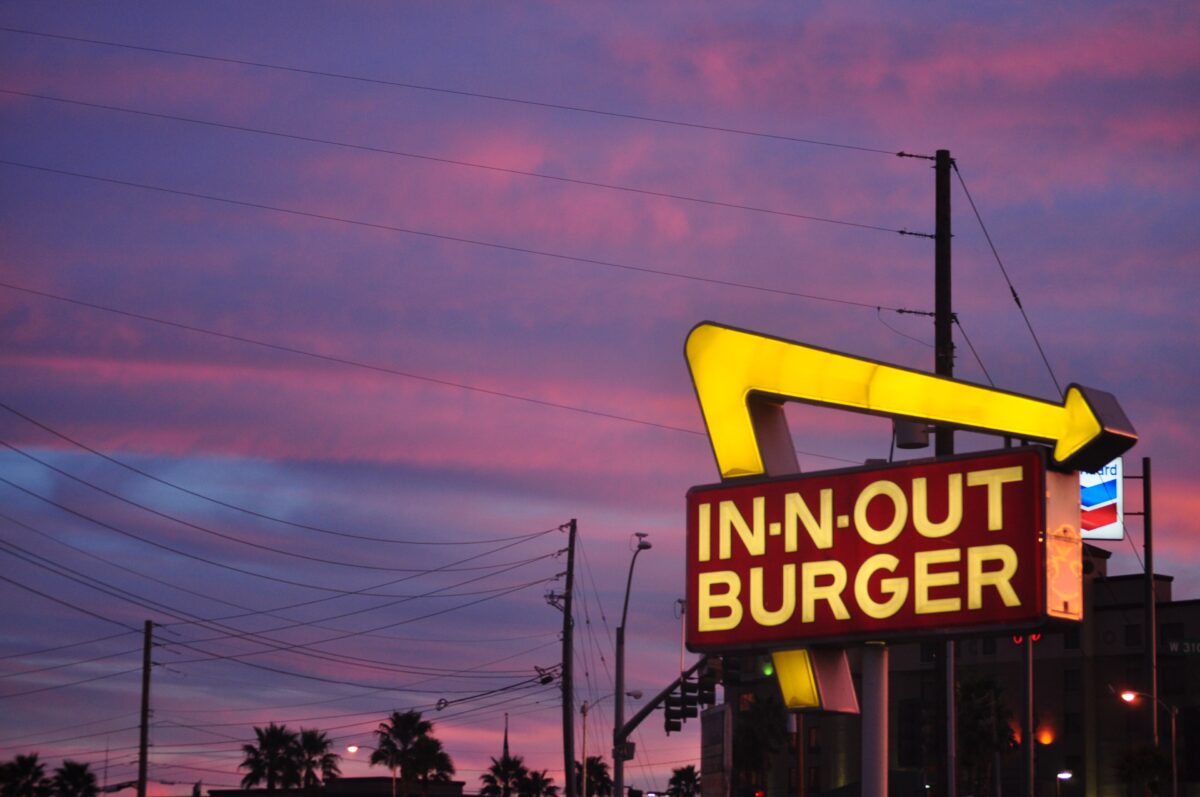
For customers in Commerce, Stockton, Madison, San Tan Valley, St. George, and Twin Falls, the new openings will bring long lines, busy parking lots, and the familiar red-and-yellow glow of a chain that still knows how to build excitement.
For the wider restaurant industry, the message is clear: In-N-Out is expanding, but it is still doing things its own way.