7 Things You Should Never Do With Your Paycheck
Payday is the best day of the week for a lot of people, and also the day money seems to vanish the fastest. A few small habits on the day the check arrives can make the difference between feeling ahead and feeling behind.
None of this is about a strict budget or one right way to live. It’s about seven common paycheck mistakes that consumer agencies like the CFPB, IRS and FBI warn about again and again, and what to do instead.

1. Never skip looking at your pay stub
It’s tempting to glance at the deposit amount and move on. But your pay stub shows your hours, your pay rate, your tax withholding and any deductions for benefits. Mistakes happen, and catching one on the first check is much easier than untangling it months later.
Make it a five-minute habit, the same way some people check their bank statements. If you tend to put small tasks off, these tips on how to stop procrastinating can help the routine actually stick.
2. Never ignore what’s being withheld for taxes
If you’ve changed jobs, gotten married, picked up a side gig or had a baby, your withholding may no longer match your situation. The IRS offers a free Tax Withholding Estimator that helps you check whether you’re having too much or too little taken out of each check.
Too little can mean a surprise bill in April. Too much means you’re giving the government an interest-free loan until your refund arrives. Either way, it’s worth a look once a year, and it’s one of those details that matters even more later on, as people point out in this list of things nobody tells you about early retirement.
3. Never borrow against your next paycheck without checking the cost
Running short a few days before payday happens to almost everyone. But the CFPB explains that a typical payday loan fee of $15 per $100 borrowed on a two-week loan works out to an annual percentage rate of almost 400 percent. By comparison, the agency says credit card APRs generally run from about 12 to 30 percent.
These loans are usually due in one lump sum on your next payday, which can leave you short again. The CFPB’s payday loan resources explain the fees to watch, including rollovers, and your rights if you’re struggling to repay.
4. Never spend it all before the bills are paid
The order matters. Rent, utilities and other must-pays come first, then everything else. Many people find it easiest to set up automatic payments for the days right after payday, so the essentials are covered before the fun money gets spent.
Retirees often say that habits like this are among the money rules they wish they’d followed at 40, mostly because the stress of juggling bills adds up over the years. A clear plan for each check is a nice part of keeping a healthy work-life balance, too.
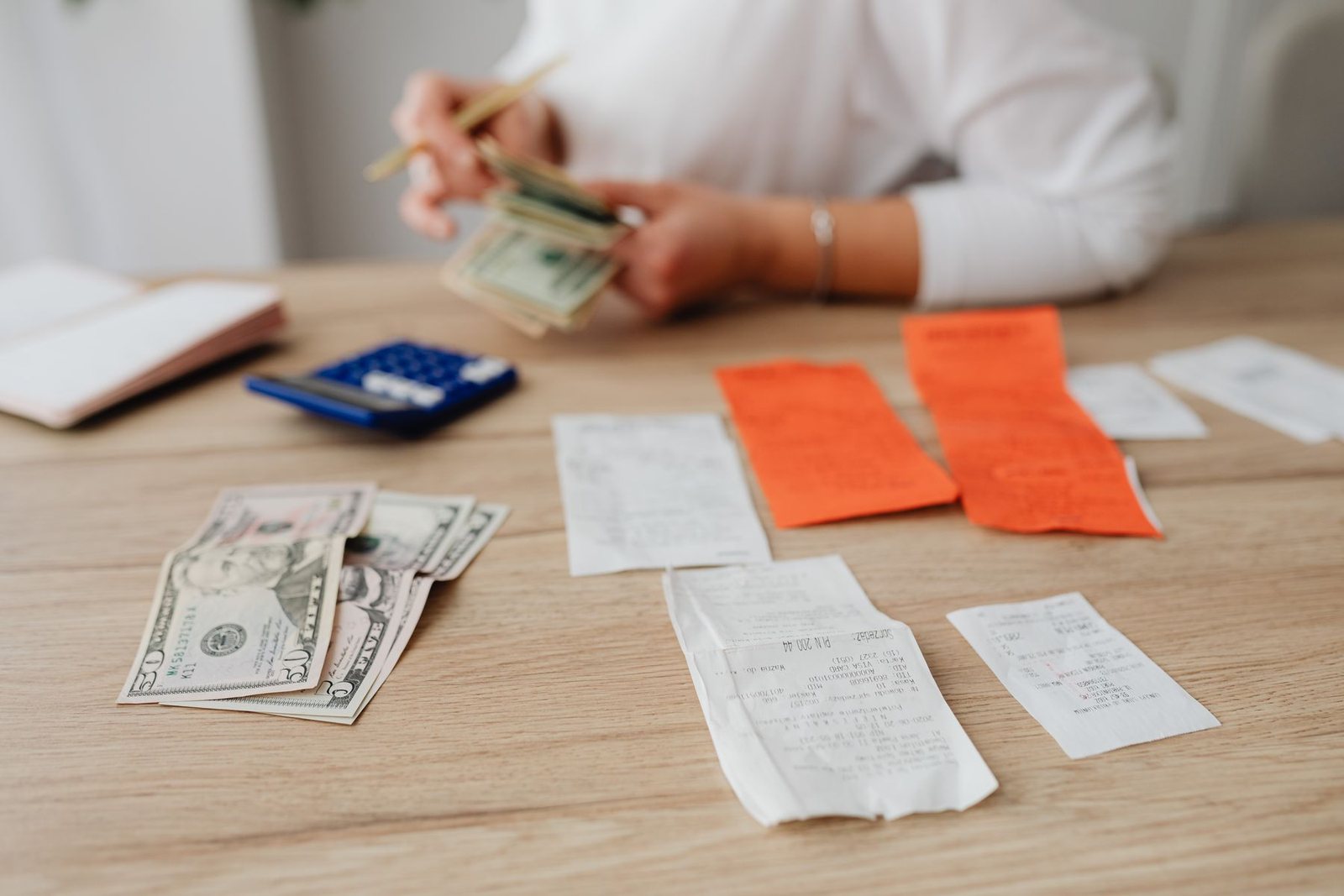
5. Never let your account run to zero
When your balance is tight, it’s easy to overdraw by accident. The CFPB’s guide to overdraft options notes that many banks and credit unions charge $30 or more per overdraft, and multiple fees can hit in the same day. Opting out of debit card overdraft coverage or linking a savings account are two options the agency describes, and our guide to things you should never do with your savings account covers the other side of that link.
6. Never pay yourself last
Even a small amount set aside from each paycheck can grow into a cushion over time. The FDIC’s free Money Smart program has lessons on saving and budgeting for all ages. Automatic transfers to savings on payday make the habit almost effortless, because the money moves before you have a chance to miss it.
7. Never change your direct deposit because of an email
Scammers know payday is predictable. The FBI’s Internet Crime Complaint Center has warned about payroll diversion schemes, in which criminals use phishing emails to get employees’ login details and then switch their direct deposit to an account the criminals control.
If you get an email asking you to log in and “confirm” your payroll information, don’t click. Go to your employer’s payroll site directly or talk to your HR department in person.
The bottom line
Your paycheck works hardest when it has a plan the moment it lands. Check the stub, keep an eye on withholding, pay the essentials first, avoid costly short-term loans and guard your direct deposit. Small steps, repeated every payday, add up.