7 Treats Every 1970s Grandma Kept Waiting in the Candy Dish
Every grandma’s house had one: a candy dish sitting on the coffee table, the end table or the buffet in the dining room. It was usually cut glass or colored glass with a lid, and it always seemed to be full. Grandkids made a beeline for it the moment they walked in the door, and grandma pretended not to notice how many pieces disappeared.
In the 1970s, the candy dish was a fixture of American living rooms, and what was inside said a lot about the grandmother who filled it. Some treats were old-fashioned and some were store-bought favorites, but they all carry strong memories for people who grew up visiting grandma’s house. Here are seven treats every 1970s grandma kept waiting in the candy dish.
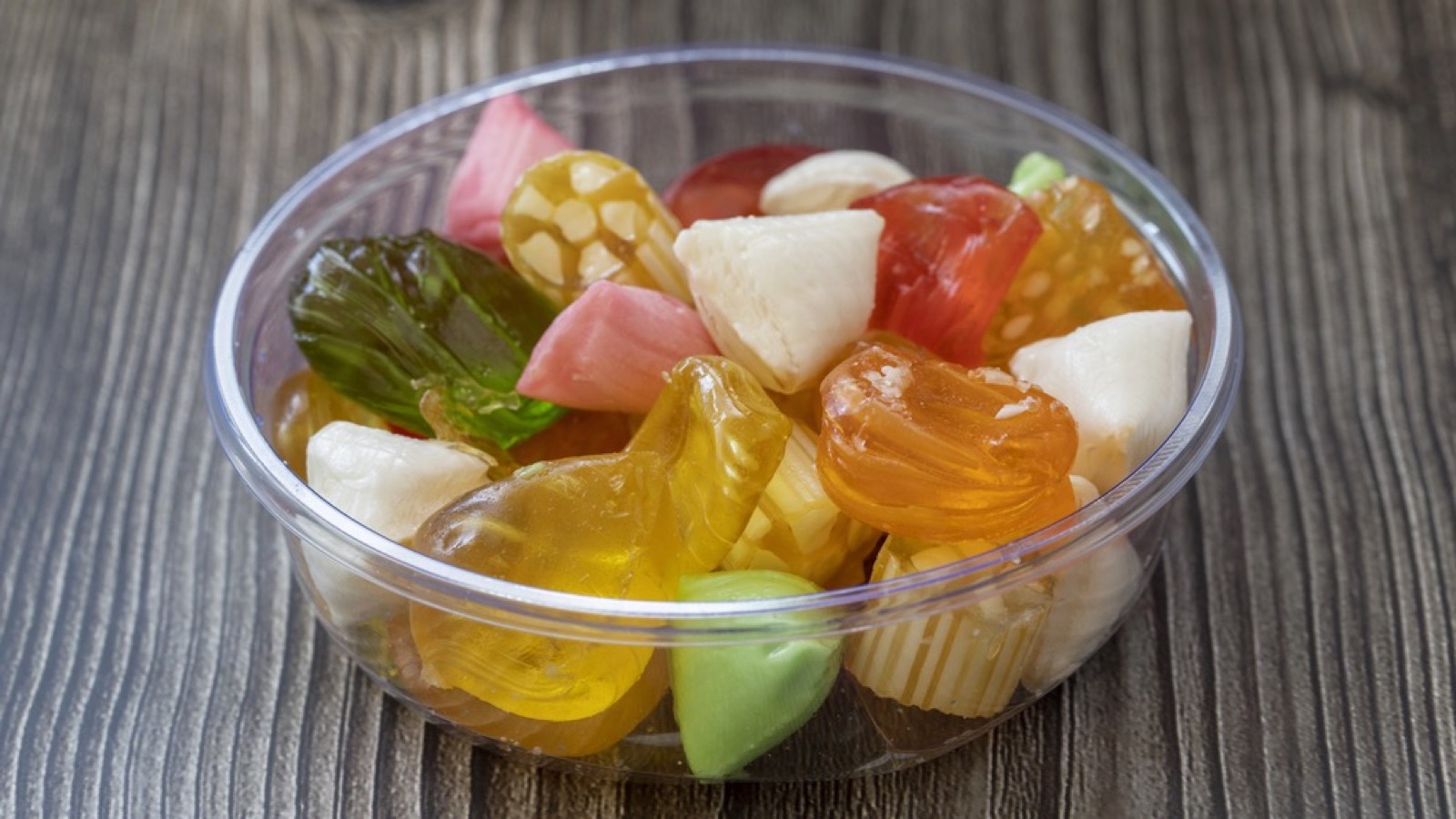
1. Strawberry Candies in Wrappers That Looked Like Berries
The strawberry hard candy wrapped in red foil printed to look like a strawberry, with a green top, was a grandma classic. Inside was a hard candy shell with a soft, gooey strawberry center. Many grandmothers kept a supply year-round.
Grandkids often have a love-hate relationship with these candies. Some loved the sweet, syrupy center. Others remember them as the treat that was always there when nothing better was available. Either way, the sight of that strawberry wrapper takes many people straight back to grandma’s living room.
2. Butterscotch Discs
Golden butterscotch discs in clear cellophane wrappers were another candy dish staple. They were sweet, buttery and lasted a long time, which made them popular with grandmothers who wanted something that wouldn’t spoil.
Many grandmothers also used them as a bribe for good behavior or a reward after church. To this day, plenty of adults say butterscotch tastes like visiting grandma. Brands like Brach’s and store versions were sold in large bags, perfect for keeping the dish full.
3. Ribbon Candy at Christmas
During the holidays, many grandmothers filled their candy dishes with ribbon candy, the thin, folded hard candy in bright stripes and swirls. It was beautiful to look at but notoriously fragile, often arriving in pieces or sticking together in humid weather.
Ribbon candy was more decoration than snack for many families. Kids admired it, broke off pieces and sometimes found it too hard or too sweet to enjoy. But it was part of the Christmas atmosphere at grandma’s house, much like the other classic Christmas candies that filled stockings for generations.
4. Orange Slices and Spice Drops
Sugar-coated orange slice candies and spice drops were common in candy dishes, especially in the fall and winter. The orange slices were soft and chewy with a coating of sugar crystals, while spice drops came in colors and flavors like clove, cinnamon and wintergreen.
Younger kids sometimes found the spicy flavors surprising, but many grew to love them. Grandmothers often used them in holiday baking too, adding spice drops to cookies or decorating gingerbread houses with them.
5. Circus Peanuts
Circus peanuts, the soft, orange, peanut-shaped marshmallow candies, are one of the most divisive candies in American history. Despite their shape, they’re banana-flavored, which confused generations of kids.
Many grandmothers loved them, and they were cheap and easy to find. Grandkids were split: some ate them happily, while others avoided them entirely. Today, circus peanuts are often listed among the most disliked candies, yet they still sell, especially to people who remember them from childhood.
6. Mints in Every Color
Pastel mints, starlight peppermints and soft buttermints were candy dish essentials. Grandmothers often served them after meals or set them out when company came. Some kept a separate dish of mints by the front door or in the guest bathroom.
These mints were popular because they went with everything and didn’t melt. Many grandmothers bought big bags of red-and-white starlight mints and kept refilling the dish year-round. They were also a regular sight at weddings, funerals and church events.
7. Chocolate Kisses and Bridge Mix
Grandmothers who wanted something a little fancier filled their candy dish with Hershey’s Kisses or bridge mix. Bridge mix was an assortment of chocolate-covered nuts, raisins and candy centers originally meant to be served during card games like bridge.
These treats felt special. Kids knew that if grandma had chocolate in the dish, it was a good day. Many grandmothers rationed the chocolate carefully, saving it for holidays or special visitors, while keeping hard candy out the rest of the time.
Why the Candy Dish Mattered
The candy dish was more than a place to keep sweets. It was a symbol of hospitality. Grandmothers wanted guests to feel welcome, and offering a piece of candy was an easy, friendly gesture. It also gave grandkids a reason to look forward to visits.
Many grandmothers also used candy dishes as decorations, choosing ones that matched their furniture or holiday decor. Some had dishes passed down from their own mothers, and many grandchildren now keep those same dishes as treasured heirlooms. They’re often listed among the nostalgic items everyone had 30 years ago.
The Candy Dish Today
Candy dishes are less common in modern living rooms. Many families have fewer formal sitting rooms, and parents are more cautious about sweets. Still, plenty of grandmothers keep the tradition alive, and many grandkids say the first thing they look for at grandma’s house is still the candy dish.
Some people have even started filling their own candy dishes with the same old-fashioned treats, partly for nostalgia and partly for their own grandkids. Brands like Brach’s still sell strawberry candies, butterscotch and starlight mints, so the classic lineup is easy to recreate.
The Candy Dish as a Family Heirloom
Many grandchildren now keep their grandmother’s candy dish on their own coffee table. Some fill it with the same old-fashioned candies, while others use it for keys, jewelry or decoration. Either way, the dish carries memories of Sunday visits, holiday gatherings and the grandmother who always made sure it was full. For many families, it’s one of the first things someone asks to keep.
A Sweet Memory for Generations
The 1970s candy dish represents a simpler time for many people: visits to grandma’s house, long Sunday afternoons and the comfort of knowing something sweet was always waiting. The candies themselves were often ordinary, but the memories are anything but.
Ask almost anyone who grew up in that decade, and they’ll describe their grandmother’s candy dish in detail: its color, where it sat and what it held. It’s one of the small, everyday things that made grandma’s house feel like home.