8 High-Risk Jobs That Pay Big
Some jobs come with a comfortable office chair and a predictable schedule. Others involve dangling hundreds of feet above the ground, working underwater, or handling explosives. The paycheck can make these dangerous careers tempting, but the risks are very real. According to the U.S. Bureau of Labor Statistics (BLS), several hazardous occupations pay considerably more than the national median annual wage of $50,980 recorded in May 2025. Some even offer six-figure salaries without requiring a traditional four-year college degree. Here are eight risky jobs that can deliver impressive earnings, along with what workers actually face to earn them.
Electrical Power-Line Installers and Repairers
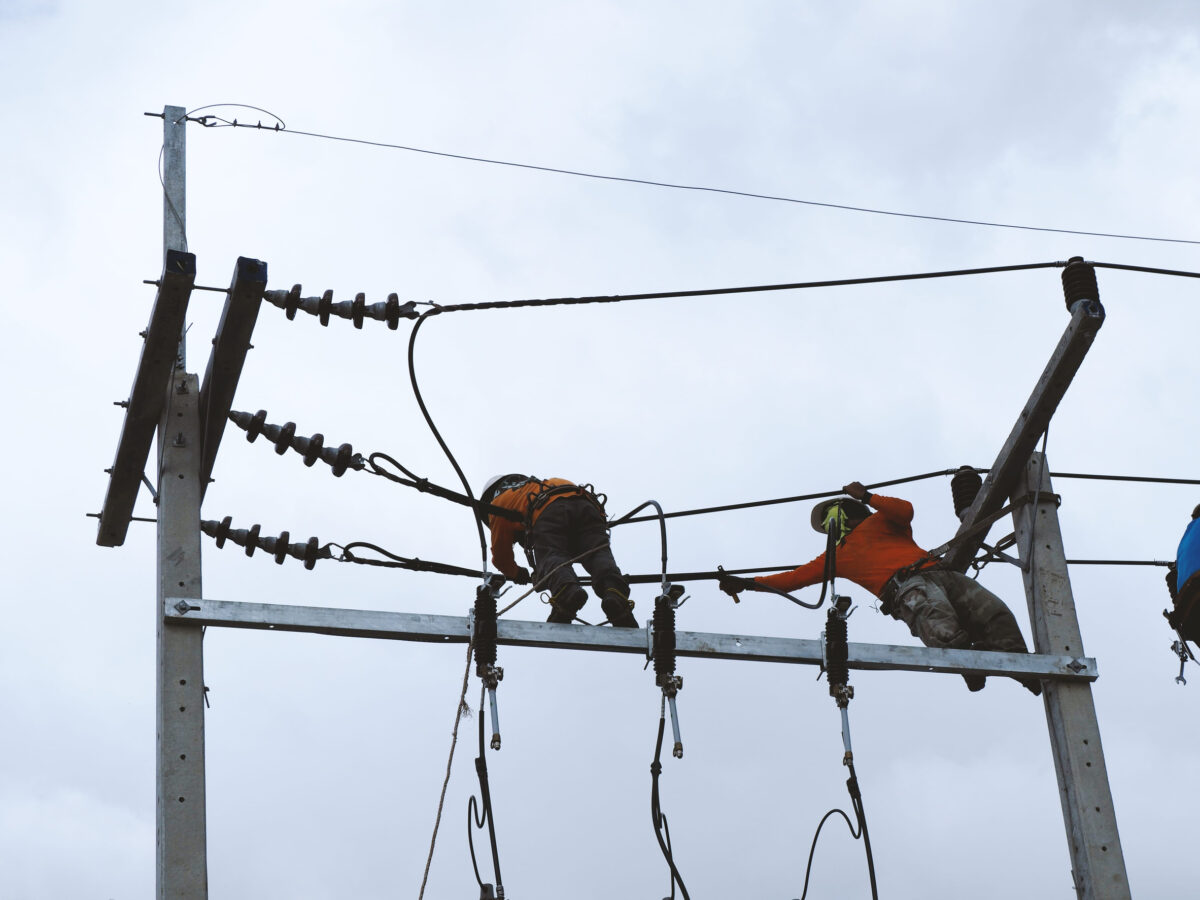
Imagine climbing a utility pole during a storm while thousands of homes wait for their electricity to return. That’s part of the job for electrical power-line workers.
These professionals install, maintain, and repair the power lines that keep communities running. They face electrical hazards, dangerous heights, heavy equipment, and unpredictable weather.
According to the BLS, their median annual salary was $95,320 in May 2025. The highest-paid 10% earned more than $128,690.
Getting started typically requires a high school diploma followed by extensive technical training or an apprenticeship. Workers employed directly by utility companies often earn more than those working in utility construction.
Elevator and Escalator Installers and Repairers
The next time an elevator smoothly carries you to the top floor, remember that someone maintains all those complicated moving parts.
Elevator mechanics install and repair elevators, escalators, moving walkways, and similar equipment. Their work involves electrical systems, computerized controls, heavy machinery, and occasionally cramped elevator shafts.
The reward can be substantial. The BLS reports a median annual salary of $109,910, with the highest-paid 10% earning over $158,890.
A four-year apprenticeship is the usual route into this trade. Most states also require licensing. Emergency repairs can mean being on call outside normal working hours, so the attractive paycheck comes with demanding responsibilities.
Commercial Pilots

Flying an aircraft for a living sounds exciting until you consider the responsibility of navigating difficult weather, unfamiliar terrain, and unexpected mechanical problems.
Commercial pilots work in charter aviation, aerial tours, corporate transportation, and other specialized flying operations. Some assignments involve low-altitude flying near trees, towers, and power lines.
Their median annual salary reached $123,220 in May 2025, according to the BLS. The highest-paid 10% earned more than $266,620.
Those figures apply specifically to commercial pilots, rather than the separate airline-pilot occupation.
Becoming qualified requires flight training, appropriate Federal Aviation Administration credentials, practical examinations, and ongoing proficiency. The view from the cockpit may be fantastic, but getting there takes serious dedication.
Commercial Divers

Forget snorkeling around colorful reefs. Commercial diving is about getting important work done beneath the surface, often in places nobody would visit for fun.
Commercial divers inspect underwater pipelines, repair structures, examine cables, and help recover submerged equipment. Some work involves welding, cutting, or heavy lifting.
The profession recorded a median annual salary of $72,990 in May 2025, according to O*NET.
Working underwater brings hazards such as poor visibility, powerful equipment, pressure-related complications, and drowning risks. Divers also need industrial skills beyond ordinary recreational scuba training.
It’s specialized work that demands concentration, technical knowledge, and comfort in challenging environments.
Boilermakers
Despite the name, boilermakers do much more than repair boilers.
These skilled tradespeople build, install, maintain, and repair industrial tanks, pressure vessels, and large systems used in factories, power facilities, and other industrial operations.
Their median annual salary was $76,410 in May 2025, according to the BLS. Workers in the highest-paid 10% earned more than $110,370.
The difficult part? Imagine welding inside a cramped industrial tank or working high above the ground around massive metal components.
Most boilermakers complete a four-year apprenticeship. Some assignments offer substantial overtime during plant shutdowns, although gaps between contracts can make annual earnings less predictable.
Structural Iron and Steel Workers
Skyscrapers don’t magically rise into place. Structural ironworkers are among the people responsible for assembling their massive steel frameworks.
The job involves positioning heavy beams, securing structural connections, interpreting blueprints, and sometimes working at breathtaking heights.
The BLS recorded a median annual salary of $62,780 in May 2025. The highest-paid 10% earned more than $108,260.
However, this occupation highlights an important reality: greater danger doesn’t always mean extraordinary pay.
In 2024, structural iron and steel workers experienced 37.8 fatal occupational injuries per 100,000 full-time-equivalent workers, considerably higher than the national rate of 3.3.
For anyone uncomfortable with heights, this career probably isn’t the ideal choice.
Police and Sheriff’s Patrol Officers
Police work involves considerably more than dramatic pursuits and emergency calls.
Officers patrol communities, respond to incidents, investigate situations, prepare reports, and testify.