7 Values Boomers Grew Up With That Are Fading Fast
Baby boomers, born between 1946 and 1964, grew up in a country with a clear set of shared expectations. You went to church on Sunday, married young, raised a family, stayed with one employer and knew the names of everyone on your street. Many of these values were passed down by parents who had lived through the Great Depression and World War II.
Fast forward to today, and the picture looks very different. National surveys from Gallup and Pew Research Center show that many of the values boomers took for granted are losing ground, especially among younger Americans. That doesn’t mean younger generations lack values, but it does mean their priorities have shifted in ways that many older Americans notice every day. Here are seven values boomers grew up with that are fading fast.
1. Belonging to a Church Community
For many boomers, church was the center of family and community life. Sunday services, potluck dinners, vacation Bible school and choir practice filled the calendar. Belonging to a congregation was simply what most families did.
That’s changed dramatically. Gallup found that church membership was 73 percent when it was first measured in 1937 and stayed near 70 percent through the end of the 1990s. By 2020, just 47 percent of Americans belonged to a church, synagogue or mosque, the first time it had dipped below half. Pew Research Center’s 2023-24 Religious Landscape Study found that 33 percent of adults now attend religious services at least once a month.
2. Marriage as a Life Milestone
When boomers came of age, getting married was considered a natural step into adulthood. Many couples wed in their early 20s, and staying single for long often raised eyebrows. Marriage was seen as essential to a stable, respectable life.
Today, far fewer Americans see it that way. In a 2023 Pew Research Center survey on the modern family, only 23 percent of adults said being married is extremely or very important for living a fulfilling life. That’s a striking shift for a generation that grew up seeing marriage as a given.
3. Raising Children as the Heart of Life
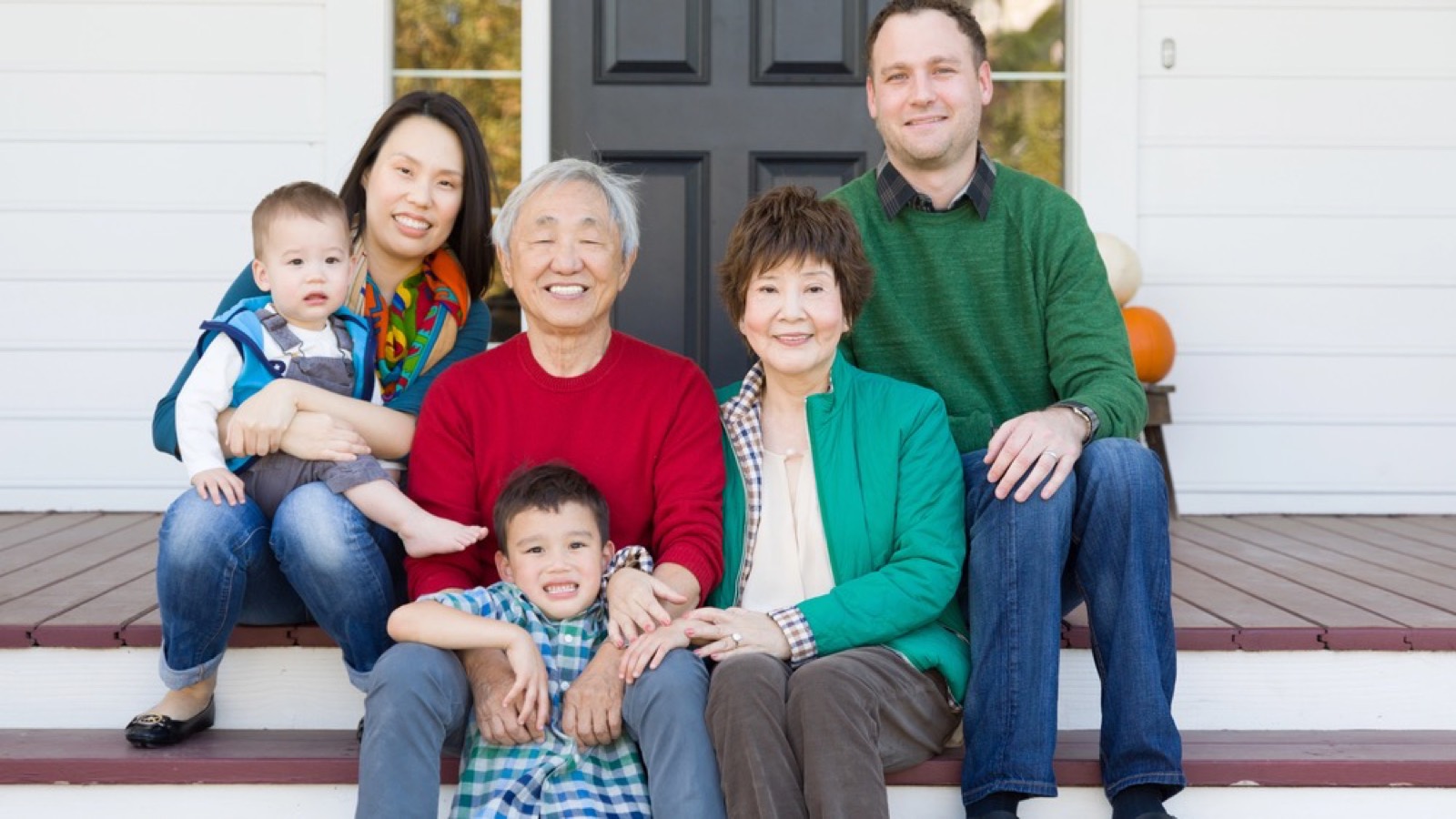
For many boomers, having children wasn’t a question of if, but when. Family life revolved around the kids, and parents often measured their success by how well their children turned out. Big family dinners and full houses at the holidays were the norm.
The same Pew survey found that only 26 percent of Americans say having children is extremely or very important for a fulfilling life. By comparison, 71 percent said the same about having a job or career they enjoy, and 61 percent pointed to having close friends. For many grandparents still waiting on grandchildren, those numbers explain a lot.
4. Open Pride in Country
Boomers grew up reciting the Pledge of Allegiance every morning, watching parades on the Fourth of July and flying the flag on the front porch. Patriotism was something most people expressed openly and without much debate. That sense of pride still runs deep for many in the generation.
Gallup’s June 2026 survey on national pride found that just 33 percent of U.S. adults are extremely proud to be American, the lowest reading since Gallup began asking in 2001. Another 20 percent say they are very proud, meaning only a little over half express high levels of pride. Only 43 percent say they display the American flag outside their home.
The age gap is wide. Among Americans 55 and older, 48 percent say they are extremely proud, compared with just 14 percent of adults ages 18 to 34. For a generation raised on flag-waving parades, that gap can be hard to understand.
5. Trust in Government and Institutions
Many boomers grew up believing that the government, major institutions and community leaders would generally do the right thing. That faith was shaken by Vietnam and Watergate, but the starting point was remarkably high. Their parents’ generation had seen government lead the country through war and economic recovery.
Pew Research Center’s data on public trust shows how far it has fallen. In 1964, 77 percent of Americans said they trusted the government in Washington to do what is right just about always or most of the time. In Pew’s most recent measure from 2025, just 17 percent said the same.
6. Knowing Your Neighbors
In many boomer neighborhoods, everyone knew everyone. Kids played in the street until the streetlights came on, neighbors borrowed cups of sugar and someone always kept an eye on your house while you were away. Block parties and front-porch visits were part of everyday life.
In a 2018 Pew survey, only about three in 10 Americans said they know all or most of their neighbors. Americans 65 and older were substantially more likely than younger adults to know all or most of the people living around them. Busy schedules, long commutes and frequent moves have all made close neighborhood ties harder to build.
7. Loyalty to One Employer
Many boomers’ parents spent their entire careers with one company, and some retired with a gold watch and a pension. Boomers grew up believing that hard work and loyalty would be rewarded with job security. Changing jobs too often was seen as a red flag on a résumé.
That mindset has shifted for younger workers. Gallup’s report on millennial workers found that 21 percent said they had changed jobs within the past year, more than three times the share of non-millennials who said the same. With pensions now rare, many younger workers see changing jobs as the best way to get a raise or learn new skills.
Why These Values Are Changing
There’s no single reason these values are fading. Rising housing costs, student debt and the high cost of raising children have pushed many young adults to delay marriage and parenthood. Technology has changed how people connect, often replacing face-to-face community with online friendships.
Many of the habits boomers picked up from their Depression-era parents, like saving, making do and leaning on community, were shaped by hard times. Each generation is molded by its own circumstances. The values that seemed permanent to boomers were also a product of their time.
What Older Generations Can Still Pass Down
Just because these values are fading doesn’t mean they’ve lost their worth. Many younger Americans still care deeply about faith, family and community, even if they express it differently. Conversations between generations can help keep the best of these traditions alive.
Some observers worry that core American values are slipping away for good. But grandparents still have enormous influence through the stories they tell, the habits they model and the time they spend with younger family members. Which of these values do you most hope the next generation holds onto?