7 Worst Things to Order at a Steakhouse, According to Chefs
Walking into a steakhouse feels like a special occasion. The steaks are sizzling, the sides sound delicious, and everything on the menu seems worth trying. But here’s something most restaurants won’t tell you: some of the fanciest dishes aren’t necessarily the best things to order.
Several professional chefs have shared which steakhouse orders they personally avoid. Their reasons might surprise you. Some dishes cost more without delivering better flavor, while others simply don’t showcase what a steakhouse does best.
Before you spend big on your next steak dinner, here are seven orders worth a second thought.
Filet Mignon
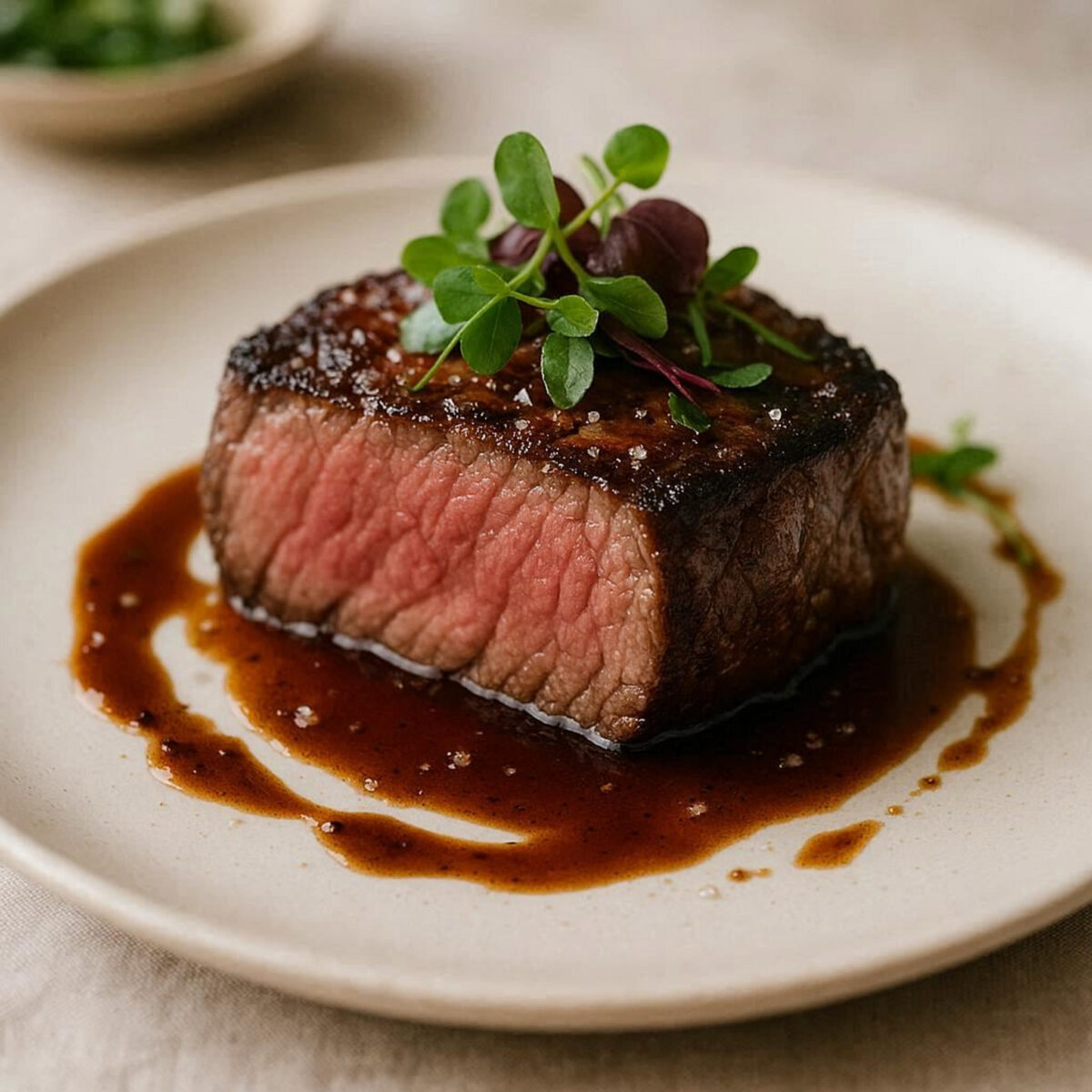
Filet mignon has a fancy reputation, but some chefs believe it doesn’t deliver enough flavor for the money. It’s incredibly tender, which explains its popularity, but tenderness doesn’t always mean a rich, beefy taste.
Chef Diana Manalang told Eat This, Not That! that filet’s relatively lean nature makes it less flavorful than her preferred ribeye. Other chefs, including William DeMarco, have expressed similar opinions.
The issue is marbling. Cuts with more fat running through the meat often deliver a richer flavor.
If you enjoy a bold steak, consider ordering ribeye or hanger steak instead. Both are favorites among chefs who prioritize flavor.
If tenderness is your priority, filet mignon can still be a wonderful choice.
Well-Done Wagyu Steak
Ordering an expensive Wagyu steak well-done might seem harmless, but several chefs believe it defeats the purpose of paying extra for richly marbled beef.
Chef Eric Mickle specifically advises against ordering Wagyu or American-style Wagyu well-done. He worries that extended cooking reduces the juicy, fat-rich qualities that make these steaks special.
As steak cooks to higher temperatures, its muscle fibers tighten and release more moisture. That can leave the meat firmer and drier.
Chef Dennis Littley suggests medium or medium-well for diners who prefer their steak more thoroughly cooked.
Ultimately, your steak should be prepared how you enjoy it. Just understand what you might sacrifice when ordering a premium cut well-done.
Tomahawk Steak for One
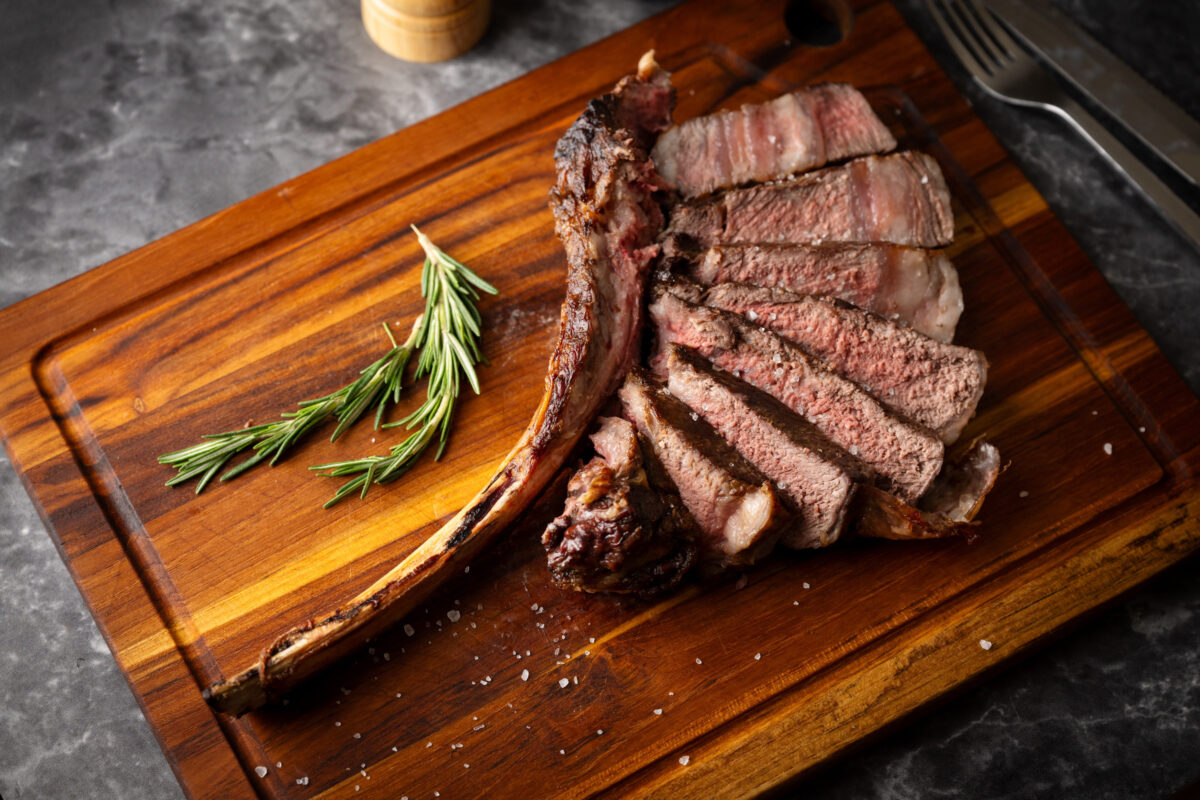
That enormous tomahawk steak certainly knows how to make an entrance. With its long bone and impressive presentation, it’s practically begging for a photograph.
But chefs warn that appearances can be misleading.
Chef and butcher Michael Puglisi has criticized tomahawks for prioritizing presentation over extra meat.
A tomahawk is essentially a ribeye with an extended rib bone. That dramatic bone adds to the presentation, but you can’t eat it.
Chef Jeremy Shigekane also avoids ordering tomahawks because he considers them too large for one person.
Before choosing one, check the portion size and consider sharing. A regular ribeye might provide everything you want without the oversized presentation.
Seafood at a Steakhouse Without a Seafood Specialty
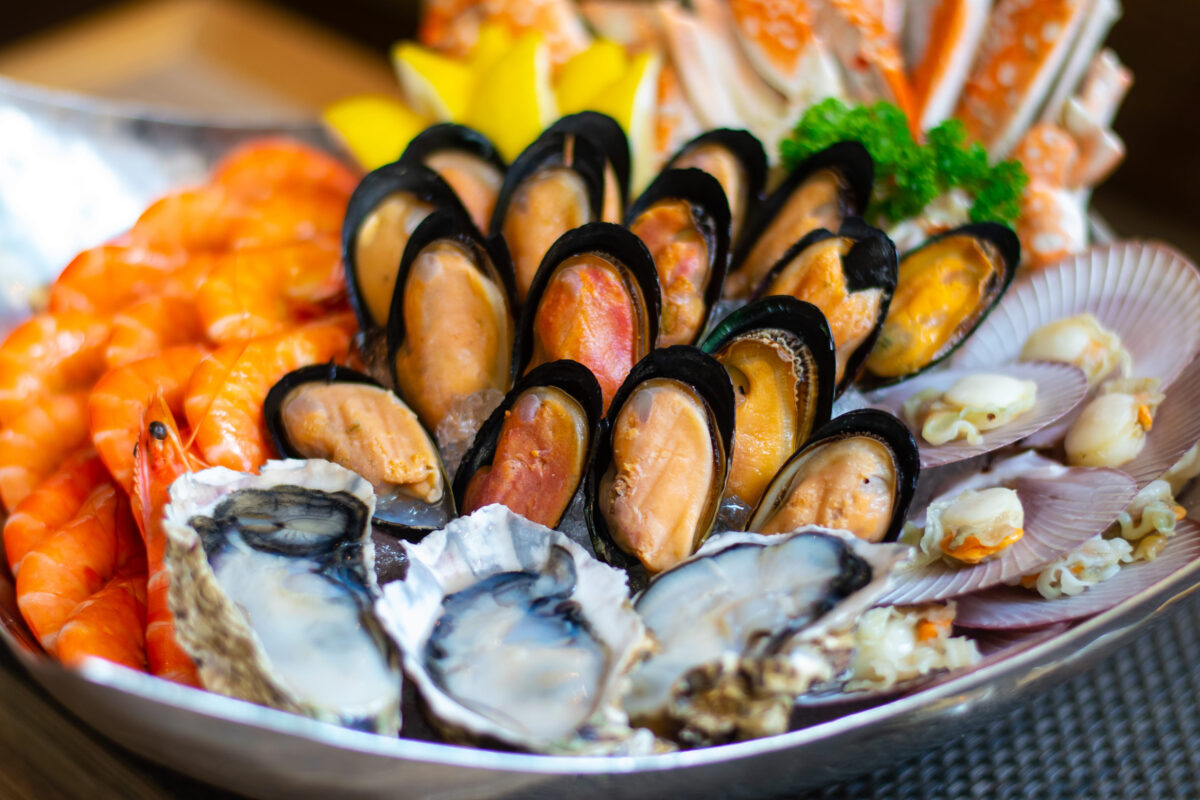
Ordering fish at a steakhouse isn’t automatically a mistake. However, some chefs suggest being selective about where you do it.
Chef Dennis Littley recommends avoiding seafood at steakhouses that don’t specialize in surf-and-turf dishes.
Chef Jeremy Shigekane shares a similar philosophy: order what the restaurant does best.
The reasoning is simple. A restaurant known for expertly preparing beef may not put the same culinary attention into every seafood option.
That doesn’t mean steakhouse seafood is necessarily disappointing. Many establishments have excellent seafood programs.
Before ordering salmon, crab cakes, or another seafood entrée, ask your server what the restaurant is particularly known for.
Truffle-Oil Upgrades
Truffle fries sound luxurious, don’t they? Unfortunately, that fancy description doesn’t always mean you’re getting the flavor of fresh truffles.
Chef Daniel Patterson has criticized commercial truffle oils made with added aroma compounds rather than fresh truffle infusions.
Other chefs, including William Eick, have questioned whether these products accurately represent the complex flavor of real truffles.
That doesn’t mean truffle oil tastes terrible. Plenty of people genuinely enjoy it.
The problem comes when diners assume they’re paying for an experience comparable to fresh truffles.
Before spending extra on truffle-flavored fries, mashed potatoes, or steak toppings, ask what ingredients the kitchen actually uses.
Sometimes, a simple preparation lets the main dish shine.
Lobster Mac and Cheese
Mac and cheese is already a comforting favorite. Add lobster, and suddenly it sounds like a luxury steakhouse experience.
But several chefs question whether these elaborate sides justify their price.
Chef Nitin Bali told Allrecipes that he generally avoids restaurant mac and cheese because he considers it overpriced.
Chef Samuel-Drake Jones has also expressed reservations about lobster mac and cheese at restaurants without a strong seafood program.
Beyond the price, rich pasta can compete with the steak rather than complement it.
Chef Jeremy Sharpe prefers potatoes alongside steak, arguing that pasta isn’t always the best pairing.
If lobster mac and cheese is the restaurant’s signature side, it might be worth trying. Otherwise, classic mashed potatoes or seasonal vegetables could be more satisfying.
Creamed Spinach
Creamed spinach is a steakhouse classic, but chefs say its quality depends heavily on how it’s prepared.
Chef Dennis Littley has criticized versions that become watery, bland, or overcooked after sitting too long.
The problem isn’t necessarily the spinach itself. Excess moisture and poor sauce preparation can ruin what should be a rich, flavorful side.
Chef Adonis Ouano Icalina has also questioned whether such a basic dish is worth ordering at an expensive restaurant.
Instead, he favors options such as sautéed mushrooms or roasted vegetables.
Still, properly prepared creamed spinach can be excellent. Even Littley acknowledges that a freshly made version with a well-balanced cream sauce can be fantastic.
The Bottom Line
A great steakhouse dinner isn’t always about ordering the most expensive or impressive-looking dish. Sometimes, the simpler choices deliver the most enjoyable experience.
Chefs don’t agree on every menu item, and personal taste matters. A dish one chef avoids might be another diner’s favorite.
The smartest approach is to consider portion sizes, preparation methods, and what the restaurant does particularly well.
And when you’re unsure, ask your server for a recommendation. A little curiosity before ordering could make your next steakhouse dinner even better.