8 Banana Ripening Mistakes That Can Ruin Your Baking Plans
Bananas look simple, but they can turn into tiny kitchen troublemakers the moment you need them for banana bread, muffins, pancakes, pudding, or smoothies. One day, they are too green to mash, the next day, they are collapsing into a sugary mess on the counter. The real trick is knowing when to let nature work, when to speed things up, and when to stop pretending a hard green banana will magically taste like caramel.
Bananas ripen as ethylene gas helps break down green pigments and firm starches, gradually making the fruit softer, sweeter, and more flavorful. That is why a speckled yellow banana tastes completely different from one that still feels stiff and grassy. Some fast methods can soften bananas quickly, but they do not always create the same deep sweetness as slow, natural ripening.
Leaving Green Bananas in a Cold Spot
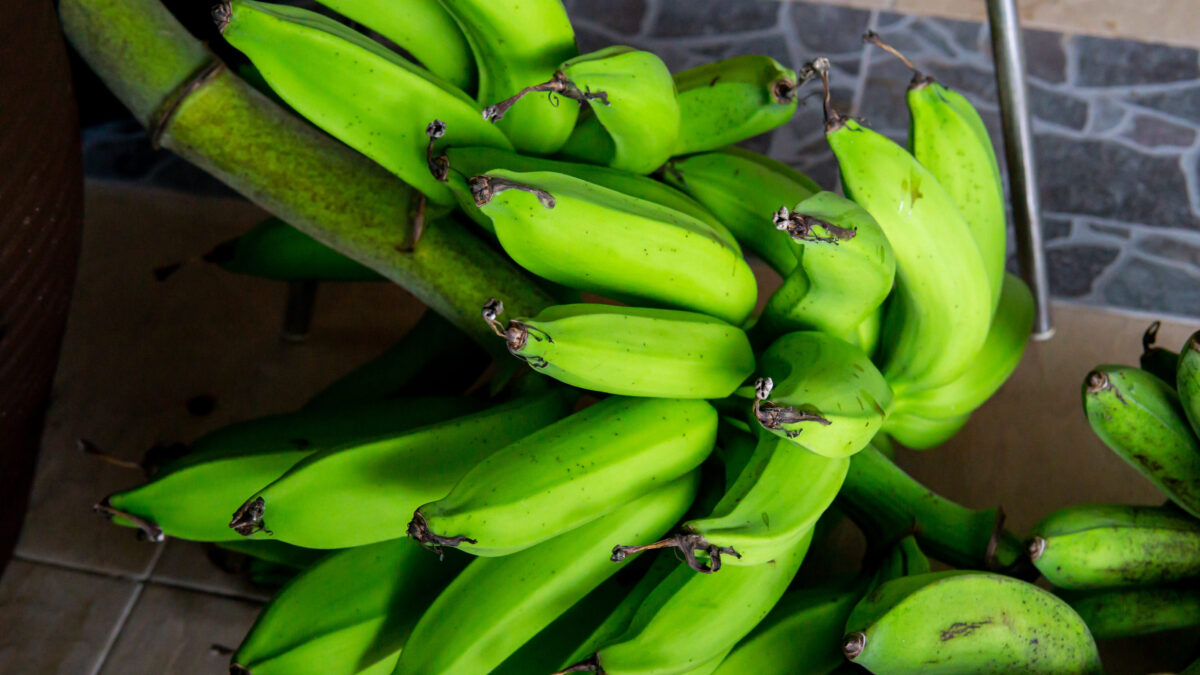
Cold rooms slow down bananas, which is bad news if you need them soft by tomorrow. A chilly kitchen corner, a drafty window, or the wrong side of the pantry can keep bananas stubbornly green longer than expected.
Bananas need warmth to ripen, so hiding them in a cool place works against you. If you want them to ripen faster, keep them in the warmest safe area of the kitchen, away from direct sunlight but near steady room warmth. A spot above or near an appliance can help, as long as it does not get hot enough to cook the fruit.
Putting Bananas in the Refrigerator Too Early
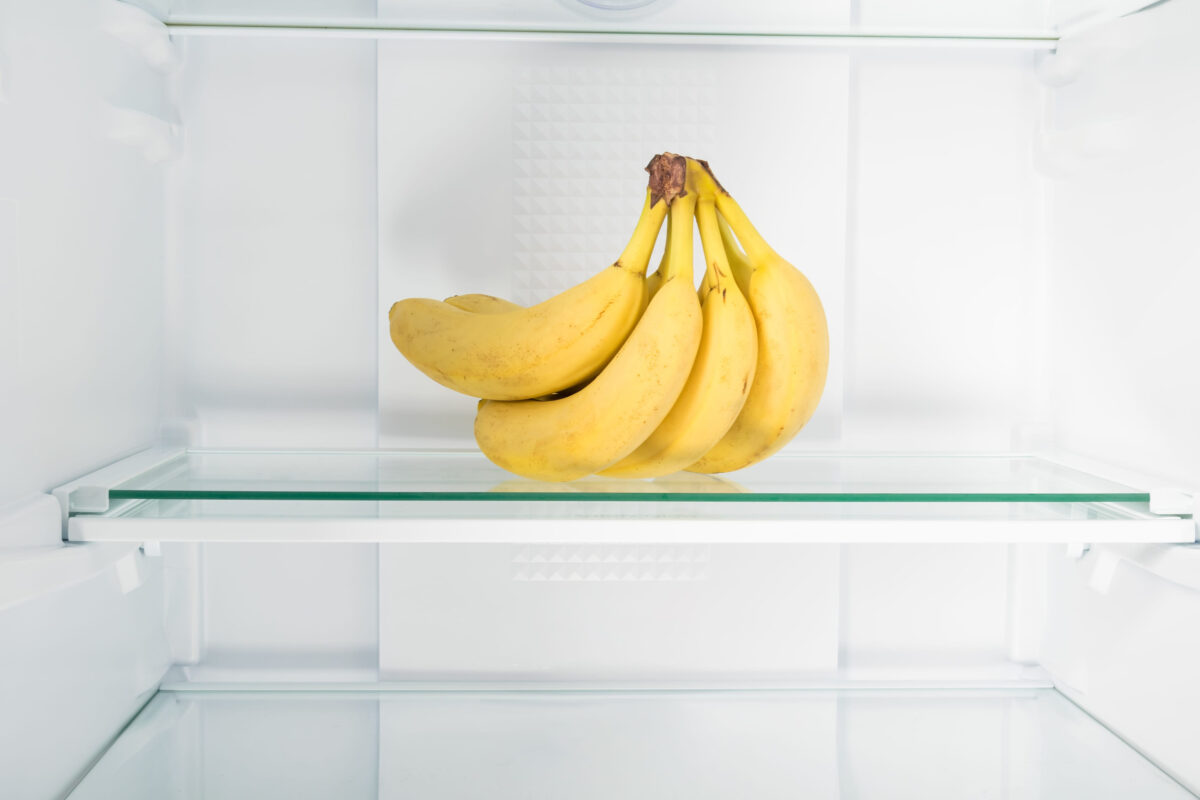
The refrigerator is useful after bananas ripen, but it can be a disaster when used too soon. Cold temperatures can darken the peel and slow the inside from reaching that soft, sweet stage needed for baking.
Many people see the peel turn brown and assume the fruit is ready, but the flesh may still taste bland and firm. That creates a frustrating banana bread problem: the outside looks promising, but the inside refuses to mash smoothly. Refrigerate bananas only after they are already ripe enough for your recipe.
Trusting the Microwave for Real Ripeness
The microwave is tempting because it makes bananas soft in minutes, but soft does not always mean ripe. Microwaving breaks down the texture quickly, which can help in an emergency, yet it does not give bananas the full, mellow sweetness that develops over time. The result may mash easily, but the flavor can taste flat, watery, or slightly cooked.
This matters most in simple banana bread, where the banana flavor has nowhere to hide. Use the microwave only when time has cornered you, not when flavor truly matters.
Baking Bananas and Expecting Fresh Sweetness
Oven-softened bananas can save a recipe, especially when you are staring at a green bunch and a mixing bowl. Still, roasting bananas is closer to cooking than ripening.
The heat softens the flesh and brings out some sweetness, but it does not fully recreate the deeper flavor of naturally ripened bananas. This shortcut works best for dense baked goods where spices, chocolate, nuts, or brown sugar can support the flavor. If the recipe depends heavily on pure banana taste, naturally speckled bananas still win.
Using Bananas That Are Too Ripe for Sliced Desserts
Very ripe bananas are excellent for bread, muffins, cakes, and pancakes, but they can wreck desserts that need clean slices. Banana pudding, cream pies, fruit salads, and layered parfaits need bananas that hold their shape. If the banana is brown, mushy, and collapsing, it may taste sweet but look messy and feel slimy in a chilled dessert.
For sliced recipes, aim for yellow bananas with brown freckles, not blackened bananas that belong in batter. Texture matters just as much as sweetness when the banana is meant to be seen.
Ignoring the Power of Other Fruit
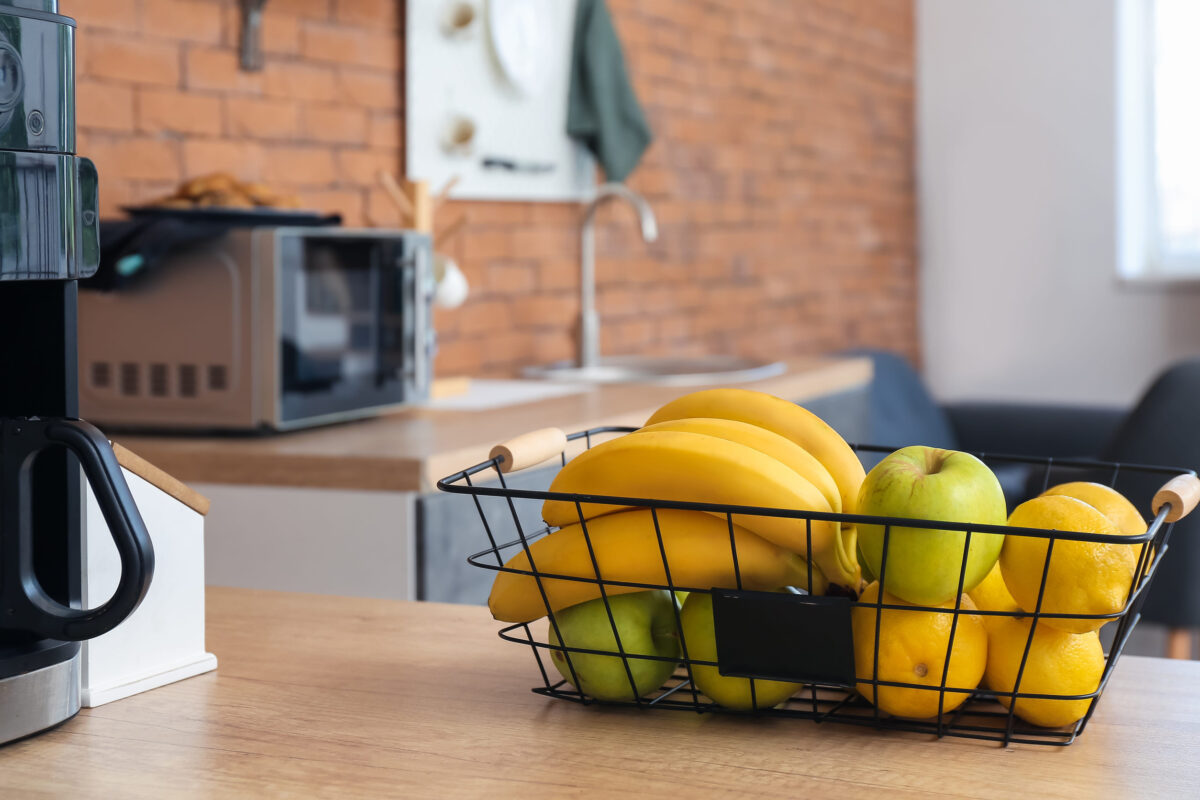
Bananas ripen faster when surrounded by ethylene-producing fruit, yet many people leave them alone and wonder why nothing is happening. Apples, pears, and ripe avocados can help speed the process when placed near bananas.
The idea is simple: more ripening gas around the fruit can encourage faster softening. A paper bag with a ripe apple can work better than leaving bananas scattered across the counter. Just check them often, because once bananas start turning, they can go from perfect to mushy faster than you expect.
Sealing Bananas in Plastic
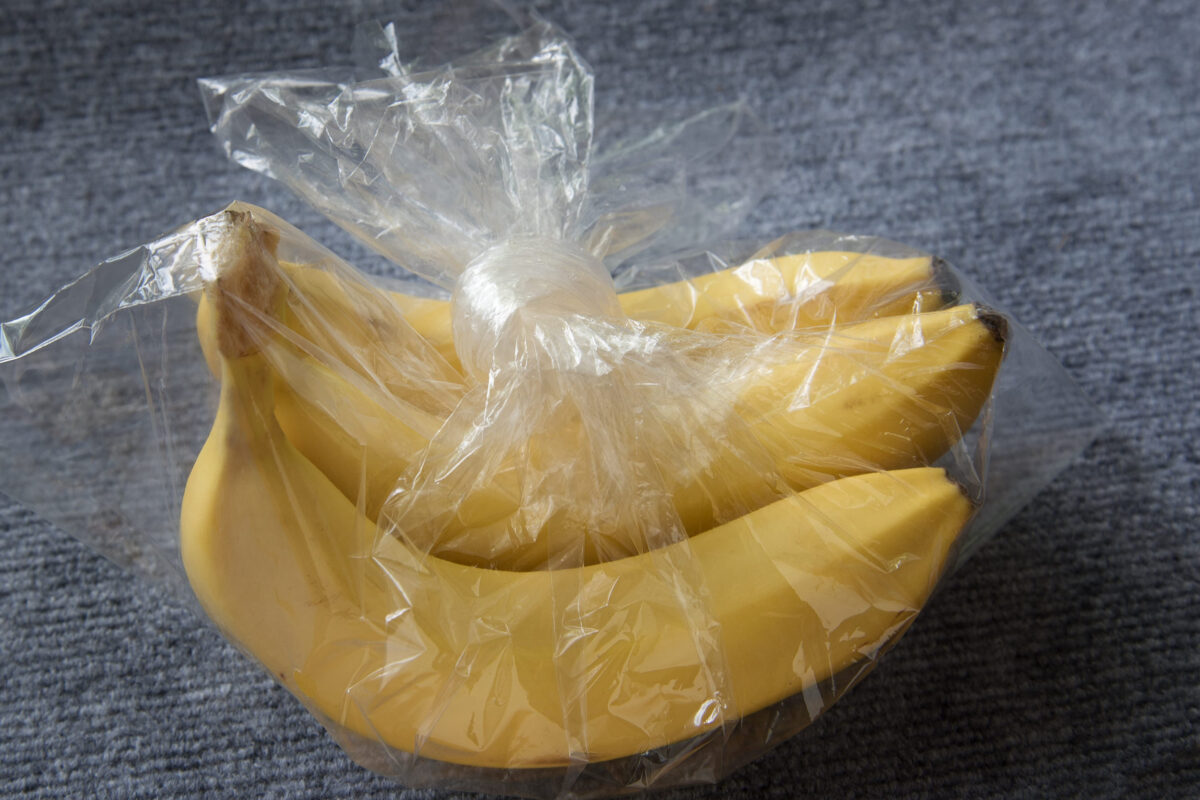
Plastic bags trap moisture, and moisture is not always your friend. Instead of encouraging beautiful ripening, plastic can create a sweaty environment that leaves peels damp and fruit unpleasant. Bananas need airflow, especially if your kitchen is already warm.
A paper bag is a better choice because it can trap some ethylene while still allowing the fruit to breathe. If you use any bag method, do not forget the bananas inside, because trapped warmth and gas can push them past the ideal stage.
Waiting Until the Day You Want Banana Bread
The biggest banana mistake is poor timing. Banana bread feels like a spontaneous comfort food, but the best loaves usually begin with bananas that have been ripening for days. If you buy green bananas the same morning you plan to bake, you are already gambling with flavor.
Keep a small rotation of bananas in your kitchen, and freeze overripe ones once they reach the perfect baking stage. That way, you are never forced to choose between bland bananas, rushed shortcuts, or abandoning the recipe altogether.
Conclusion
Bananas reward patience, but they also punish guesswork. The best ripening method depends on what you are making, how much time you have, and whether flavor or speed matters most.
Warmth, airflow, timing, and the right level of softness can turn an ordinary banana recipe into something rich, fragrant, and deeply satisfying. Shortcuts like the oven or microwave can help in a pinch, but naturally ripened bananas still bring the best sweetness and texture. Treat bananas like an ingredient with a schedule, not an afterthought, and your baking will taste much better.