8 Candies Americans Enjoyed in the 1960s
A trip to the candy counter could turn pocket change into a surprisingly difficult decision. Would it be something chocolatey, something sour, or a piece of gum that promised a whole afternoon of bubble practice? For Americans growing up in the 1960s, the pleasure often began before the wrapper came off.
The decade’s candy selection mixed older favorites with newcomers. Some sweets invited sharing; others encouraged you to make every bite last. These eight candies capture that variety, along with the little rituals that made buying them feel like an occasion.
Hershey’s Milk Chocolate Bar
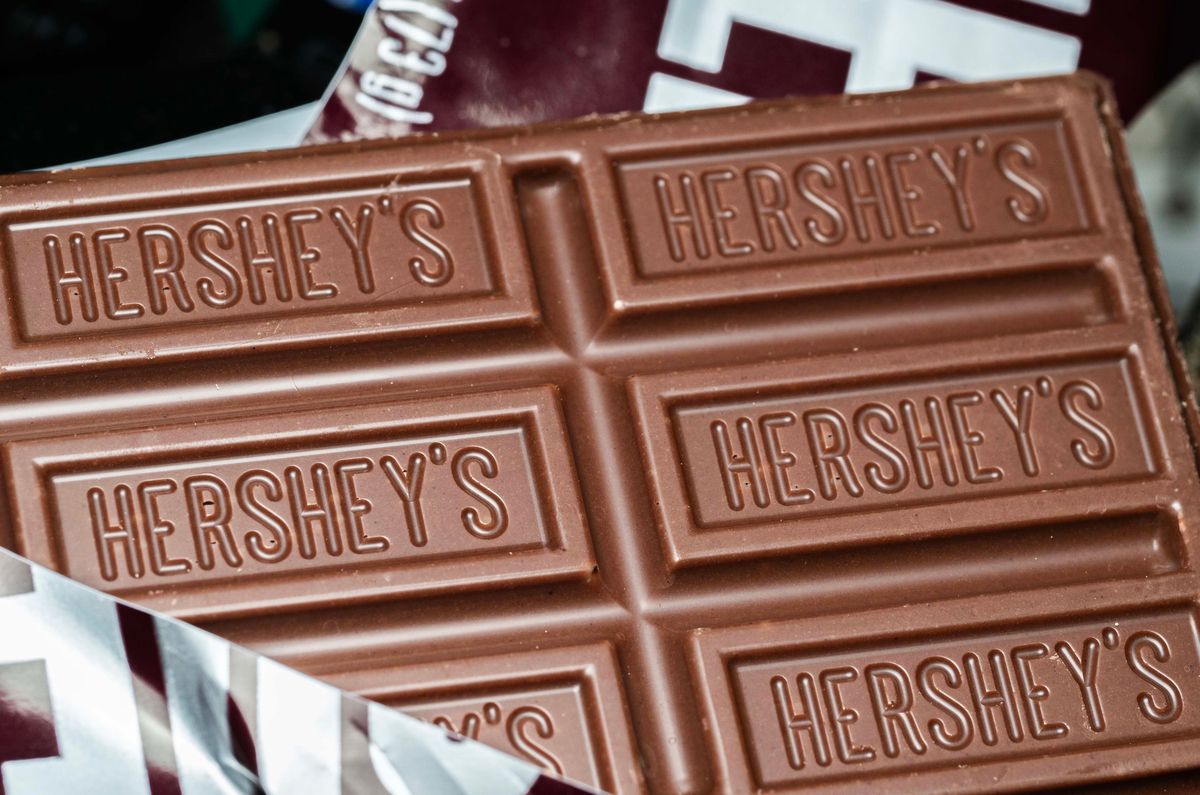
Before elaborate fillings entered the conversation, there was the pleasure of snapping a plain chocolate bar into rectangles. Hershey’s Milk Chocolate offered a smooth, sweet bite in a flat bar whose sections made sharing possible, even when sharing required negotiation.
Introduced in 1900, it was already an established name by the sixties. Its packaging changed from the original white paper with gold lettering to the familiar maroon-and-silver design documented by Hershey Community Archives.
The bar remains available today, carrying a name that needs very little introduction at the candy counter.
Lemonhead
Lemonheads brought a different kind of excitement: the small dare of a tart first taste. The round yellow candies paired a softer, sour outer shell with a sweet, hard center, giving each piece more personality than its size suggested.
Ferrara introduced Lemonhead in 1962, making it a true arrival of the decade rather than an older candy adopted by another generation. Its boxed presentation suited the little spheres inside.
Ferrara still sells Original Lemonhead, while the modern lineup also includes chewy ropes. For nostalgia seekers, the original still has that familiar sweet-and-sour contrast.
Tootsie Roll
A Tootsie Roll asked you to slow down. The brown, oblong candy had a firm chew and a cocoa flavor that sat somewhere apart from an ordinary chocolate bar. Unwrapping a single piece was the start of a longer commitment.
Tootsie dates its beginnings to 1896 and credits Leo Hirschfield with creating the candy and naming it for his daughter. By the 1960s, this was a veteran treat rather than a novelty.
The company moved to Chicago in 1968. Tootsie Rolls remain in production, with multiple sizes offering different versions of that same deliberately chewy experience.
Dubble Bubble
Candy could disappear in a few bites, but bubble gum gave you something to do. Dubble Bubble’s pink chunks started firm, softened with chewing, and turned a sweet purchase into a test of bubble-blowing skill.
The brand dates to 1928, placing it well before the sixties children who would claim it as their own. Individually wrapped pieces made the gum easy to tuck away for later, although waiting was another matter.
Dubble Bubble is still sold today, including through Tootsie’s official shop in nostalgic boxes. The pleasure remains wonderfully uncomplicated: chew, blow, and see whether your next bubble holds.
Milk Duds
Milk Duds proved that a candy didn’t need a perfect shape to earn affection. These little brown, chocolate-covered caramels were unevenly rounded and stubbornly chewy, making a box feel like something to settle in with.
Hershey identifies their original maker as F. Hoffman & Company of Chicago, which introduced them in 1928. The company explains that the “duds” name came from unsuccessful attempts to produce perfectly round pieces.
Boxed packaging became part of their appeal, especially as movie candy. They remain available under Hershey, which acquired the brand in 1996, preserving a name built around an imperfection.
Dum-Dums
A small, round lollipop on a stick could make choosing a flavor feel like serious business. Dum-Dums offered hard candy to dissolve slowly, with individual wrappers that became part of the attraction rather than something immediately discarded.
Akron Candy Company created the brand in 1924, and Spangler took it over in 1953. In 1959, Spangler launched “Save Wraps for Stuff,” allowing children to exchange saved wrappers for toys and other items.
By 1966, its history records ten flavors, including butterscotch, grape, and coconut-pineapple. Dum-Dums are still sold, although the wrapper redemption program ended again in 2020.
Junior Mints
Junior Mints offered a miniature contrast: a dark chocolate exterior surrounding a soft, creamy peppermint center. The small, rounded pieces felt quite different from the pulling and chewing required by caramel candies.
Introduced in 1949, they were comfortably established before the sixties began. Their boxed format invited the familiar question: should you tip out one more piece? Today, Tootsie still makes Junior Mints and describes them as a movie-theater favorite.
Modern versions include miniature pieces in resealable pouches, but the original chocolate-and-peppermint combination remains available. That cool mint filling still gives this candy its particular character.
DOTS
DOTS made a box of candy look like a tiny collection: colorful, rounded gumdrops with a dense, springy chew. Sorting them before eating could become half the entertainment.
Introduced in 1945, DOTS belonged to the candy landscape well before the 1960s. They joined the Tootsie family in 1972 and remain available today. The current original assortment includes cherry, strawberry, lemon, lime, and orange.
Without chocolate or a hard shell, their appeal rests on fruity flavor and that unmistakable texture. Picking a favorite color sparks a running debate in every box. Those wrappers and little boxes held memories, too. Which 1960s candy do you remember most, and what made it your first choice?