8 Candy Bars Boomers Loved That Were Quietly Discontinued
For kids growing up in the 1950s, 1960s, and 1970s, the candy aisle at the corner drugstore or five-and-dime was a wonderland. A few coins could buy a candy bar the size of your hand, and there were dozens of brands to choose from. Some were made by giant companies, while others came from small regional candy makers that sold mostly in their home states.
Over the decades, many of those bars disappeared. Some were dropped because of falling sales or rising costs. Others vanished when candy companies merged, and the new owners decided to focus on their biggest brands. Many disappeared quietly, without any announcement, leaving fans wondering what happened.
Here are eight candy bars that boomers and Gen Xers loved, and what became of them. Some are gone for good, while a few have made surprising comebacks.
1. Marathon Bar
The Marathon bar was introduced by Mars in 1973, and it was unforgettable. It was a long, braided rope of chewy caramel covered in milk chocolate, measuring about eight inches. The wrapper even had a ruler printed on it so kids could prove how long it was.
The bar was hugely popular with children, who liked that it lasted so long. Television ads leaned into the idea that it lasted longer than any other bar. But Mars discontinued it in the United States in 1981.
A similar bar called Curly Wurly is still sold in the United Kingdom by Cadbury. Many Americans who loved the Marathon bar track down Curly Wurly through import shops.
2. Bar None
Hershey introduced Bar None in 1987, and it quickly gained a devoted following. It combined chocolate wafers, chocolate cream, and peanuts, all coated in milk chocolate. The slogan promised a candy bar that was better than any other.
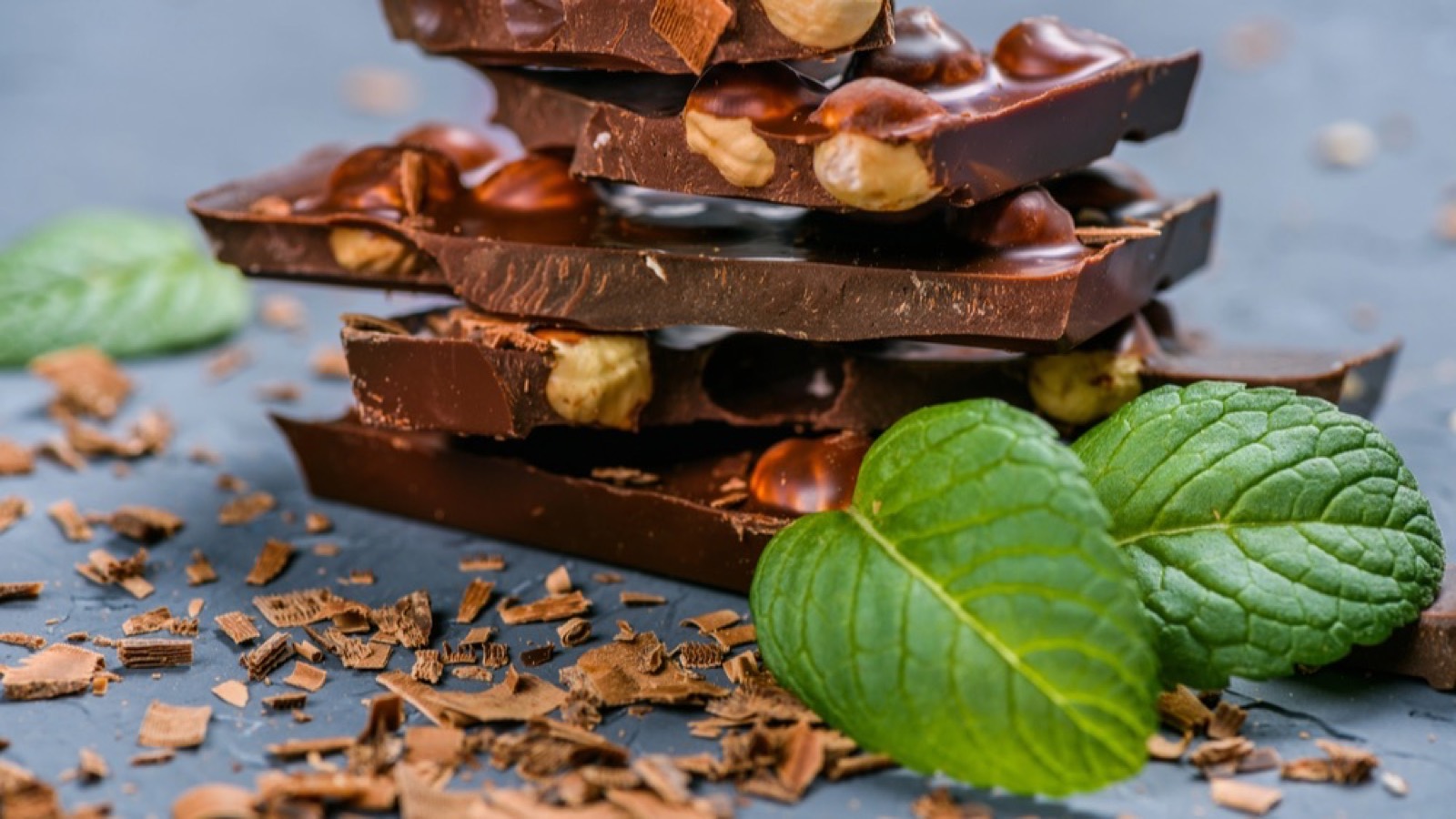
In the early 1990s, Hershey changed the recipe, splitting the bar into two pieces and adding caramel. Fans did not like the change, and sales dropped. Bar None was discontinued in 1997.
Many Gen Xers still remember it as one of the best candy bars of their childhood. Online petitions have asked Hershey to bring it back, but so far it has not returned.
3. PB Max
PB Max was introduced by Mars in 1989. It was a square cookie topped with creamy peanut butter and covered in milk chocolate. Many fans compared it to a giant peanut butter cup on a cookie.
The bar had strong sales but was discontinued in 2004. One widely repeated explanation is that members of the Mars family did not like peanut butter, though that story has never been officially confirmed.
Whatever the reason, PB Max remains one of the most missed candy bars in America. It appears on nearly every list of discontinued candy fans want back.
4. The Original American Mars Bar
Many younger Americans think of the Mars bar as a British candy. But for decades, the United States had its own Mars bar, made with vanilla nougat and toasted almonds covered in milk chocolate. It was sold in America from the 1930s and was a favorite with people who liked a nutty, less sugary bar.
In 2002, Mars replaced it with Snickers Almond, which was similar but used a different nougat and added caramel. Fans noticed the change right away, and many said the new bar was too sweet.
Mars briefly brought back the American Mars bar in 2010, but it was dropped again a few years later. For many boomers, the original version remains one of the most missed candy bars of all time.
5. Reggie! Bar
The Reggie! bar was named after New York Yankees star Reggie Jackson. It was released in 1978 by Standard Brands and was made with peanuts and caramel covered in chocolate. Fans received the bar at a Yankees game in 1978, and some threw them onto the field after Jackson hit a home run.
The bar was sold for a few years but was discontinued in 1980. It briefly returned in 1993 but did not last long. Today, it is remembered mostly by baseball fans and candy collectors.
For many boomers, the Reggie! bar is a fun reminder of how celebrity and candy came together in the 1970s.
6. Hershey’s Kissables and Swoops
Hershey’s Swoops were thin, curved slices of chocolate shaped like potato chips, introduced in 2003. They came in flavors like Hershey’s milk chocolate, Reese’s, and Almond Joy. Kissables were small, candy-coated Hershey’s Kisses introduced in 2005.
Both products were discontinued within a few years. Kissables were dropped after Hershey changed the recipe, and fans noticed the chocolate tasted different. Swoops disappeared in 2006.
These may be more familiar to younger generations than to boomers. But they show that even big-name candy can vanish quickly.
7. Milky Way Dark
The original Milky Way Dark, also called Forever Yours, had vanilla nougat and caramel covered in dark chocolate. Mars sold Forever Yours from the 1930s until 1979, then brought it back in 1989 as Milky Way Dark. It was later renamed Milky Way Midnight.
Many boomers remember Forever Yours as a special treat. The dark chocolate and vanilla nougat made it different from the regular Milky Way. Its name changes over the years confused many fans. Milky Way’s dark chocolate version still exists under the Midnight name in some markets, but many fans say it is not the same as the original Forever Yours.
8. Clark Bar and Necco Wafers
The Clark bar, a crunchy peanut butter crisp covered in chocolate, was first made in Pittsburgh in 1917. Necco Wafers, the chalky, pastel candy discs, date back to the 1800s. For generations, both were made by the New England Confectionery Company, better known as Necco.
In 2018, Necco suddenly shut down, and fans panicked that both candies were gone forever. For a while, they disappeared from store shelves. Collectors stocked up on the last packs they could find.
Happily, both were rescued. The Boyer Candy Company bought the Clark bar, and the Spangler Candy Company bought Necco Wafers and brought them back in 2020. Their close call shows how quickly even century-old candy can vanish.
Why Candy Bars Disappear
Candy companies discontinue bars for many reasons. Sales may drop as tastes change, or ingredient costs may rise too high. Sometimes companies want to make room for new products or focus on their biggest sellers.
Mergers have also played a big role. As larger companies bought smaller candy makers, many regional brands were dropped. The candy aisle today is dominated by a handful of companies, including Mars, Hershey, Ferrero, and Mondelez.
The National Confectioners Association tracks the American candy industry, which now sells billions of dollars of chocolate and candy every year. Even so, many beloved bars did not survive. Sweets like these show up on many lists of the foods most boomers loved with a passion.
The Hunt for Retro Candy
Many specialty candy shops now sell retro candy for people who miss the treats of their childhood. Some regional bars from the past are still made by small companies. Online stores ship nostalgic candy around the country.
For many boomers, finding a candy bar from childhood is a thrill. The taste can bring back memories of summer afternoons, Saturday matinees, and allowance money spent at the corner store. Those memories are part of the boomer childhood things that vanished along with the five-and-dime.
Will They Ever Come Back?
Some discontinued candy bars have returned after fans demanded them. Companies know that nostalgia sells, and limited-edition releases can create buzz. But many classic bars are likely gone forever.
Which discontinued candy bar do you miss the most, and would you buy it again if it returned tomorrow? Many readers say the Marathon bar is at the top of their list.