8 Careless Habits That Make You A Target For Criminals
Most people move through daily life assuming danger will announce itself loudly. It rarely does. Trouble often begins in quiet, ordinary moments: a phone held too long in a parking lot, a bag left open at a café, a door left unlocked “just for a minute,” or a social media post that reveals too much.
Safety is not about looking scared. It is about being aware. Criminals often prefer people who seem distracted, careless, isolated, or easy to pressure. When we move with attention and set firm boundaries, we reduce those easy openings.
These small habits can make us look distracted, predictable, or easy to approach. Crime is the choice of the wrongdoer, but prevention helps us reclaim control and move with confidence.
Walking Around Distracted by Your Phone
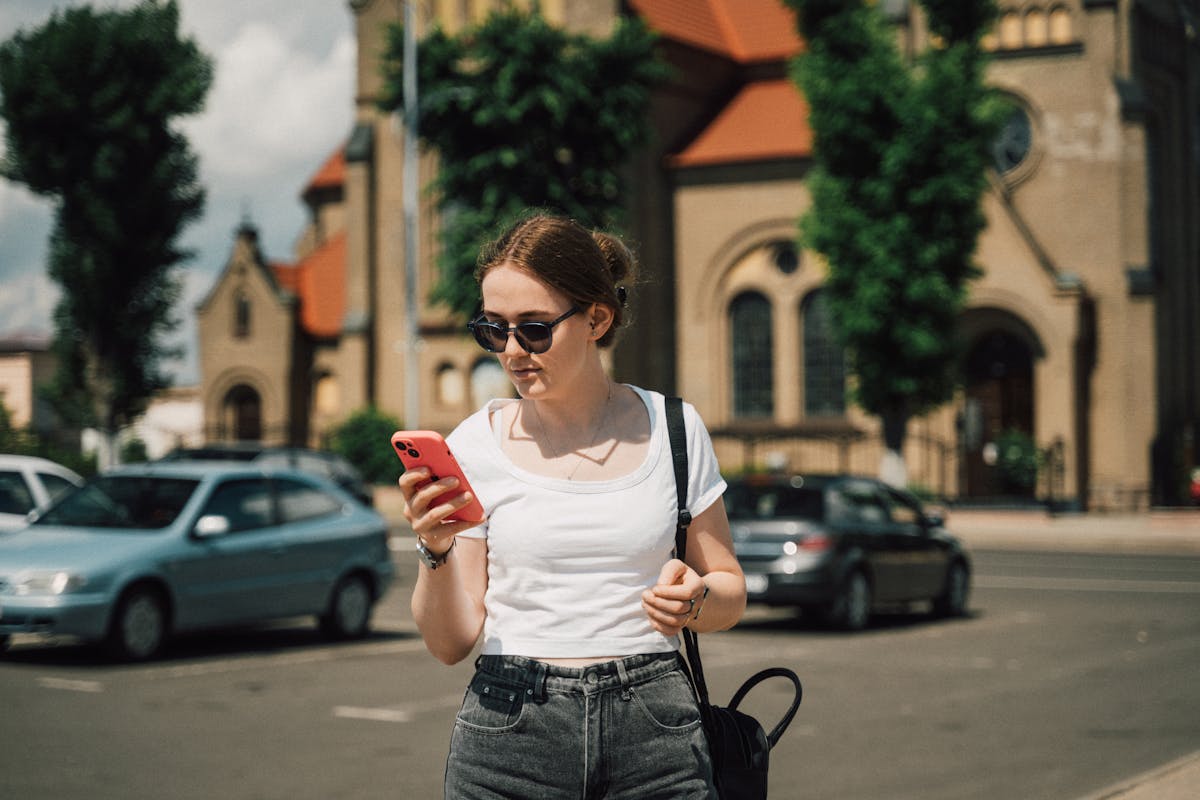
One of the most common habits that makes you a target for criminals is walking with your full attention buried in your phone. It happens everywhere: sidewalks, parking lots, shopping centers, gas stations, elevators, and public transit stops. When our eyes stay on the screen, we may miss someone standing too close, watching our bag, following our pace, or waiting near our car.
Phones are useful, but they can quietly lower awareness. A person scrolling, texting, or checking directions may react more slowly than someone who is looking up and scanning the area. Criminals often prefer easy chances, and distraction can make someone appear less prepared to respond.
A safer habit is simple. Before checking a message, we should pause, look around, and step to the side. In parking lots, keep the phone down and the head up. If using maps, check the route briefly, then walk with purpose. The message can wait a few seconds. Awareness is worth more than a fast reply.
Leaving Valuables in Plain Sight
Visible valuables can turn an ordinary moment into an opportunity. A purse on the back of a chair, a phone on a restaurant table, a laptop in a car seat, or a wallet peeking out of a back pocket can draw attention fast. Many thefts are not dramatic or carefully planned. They happen because someone spots an item that looks easy to grab.
Cars are a major example. A backpack, shopping bag, gym bag, or computer case in plain view can invite a break-in, even if it contains nothing valuable. The person outside the car does not know what is inside. The possibility may be enough.
Treat valuables like private information: keep them close, covered, and controlled. Bags should stay zipped, phones should be off the table edges, and wallets should be in secure places. Before leaving a car, put valuables out of sight. A car should appear boring from the outside.
Oversharing Your Location and Routine Online
Social media can make our lives feel public in ways we do not always notice. Posting vacation photos in real time can reveal that a home is empty. Sharing a gym check-in every morning can show a repeated routine. Tagging a restaurant, hotel, workplace, school, or neighborhood can give strangers more information than they need.
This habit is risky because patterns are powerful. One post may not seem important. Several posts can show where we go, when we leave, who we are with, and when we are alone. Public accounts, loose privacy settings, and unknown followers increase the risk.
A safer approach is to post after returning home, remove or delay location tags, and keep schedules vague. Review followers, tighten privacy, and avoid sharing details about children, addresses, or routines. Online attention is not worth giving away real-world safety.
Ignoring Your Surroundings in Parking Lots
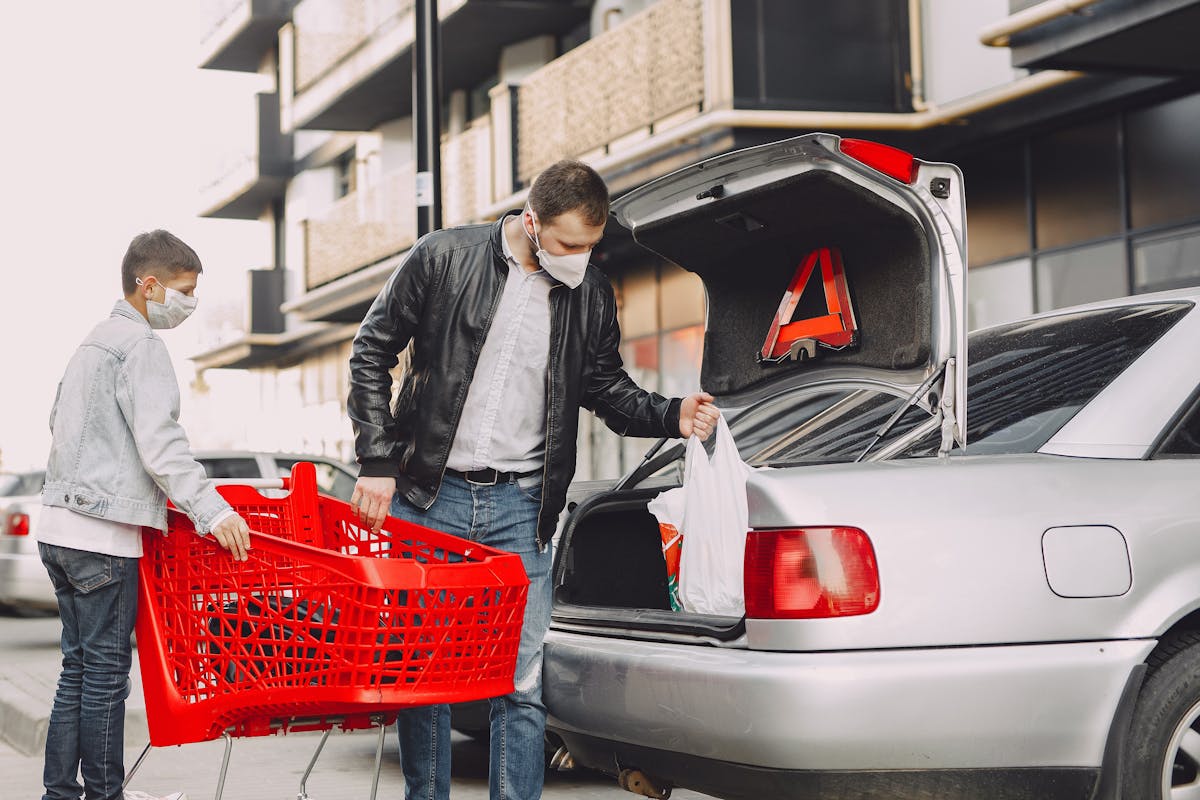
Parking lots deserve more attention than many people give them. They are busy enough for strangers to blend in, but open enough for someone to watch from a distance. People are often distracted while loading groceries, searching for keys, handling children, checking receipts, or the car for too long while organizing bags, scrolling through a phone, or digging through a purse. The longer we stay distracted in one spot, the easier it becomes for someone to approach.
Have a quick routine: scan, unlock, load, lock. Move calmly; if uneasy, return to safety. Efficiency lowers exposure.
Taking Dark Shortcuts or Isolated Routes
Shortcuts feel smart until they lead us to places with fewer people, poor lighting, and limited exits. Empty stairwells, dark alleys, quiet side streets, deserted parking areas, and isolated transit stops can increase risk because there are fewer witnesses and fewer options for help. Criminals looking for privacy may prefer places where interruptions are less likely.
This does not mean every quiet place is dangerous. It means we should avoid making isolation a habit, especially at night or in unfamiliar areas. Saving five minutes is not worth losing the safety of light, traffic, and people.
Favor visible, well-lit, busy routes. Trust hesitation and turn around quickly if unsure. Choosing safety isn’t a weakness.
Trusting Strangers Too Quickly

Not every criminal looks threatening. Some sound polite, helpful, urgent, or official. Scammers and manipulators often rely on trust. They may pretend to be from a bank, a delivery service, a charity, a government office, a tech support company, or even a relative in trouble. Their goal is to make us act before we think.
The warning sign is pressure. “Do this now.” “Send the code.” “Click the link.” “Pay immediately.” “Do not tell anyone.” These phrases are designed to create panic or secrecy. Once fear takes over, people may share passwords, transfer money, open doors, or hand over personal information.
We should slow everything down. Real companies do not need passwords or one-time codes through random calls or messages. Real emergencies can be verified. If someone contacts us unexpectedly, we should stop, check the official source, and contact the company or person directly using a trusted number. A five-minute delay can prevent a painful mistake.
Leaving Doors, Windows, and Garages Unsecured
Home safety often depends on boring habits that work. Locking doors, closing windows, securing garages, and checking entry points may not feel exciting, but these habits matter. Many people focus on expensive security systems while forgetting the basics. An unlocked door can defeat every good intention.
Criminals may look for easy entry. They may test car doors, side gates, garage handles, windows, and back doors. A home with dark entrances, overgrown shrubs, open garages, or packages sitting outside can appear less protected.
Lock entries, secure keys, light up outdoors, and tidy surroundings. Make it clear your home is cared for and not an easy target.
Ignoring Your Instincts to Avoid Being Rude

One of the most dangerous habits is ignoring discomfort because we do not want to seem rude. Many people stay in awkward situations too long. They keep talking to someone who makes them uneasy. They avoid crossing the street because they do not want to offend.
They accept help they never asked for. They stay quiet when someone stands too close.Instinct is not perfect, but it is useful. The body can notice tone, distance, movement, and behavior before the mind explains the risk.
A strange feeling does not always mean danger, but it is still worth respecting.Give yourself permission to act on discomfort. Set boundaries early. Safety outweighs politeness.
Conclusion
The key takeaway: everyday habits, like looking at your phone, leaving valuables visible, posting your location online, taking isolated shortcuts, and ignoring gut instincts, can increase risk and make you a target for criminals.
While these actions do not make anyone responsible for crime, adopting safer habits is a practical way to strengthen your daily safety.We do not need to live with fear in our pockets.
We need practical awareness, stronger boundaries, and better routines. A locked door, a lifted head, a delayed post, a hidden bag, and a firm “no” can all send the same message: we are paying attention.