8 Childhood Chores Boomers Had to Do That Kids Today Would Hate
Your friends were already outside when somebody set a bowl of pea pods in front of you. At first, the job looked easy. Then you cracked open a dozen pods, looked down, and realized you barely had enough peas to cover the bottom of the bowl.
Childhood chores depended on where you lived and what your family needed. A kid in a city apartment might never have handled a storm window, while a kid with a backyard garden knew what a full basket meant. What these jobs had in common was how easily they could eat up the best part of an afternoon.
Helping defrost the Refrigerator
When ice built up inside a refrigerator that needed manual defrosting, the food had to come out, and the meltwater had to go somewhere. A child might carry jars to the counter, fetch another towel, or wipe the shelves once an adult had dealt with the appliance. Even with everybody pitching in, the ice melted on its own time.
In Apartment Therapy’s reconstruction of a 1950s Good Housekeeping schedule, defrosting the fridge was on the Friday list. Imagine being ready to play and hearing the slow drip that told you the kitchen still needed you.
Shelling Peas Until the Bowl is Finally Filled
There was a rhythm to shelling peas once you got going. Split the pod with your thumbnail, push the peas into the bowl, and toss the empty shell aside. Of course, every few pods a pea would make a break for it and roll under the table.
In an oral history recorded by the University of Arkansas, Jim Lindsey remembered his family gathering around a pile of peas in the kitchen. They put the peas in a pan and the hulls in a basket. If you’ve only ever shaken frozen peas straight into a saucepan, it’s easy to miss how much work came before dinner.
Lugging Empty Soda Bottles Back to the Store
The trip to the store came with its own soundtrack. Every time the carrier shifted in your hands, the bottles knocked against one another. Empty glass was still heavy enough to make you switch hands halfway there, especially if you’d volunteered to take the neighbor’s bottles, too.
Refillable bottles accounted for about 96 percent of the U.S. soft drink market in 1959, according to a federal report published in 1977. Returning the empties meant getting the deposit back. That gave a kid something to look forward to at the counter, even if most of the coins went straight back to whoever paid for the soda.
Helping put up the Storm Windows
In a house with separate storm windows and screens, a change in season could mean taking one set down and putting the other up. An adult might handle the glass while a child carried supplies, wiped reachable frames, or helped clear a spot to set each panel.
The job got longer with every window you remembered. There was the one over the kitchen sink, the one in the room hardly anybody used, and the one somebody had stacked behind everything else in the garage. If you grew up with a screen that stayed in place, that much fuss over a window might be hard to picture.
Polishing Dress Shoes before going Out
The newspaper went down first, followed by the brush, the cloth, and the little tin of polish. Dirt had to come off before the leather could take a shine. Then there was the scuff on the toe, which always looked worse when you turned the shoe toward the light.
A midcentury Kiwi advertisement preserved by the National Library of New Zealand promoted polish as protection against wet weather. To a child getting ready for a family outing, the immediate concern was getting both shoes to look roughly the same before someone called from the car.
Pushing a Carpet Sweeper Back and Forth
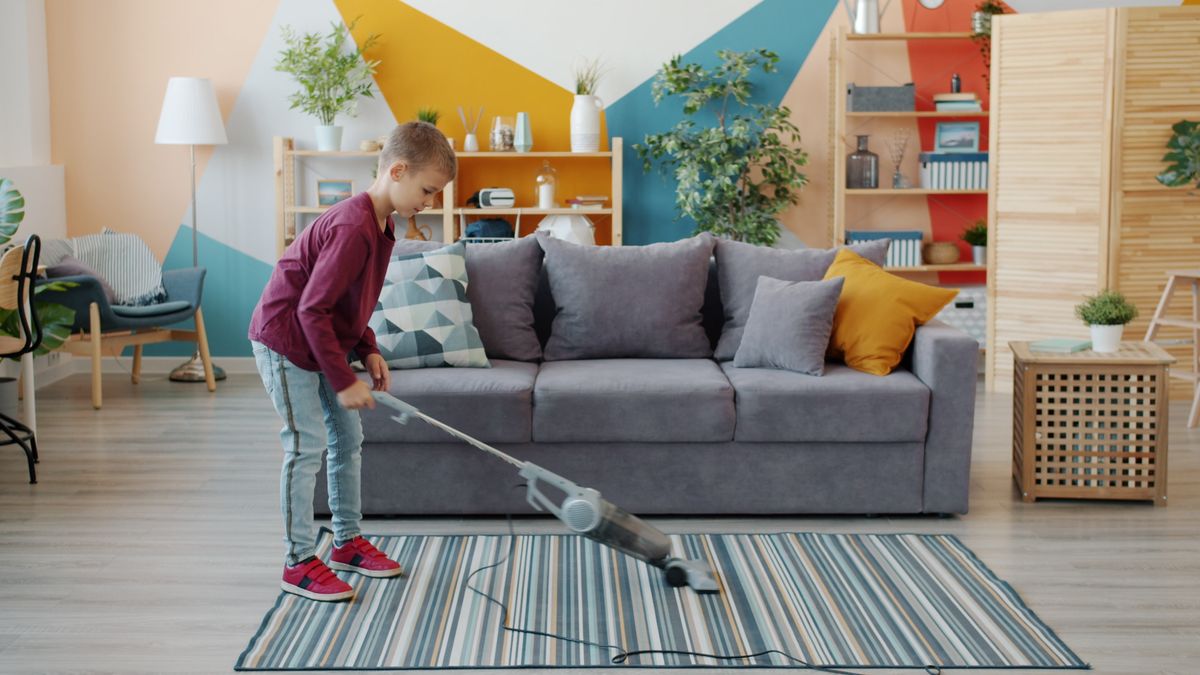
A manual carpet sweeper collected dirt as you pushed it. The Smithsonian’s example uses the wheels’ motion to turn brushes, which send crumbs and dust into a compartment underneath.
With no motor humming, you could hear the brush change pitch as you went from bare floor onto the rug. The open stretch was easy. The crumbs beside the couch took more passes, and the dining table seemed to have twice as many legs once you had to steer around them all. Then you had to empty the compartment without spilling your work back onto the floor.
Washing the Floor and waiting for It to Dry
First you moved the chairs. Then you swept, washed around the table legs, and worked backward toward the doorway so you could get out without leaving footprints. By then, someone was bound to remember they wanted something from the refrigerator.
The most irritating part might be hearing “I’ll be quick” from a sibling who was already halfway across the kitchen. Some household chores ended when you put the tools away. This one could leave you standing at the doorway, guarding the wet floor until it dried.
Taking a Turn at the Ice Cream Crank
A hand-cranked ice cream freezer used ice and salt to chill the mixture while paddles kept it moving. Each turn brought dessert a little closer, though it could feel that way when your arm got tired, and the next person suddenly found something else to do.
Now you can grab a carton and be eating before the freezer door swings shut. But the old job makes such a good family story for a reason. Years later, somebody will still remember who did most of the cranking and who showed up just in time to lick the paddle.