8 Dining Car Dishes Train Travelers Loved Before the Jet Age
Long before airplanes became the usual way to cross the country, Americans traveled by train. And for many passengers, the best part of the journey was the dining car. White tablecloths, gleaming silverware and waiters in crisp jackets turned a trip across the plains or through the mountains into an elegant dining experience, all while the scenery rolled past the window.
Railroads took enormous pride in their dining cars. Each line wanted to be known for its food, and many developed signature dishes that became famous with travelers. Meals were cooked fresh in tiny galley kitchens, often by skilled chefs who managed to turn out multi-course dinners while the train swayed down the tracks.
As air travel and highways took over in the 1950s and 1960s, the golden age of the dining car slowly faded. But many older Americans still remember those meals, and some dishes became legends. Here are dining car dishes train travelers loved before the jet age.
1. The Great Big Baked Potato
The Northern Pacific Railway became famous for its “Great Big Baked Potato” in the early 1900s. The railroad promoted giant baked potatoes, often weighing two pounds or more, grown in the Pacific Northwest. The idea reportedly came from a railroad official who wanted to help local farmers sell their oversized potatoes.
The potatoes were served with butter and became so popular that the Northern Pacific used them in advertising, on postcards and even on its dining car china. Travelers looked forward to ordering one on their trip. The Great Big Baked Potato became a symbol of the railroad’s hospitality for decades.
2. French Toast
The Santa Fe Railway was known for its French toast, made with thick slices of bread soaked in a rich egg and cream mixture and cooked until golden. It was served with butter, syrup or powdered sugar and became one of the line’s most beloved breakfast dishes. Many passengers considered it the best French toast they’d ever had.
The Santa Fe’s dining service was closely tied to the Fred Harvey Company, which ran restaurants and hotels along the route and set high standards for food and service. Breakfast in the dining car, with a hot cup of coffee and a view of the desert sunrise, was a memorable start to the day.
3. Fresh Trout and Local Fish
Many railroads served fresh fish caught along their routes. Mountain trout was a favorite on lines that passed through the Rocky Mountains, while railroads in the Northeast served fresh seafood from the Atlantic coast. Passengers enjoyed dishes that reflected the region they were traveling through.
Serving fresh local food was a point of pride for railroad chefs. Menus often changed depending on the route and the season. For travelers, eating a trout dinner while passing through the mountains where the fish was caught added to the magic of the journey.
4. Chicken Pot Pie
Chicken pot pie was a comforting staple on many dining car menus. Tender chicken and vegetables in a creamy sauce were baked under a flaky crust and served piping hot. It was hearty, familiar and perfect for a long day of travel.
Dishes like pot pie were practical for railroad kitchens too. They could be prepared in advance and baked to order, making them easier to serve to a full dining car. Many travelers remember pot pie as the kind of home-style comfort food that made a long train ride feel cozy.
5. Oyster Stew and Oyster Dishes
Oysters were extremely popular in America in the late 1800s and early 1900s, and they often appeared on dining car menus. Oyster stew, fried oysters and oysters on the half shell were common offerings, especially on eastern routes.
Railroads used ice and refrigerated cars to keep oysters fresh as they traveled inland. For many passengers in the Midwest and beyond, a dining car meal was one of their few chances to enjoy oysters. It was a luxury that made train travel feel special.
6. Prime Rib and Steaks
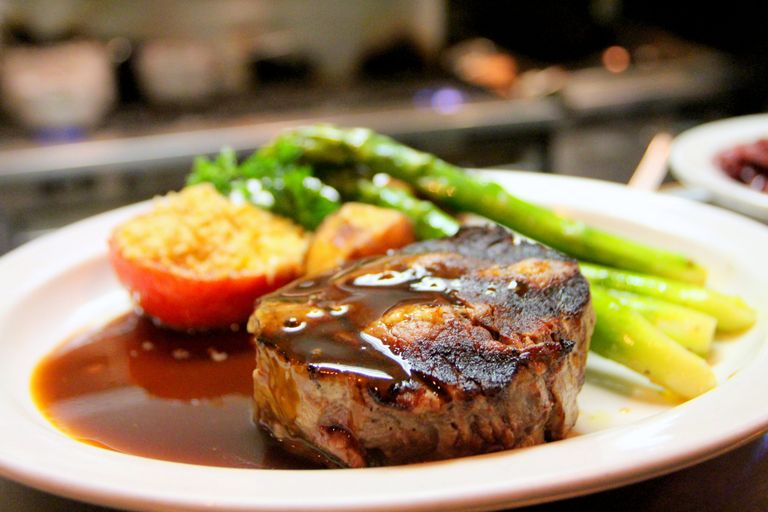
For dinner, many travelers ordered hearty meat dishes like prime rib, steak or roast beef. Railroads that ran through cattle country often promoted their beef, serving thick cuts cooked to order. A steak dinner in the dining car, complete with potatoes, vegetables and a roll, was a highlight of many trips.
These meals were often surprisingly elaborate considering the small galley kitchens where they were cooked. Chefs worked in cramped spaces, sometimes with coal-fired stoves in the early days, to prepare restaurant-quality meals. Many passengers marveled at how they did it.
7. Homemade Pies and Desserts
Dessert was never an afterthought in the dining car. Railroads served homemade pies, cakes, puddings and ice cream. Apple pie, often served with a slice of cheese or a scoop of ice cream, was a classic. Some lines were known for specific desserts that travelers looked forward to on every trip.
Baking in a moving train was no easy task, but railroad bakers managed to produce fresh breads, rolls and pastries every day. The smell of fresh-baked goods drifting through the train was part of the experience. Many travelers ended their meal with pie and coffee as the sun set outside the window.
8. Fresh Rolls and Breads
Warm rolls, biscuits and breads accompanied most dining car meals. Some railroads became known for their breads, including corn muffins, cinnamon rolls and dinner rolls baked fresh on board or at commissaries along the route. They were served with real butter and often refilled generously.
For many passengers, these simple touches made a meal feel complete. A basket of warm rolls set on a white tablecloth was a small luxury that turned an ordinary trip into a pleasant memory.
The Fred Harvey Legacy
No discussion of railroad dining is complete without the Fred Harvey Company. Beginning in the 1870s, Harvey opened restaurants, called Harvey Houses, along the Santa Fe line, offering travelers quality meals at a time when railroad food was often poor. He later operated dining car service as well.
The Harvey Houses were staffed by the famous “Harvey Girls,” young women who worked as waitresses and became part of Western history. Their story was even turned into a 1946 movie starring Judy Garland. Harvey’s high standards helped shape American expectations for restaurant service.
Why Dining Cars Declined
After World War II, more Americans began traveling by car and airplane. The new interstate highway system made road trips easier, and jet travel made cross-country trips much faster. Passenger rail ridership fell, and railroads began cutting costly services like dining cars.
In 1971, Amtrak took over most intercity passenger rail service in the United States. Dining cars continued on some long-distance routes, though menus changed over the years. Today, train travelers can still eat in dining cars on some routes, but the golden age of railroad dining, with its signature dishes and elegant service, has become part of history.
A Taste of the Past
For those who remember riding the rails as children, dining car meals remain cherished memories. Some railroad recipes have been preserved in cookbooks and museums, and enthusiasts recreate them at home. Railroad museums sometimes host special dinners featuring classic dining car dishes.
If you ever have the chance to ride a long-distance train, consider having a meal in the dining car. It may not be quite the same as it was in the 1940s, but watching the countryside roll by while you eat is still one of travel’s simple pleasures. It’s a reminder of the days when the journey itself was part of the adventure, much like the road trip rituals many families still remember.