7 Things North Carolinians Can’t Legally Toss in a Household Garbage Bin
Taking out the trash is one of those household chores most people do without giving it much thought. An empty soda can, an old television, a dead car battery, or a bag of leaves might all look like things that need to disappear from the house.
But in North Carolina, some everyday household items are subject to statewide landfill disposal bans. That means residents cannot knowingly send certain materials to a landfill with ordinary garbage. Some must be recycled, while others require a designated collection site.
The distinction matters because putting something in a household garbage bin can send it along the wrong disposal route. Here are seven items North Carolinians should think twice about throwing away.
Used Motor Oil
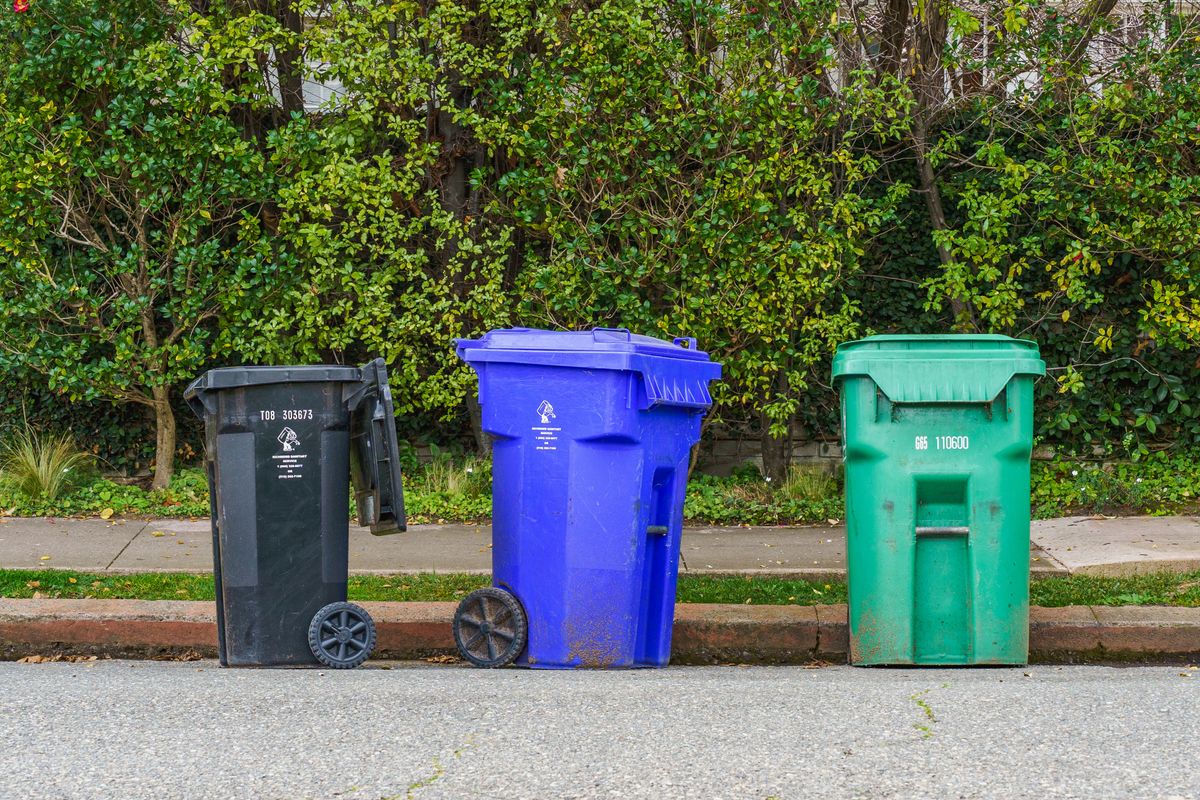
Changing your own car’s oil can save money, but it leaves you with something that should never be treated like ordinary household waste.
North Carolina prohibits the disposal of used motor oil in landfills. Pouring it into a storm drain, onto the ground, or down a household drain is also irresponsible.
Used oil can often be recycled. Some auto parts retailers accept it, and many local household hazardous waste collection programs provide drop-off options.
The important thing is to keep the oil in a sealed, appropriate container until you can take it to an approved collection point. If you also change your vehicle’s oil filter, remember that used motor vehicle oil filters are covered by a separate landfill disposal ban.
Lead-Acid Car Batteries
A dead car battery may look like ordinary garage clutter, but it contains materials that require special handling.
North Carolina prohibits knowingly disposing of lead-acid batteries in landfills. These are the familiar batteries used to start many cars and other vehicles.
Fortunately, they are widely collected for recycling. Battery retailers, wholesalers, and authorized recycling facilities may accept used batteries.
This is particularly important when a battery is replaced at home. Leaving the old one beside the garbage can does not make it ordinary trash. Keep it secure and arrange for proper collection instead.
Related: 8 Strange Traffic Laws Around the World That Could Get You Fined
Old Televisions and Computer Equipment
Technology changes quickly, and many households have an old television, desktop computer, or monitor sitting in a spare room or garage.
North Carolina has a landfill ban covering discarded televisions and specified computer equipment. The state’s definition includes computers, monitors, computer video displays, printers, scanners, and combination printer-scanner-fax machines.
That means an outdated computer monitor should not simply be placed in the regular household garbage.
Residents can look for local electronics recycling programs, collection events, or retailers that accept qualifying equipment. Before dropping off an item, check the program’s requirements because accepted devices and collection arrangements can vary.
Aluminum Cans
An empty soda or beer can might seem harmless in a garbage bag, but aluminum cans are among the materials North Carolina prohibits from being knowingly disposed of in landfills.
They are valuable recyclable materials, which is why the state requires them to be kept out of ordinary landfill disposal.
For households, this change is usually easy. Instead of throwing cans into the kitchen trash, rinse them when necessary and place them in the appropriate recycling container if the local program accepts them.
It is a small adjustment, but one that can make a difference when repeated across thousands of households.
Certain Plastic Bottles and Containers
Plastic recycling rules can be confusing because not every plastic item belongs in the same collection system.
North Carolina’s landfill ban covers certain recyclable rigid plastic containers. These generally have a narrower neck than the body and are designed to accept a screw top, snap cap, or another closure. The law identifies several recyclable plastic categories, including common numbered plastics.
Exceptions include containers intended for the sale or distribution of motor oil or pesticides.
This does not mean every plastic object in a home is automatically covered by the same ban. Plastic bags, food packaging, disposable cups, and other items may follow different local rules.
The safest approach is to check your community’s recycling guidance rather than assuming that every plastic item belongs in the same bin.
Whole Scrap Tires
Old tires can take up a surprising amount of space in a garage or yard, especially after a vehicle owner replaces all four.
However, North Carolina prohibits the knowing disposal of whole scrap tires in landfills. The restriction applies to whole pneumatic rubber tires, although the law distinguishes whole solid-rubber coverings.
Tires should be taken to an appropriate tire collection or recycling facility. Some tire retailers also accept old tires when customers purchase replacements, although fees and arrangements can differ.
Leaving unwanted tires outside or adding them to a regular garbage pickup is not a sensible alternative. They need to be handled through an appropriate disposal route.
Related: 8 Most Miserable States to Raise a Family in the U.S.
Old Refrigerators, Washers, and Other Large Appliances
That broken refrigerator in the garage or washing machine waiting beside the house may look like a bulky trash problem.
North Carolina classifies certain large household appliances as white goods and prohibits landfill disposal. The category includes common appliances such as refrigerators, freezers, stoves, water heaters, washing machines, and dishwashers.
Many local governments provide designated appliance collection or recycling arrangements. Some facilities accept these items directly, while others require residents to schedule a special pickup.
Before moving an appliance, check the local rules. Refrigerators and similar equipment may require additional handling because of the materials and components they contain.
A Few More Items Deserve Attention
The seven examples above are not the only materials covered by North Carolina’s disposal restrictions. Antifreeze, wooden pallets, oyster shells, and yard trash are also included in the state’s landfill disposal bans, subject to specific exceptions.
Fluorescent lights and mercury-containing thermostats are prohibited from disposal in unlined landfills. North Carolina considers its construction and demolition landfills unlined.
An important change is also coming: December 1, 2026, is the effective date of North Carolina’s new landfill disposal ban on lithium-ion batteries. These batteries are found in phones, laptops, power tools, rechargeable devices, and many household gadgets. The state Department of Environmental Quality already advises residents never to put batteries in household trash or recycling carts because damaged batteries can start fires in collection trucks and waste facilities.
Related: 8 Deadliest Countries You Should Avoid as a Tourist
Check Your County’s Rules Before Taking Out the Trash
North Carolina’s statewide landfill bans do not mean every community has an identical collection system. One county may provide a convenient recycling center, while another may require residents to use a scheduled collection event or a designated facility.
The North Carolina Department of Environmental Quality maintains information about banned materials and household hazardous waste collection options. Checking its guidance, along with your local government’s waste services information, can help prevent disposal mistakes.
Remember that a household garbage bin is not a universal destination for everything a family no longer needs. Some items can be recycled, some require special handling, and others must be taken to a designated facility.