8 Everyday Foods People Are Surprisingly Picky About
Some foods people simply don’t like, and others can start an argument at the dinner table. One person sees a perfectly good mushroom and starts reaching for a fork, while someone else is already planning how to remove it without being noticed. Food pickiness is rarely just about flavor; texture, smell, bitterness, appearance, and even how our senses process certain ingredients can turn an ordinary food into a personal deal-breaker.
Cilantro
For some people, that little green herb tastes fresh and citrusy; for others, it tastes like someone washed dinner with soap.
Cilantro may be one of the clearest examples of how differently two people can experience the same food. Research has linked its famously “soapy” flavor to genetic differences in smell receptors, including the OR6A2 region, which responds to aldehydes found in cilantro. Research on cilantro preference and genetics. That means someone insisting that cilantro tastes like soap may not be exaggerating—they may genuinely be experiencing the herb differently.
Mushrooms
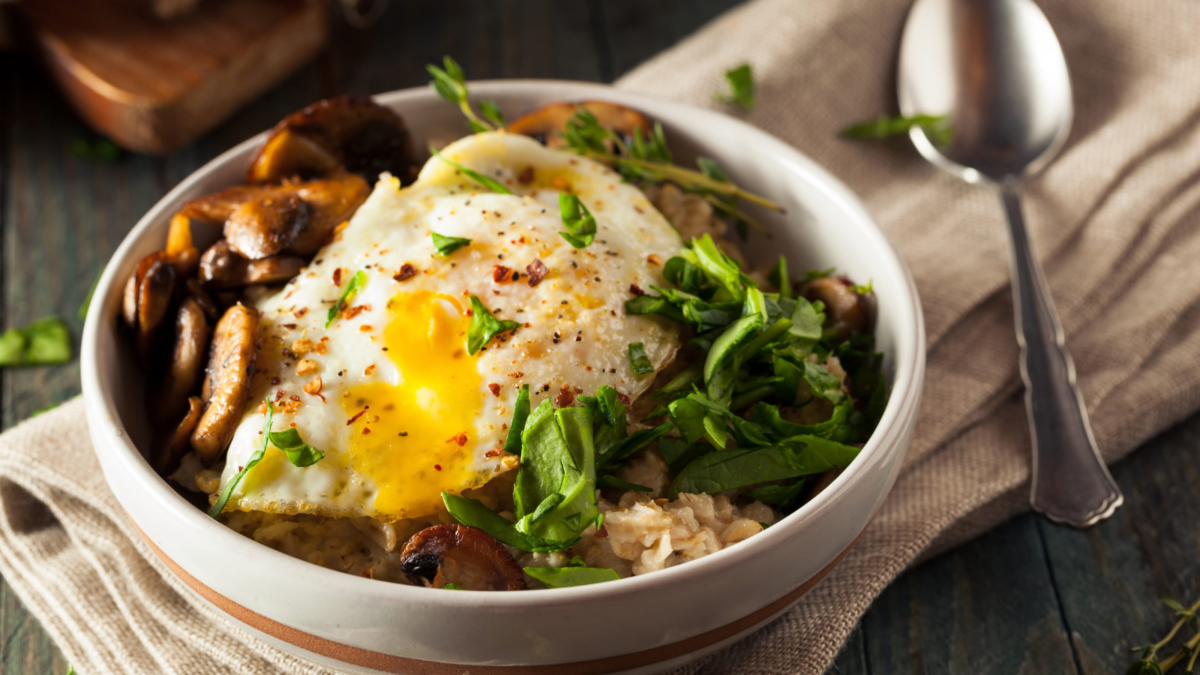
Mushrooms can go from deliciously savory to completely unacceptable depending on what your mouth thinks “slimy” means.
For mushroom haters, the problem is often less about the flavor and more about the texture. Mushrooms contain plenty of water, and when cooked poorly, they can become soft, slippery, or spongy, exactly the qualities that make certain people push their plate away. Research on food rejection found that texture is a powerful reason people reject foods, with slimy and mushy sensations among the most commonly disliked textures.
Tomatoes
The strange thing about tomatoes is that someone can love tomato sauce and still refuse to put a raw tomato anywhere near a sandwich.
Fresh tomatoes bring together several sensations at once: wetness, seeds, juice, softness, acidity, and a distinctive aroma. Studies of tomato preferences have found that texture, juiciness, seed presence, flavor, and sweetness all influence whether consumers enjoy the fruit. Research on what makes tomatoes appealing to consumers That explains why removing the seeds or changing the cooking method can completely change someone’s opinion.
Eggs
Eggs are breakfast royalty to some people and a textural nightmare to others.
The disagreement can come down to how you prepare the egg. A crispy fried egg, creamy scrambled eggs, a rubbery hard-boiled egg, and a runny poached egg are technically the same food, but they feel dramatically different in your mouth. Even research involving children who developed an aversion to eggs after previously having reactions found that dislike of taste or texture was the most frequently reported reason for avoiding them.
Olives
Few foods can ruin a perfectly good pizza faster than a handful of olives.
Olives have a combination that quickly divides people: saltiness, bitterness, acidity, firm flesh, and a distinctive fermented character. Consumer research on table olives has found that aroma and flavor drive preference, while bitterness and other strong sensory characteristics can turn people away. The interesting part is that different varieties and processing methods can produce noticeably different experiences, so someone who hates one olive may not necessarily hate them all.
Brussels Sprouts
Brussels sprouts have spent years trying to escape their reputation as the vegetable people were forced to eat as children.
Part of their divisiveness comes from bitterness, a taste that humans commonly find aversive. Research into consumer preferences for bitter foods has found that bitterness can strongly influence whether people accept vegetables, while familiarity and repeated exposure can change how that bitterness is perceived. This may help explain why someone who remembers boiled, overcooked sprouts from childhood can react completely differently to properly roasted ones.
Related: 5 Most Hated Vegetables in America, And Why We Can’t Stop Talking About Them
Avocado
Avocado is creamy, fashionable, and everywhere—but that soft texture is exactly what some people cannot stand.
For avocado lovers, the buttery consistency is the entire attraction. For someone sensitive to soft or mushy foods, however, that same quality can be enough to ruin toast, salads, or tacos. It is another reminder that “good texture” isn’t universal; what one person calls creamy, another may call mushy or even unpleasant.
Cottage Cheese
Cottage cheese may be nutritious, but those little curds floating in creamy liquid are enough to divide a room.
The problem here is almost entirely sensory. You get soft curds, moisture, creaminess, and a slightly tangy flavor all at once, creating a combination that some people find comforting and others find deeply strange. That reaction fits what researchers have observed about food rejection generally: texture, flavor, and aroma can work independently or together to make a food appealing—or completely unacceptable.
Pickiness Is More Complicated Than “I Don’t Like It”
Sometimes refusing a food has surprisingly little to do with being difficult and much more to do with how your senses experience it.
That is why changing the preparation can occasionally change someone’s mind. A tomato cooked into a rich sauce, mushrooms browned until firm, Brussels sprouts roasted instead of boiled, or eggs prepared differently can create an entirely new experience. Even small daily meal habits can make trying unfamiliar foods feel less like a challenge and more like discovering what works for you.
And sometimes there is simply no convincing someone. Food is personal, and the same ingredient can trigger completely different reactions from two people sitting at the same table. Finding foods that genuinely suit your energy and mood does not mean loving everything—it means knowing what you enjoy and why.
Which of these eight foods would you happily eat by the plateful, and which one would you quietly remove from your dinner before anyone noticed?