8 Food Label Terms That Have No Legal Definition
Walk through almost any grocery store, and you will see words like “natural,” “homestyle,” “handcrafted,” and “pure” competing for attention. They sound simple, but food labels are not always that straightforward.
Federal policy guides some phrases. Others have rules that depend on the type of food being sold. Some are factual marketing claims that must be truthful and supported, while others are restricted in specific product categories.
That is why familiar label wording deserves a closer look. These eight common phrases don’t all fall under one simple definition, and what they mean can change depending on the product and the agency overseeing it.
Natural
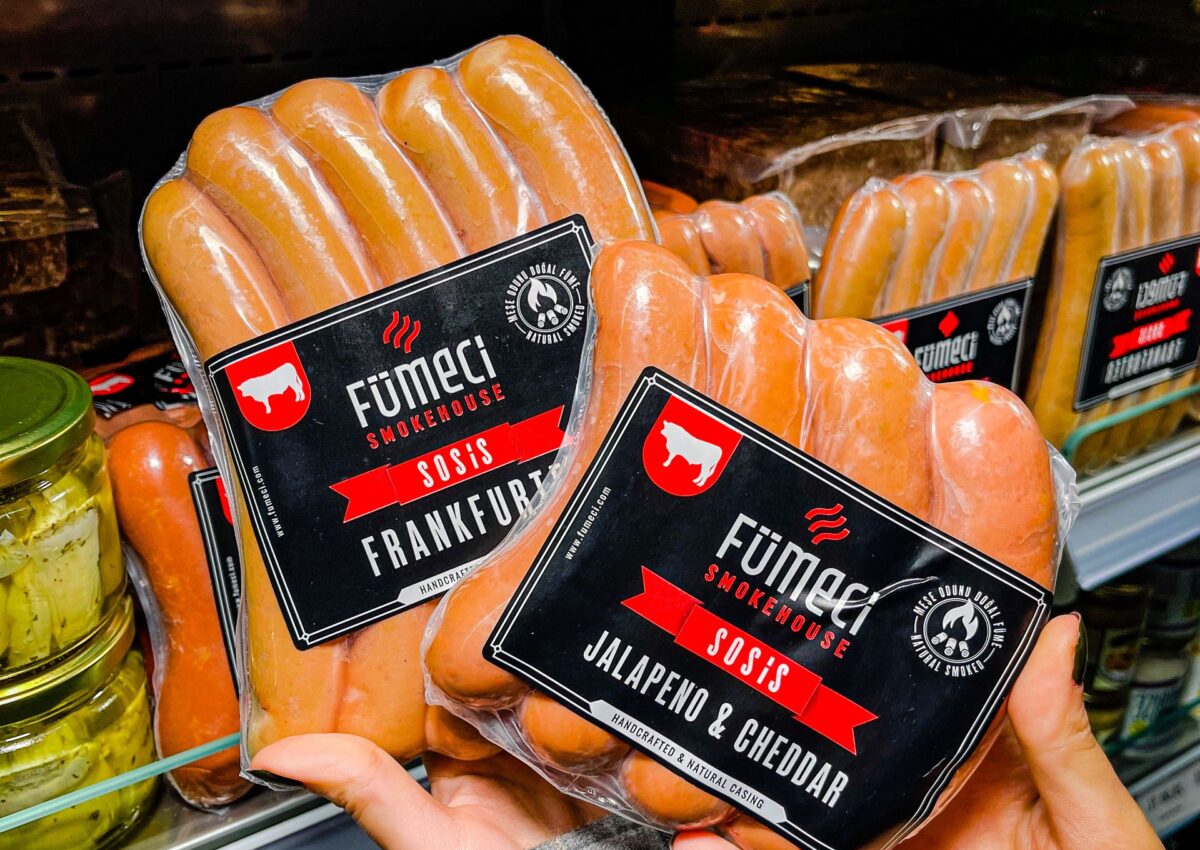
“Natural” may be one of the most familiar words on food packaging, but its regulatory treatment is more complicated than many shoppers might expect. The FDA says it has not established a formal definition of“natural” through rulemaking.
However, it does maintain a longstanding policy. That policy generally considers whether artificial substances, including added colors, have been added to a food when they would not normally be expected there.
For meat and poultry, USDA’s Food Safety and Inspection Service uses its own criteria involving artificial ingredients and minimal processing. So “natural” is not meaningless, but the exact context matters. FDA and FSIS do not treat every product in the same way.
Related: 8 Grocery Store Tricks Nutritionists Use to Shop Smarter
Clean or Clean Label
“Clean” and “clean label” have become popular marketing language, but the federal framework reviewed does not establish a standardized FDA or USDA definition for the term. That does not mean companies can say anything they want.
Federal law generally prohibits false or misleading food labels. A company may also develop its own explanation of what “clean” means for its products, but that brand-specific interpretation should not be mistaken for a government standard.
For shoppers, that makes the ingredient list and the brand’s own explanation more useful than assuming “clean” has one universal regulatory meaning.
Homestyle
“Homestyle” can sound like a product was made in a home kitchen, but the word doesn’t automatically guarantee that.
FSIS lists “Home style” among factual statements that may qualify for generic label approval. Those factual statements still need support in company labeling records and must meet other applicable requirements.
Campbell’s, for example, uses “Homestyle” in the name of its Homestyle Tomato Basil Soup line. The word is better understood as style language rather than proof that a food was literally prepared inside someone’s home.
Handcrafted or Handmade
Words like “handcrafted” and “handmade” can suggest small-scale production or food prepared almost entirely by hand. However, the federal picture is more specific than that impression.
FSIS includes “handcrafted,” “handmade,” and similar phrases among factual statements used on labels. Such claims need supporting documentation, but the reviewed guidance does not provide one universal rule stating exactly how much of the production process must be performed by hand.
That means shoppers should not automatically interpret “handcrafted” as a promise that every stage of production was completed manually.
Made With Real Ingredients
Phrases such as “made with real fruit” are common because they sound clear and reassuring. FDA rules do recognize ingredient-presence claims. Federal regulations even use examples such as“made with real butter,”“made with whole fruit,” and “contains honey.”
But no single universal percentage automatically applies to every product using this kind of language. The specific ingredient, the full ingredient list, and any relevant product standard still matter. Welch’s, for example, uses the phrase “made with Real Fruit” in its fruit snack marketing.
The safest interpretation is that the wording is an ingredient claim, not a universal promise about how much of that ingredient every food must contain.
Farm Fresh
“Farm fresh” may sound like a guarantee that something was produced nearby or reached the shelf shortly after leaving a farm. Federal rules do not establish one universal farm-to-shelf time period for that phrase.
The word “fresh” can trigger FDA requirements when it is used to suggest that a food is unprocessed. In that context, federal rules address foods in a raw state that have not been frozen or subjected to certain processing or preservation methods, subject to listed exceptions.
The word “farm” may also face separate conditions in meat labeling. So “farm fresh” should not automatically be interpreted as proof of local sourcing or a specific number of days since production.
Pure
“Pure” sounds simple, but this is another term where the type of food matters. For meat labeling, federal rules restrict the use of words such as “pure,” “all,” and “100%” when they describe ingredient content. In that context, the product generally must be prepared solely from one ingredient.
But that meat-label rule should not be applied automatically to every product in a grocery store. Consider vanilla extract. “Pure Madagascar Vanilla Extract” includes the regulated food name “vanilla extract,” which has its own federal standard of identity.
That is a good example of why shoppers should look at the full product name rather than interpreting one adjective in isolation.
Country Style
“Country style” may bring to mind rural kitchens, traditional recipes, or old-fashioned preparation methods, but federal meat-labeling rules contain specific conditions for some uses of “country.”
The rules address when “country” wording can be paired with a “style” qualification and also include specific provisions involving products such as sausage and lard. Jimmy Dean, for example, markets Raw Country Style Pork Sausage Patties through Tyson’s foodservice operation.
The key point is that “country style” is not simply decorative wording in every context. For some meat products, federal rules directly address how the phrase can be used.
What Shoppers Should Remember
Food labels often look simpler than the rules behind them. An FDA policy may govern a phrase, USDA rules may address it, it may be treated as a factual claim requiring support, or it may be restricted to certain types of food.
That is why words such as “natural,” “pure,” or “farm fresh” are better read alongside the product name, ingredient statement, and any explanation the manufacturer provides.
Front-of-package wording can offer useful information, but understanding what it actually tells you often takes more than a glance.
Other posts You May Like