8 Foods Boomers Enjoy More Now Than They Did in Their 20s
Remember the foods you refused to touch when you were young? The Brussels sprouts you hid in your napkin, the black coffee that tasted like burnt water, the prunes that seemed meant only for grandparents. For many boomers, those same foods have quietly become favorites.
It’s not just that people grow up and learn to eat their vegetables. Our sense of taste really does change with age. Scientists say that the number of taste buds and the sensitivity of our sense of smell decline as we get older, which can make strong, bitter flavors feel milder. At the same time, decades of life experience and health concerns change what we crave.
There’s also a funny twist with at least one of these foods: it actually changed too. Here are eight foods that many boomers enjoy far more now than they did in their twenties, and the reasons behind the change.
1. Brussels Sprouts
Brussels sprouts were once the most hated vegetable on the dinner table. Many boomers remember their mothers boiling them until they were gray, mushy, and bitter, filling the house with a sulfur smell. Kids refused to eat them, and many adults weren’t fans either.
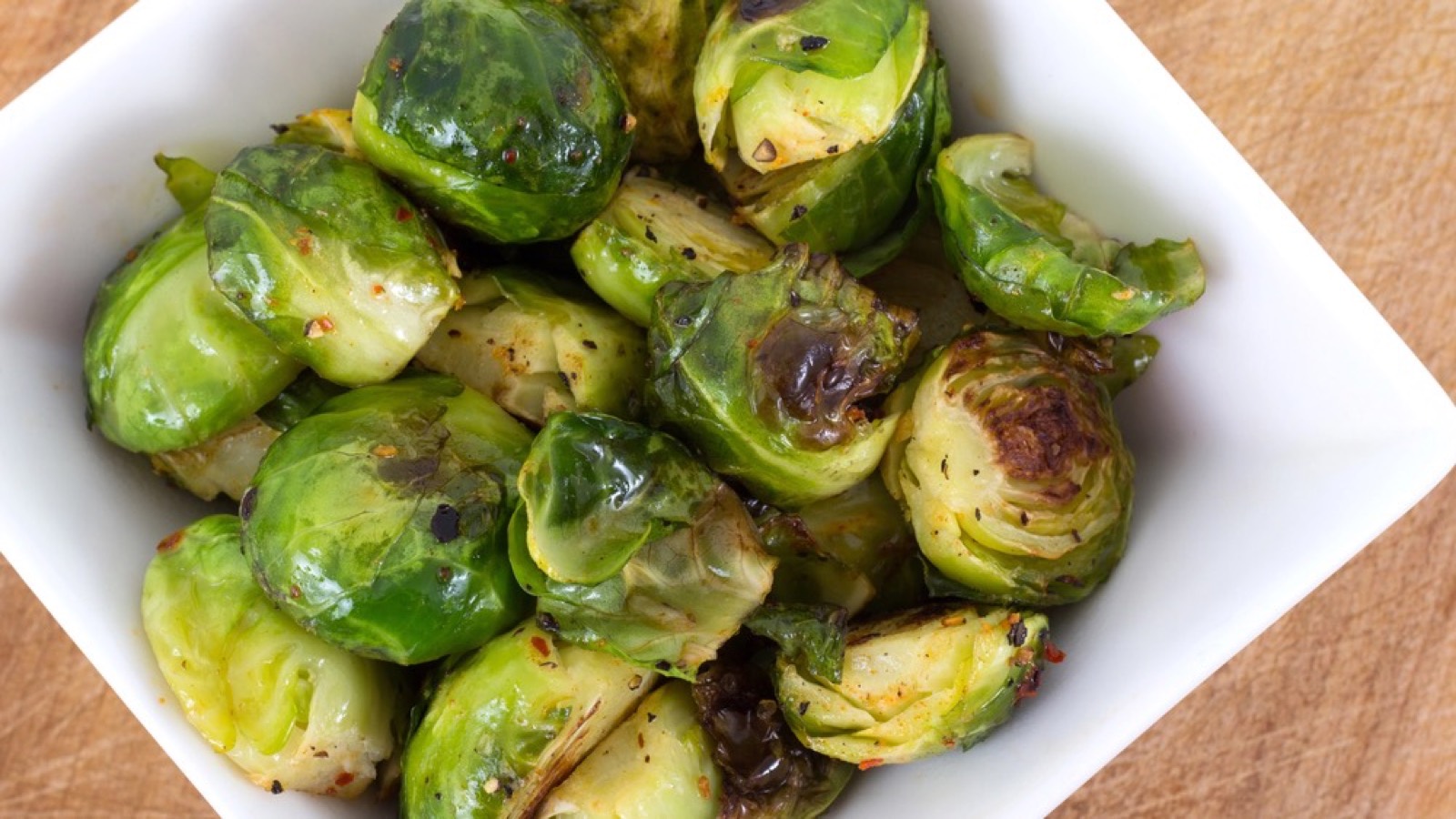
Today, Brussels sprouts are a restaurant favorite, roasted until crispy and tossed with bacon or balsamic glaze. Part of the reason is better cooking methods. But there’s another reason: in the 1990s, Dutch scientists identified the compounds that made Brussels sprouts bitter, and plant breeders crossed older varieties with milder ones. Today’s sprouts really are less bitter than the ones boomers grew up with.
2. Black Coffee
In their twenties, many boomers drank their coffee with plenty of cream and sugar, or skipped it altogether. Black coffee tasted harsh and bitter. But over the years, many people find that they enjoy it plain.
Part of this comes from habit. People who drink coffee every day get used to its bitterness. Some also cut back on sugar and cream for health reasons. And as taste sensitivity changes with age, black coffee may simply taste smoother than it once did. Many boomers now say a cup of black coffee is one of the small pleasures of their day.
3. Dark Chocolate
Many boomers grew up on milk chocolate bars, which were sweet, creamy, and mild. Dark chocolate seemed bitter and a little grown-up. But today, many people over 60 prefer dark chocolate, especially varieties with 70 percent cacao or more.
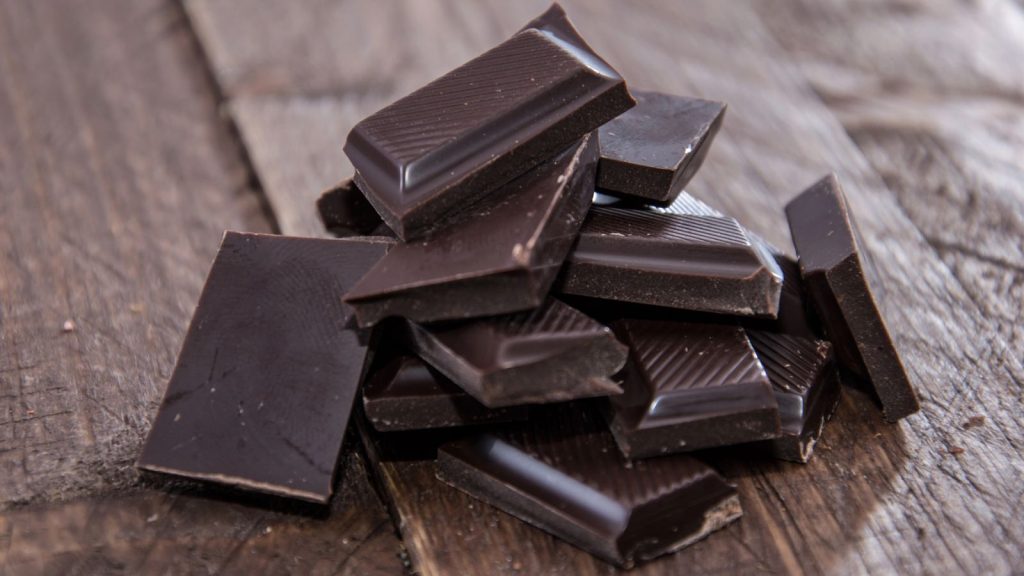
Dark chocolate has less sugar and a deeper, richer flavor. Research has also linked moderate amounts of dark chocolate to some heart-health benefits, which has made it popular with health-conscious eaters. A square of dark chocolate after dinner has become a nightly ritual for many boomers.
4. Oatmeal
For many boomers, oatmeal was the gloppy breakfast their mothers made on cold mornings, often without much flavor. Kids would rather have a bowl of sugary cereal. Oatmeal seemed boring and old-fashioned.
Now, many people over 60 eat oatmeal regularly and enjoy it. It’s filling, warm, and easy to customize with fruit, nuts, and cinnamon. Oats also contain a type of fiber called beta-glucan, which has been shown to help lower cholesterol. Many boomers eat oatmeal on their doctor’s advice and end up loving it.
5. Prunes
Prunes have long had a reputation as “old people food,” and many boomers laughed at their grandparents for eating them. They were wrinkly, sticky, and associated with digestion problems. Few young people would choose them as a snack.
Today, many boomers have come around to prunes. They’re naturally sweet, full of fiber, and helpful for digestion. Some research also suggests they may support bone health in older adults. Prune makers even started calling them “dried plums” to improve their image. Many boomers now keep a bag in the pantry.
6. Sardines and Oily Fish
Sardines were once the lunch of choice for many boomers’ fathers and grandfathers, and kids usually ran from the smell. Salmon, mackerel, and other oily fish weren’t much more popular with young people.
Now, many boomers seek out oily fish because of their health benefits. Fish like sardines and salmon are rich in omega-3 fatty acids, which are linked to heart and brain health. Many people also find that they enjoy the rich flavor more as they get older. Sardines on toast have even become trendy in some restaurants.
7. Blue Cheese
Blue cheese has a strong smell and a sharp, tangy flavor that many young people find overwhelming. In their twenties, many boomers stuck to mild cheddar, Swiss, and American cheese. Blue cheese was something their parents ordered with steak.
Over the years, many people develop a taste for bolder cheeses. Blue cheese has become a favorite on salads, burgers, and cheese boards. Some boomers say they now appreciate strong flavors they once found unpleasant, maybe because their taste buds have mellowed.
8. Beets
Beets were another vegetable that many boomers avoided as kids. They came from a can, stained everything they touched, and had an earthy taste that many children disliked. Pickled beets were especially divisive.
Today, roasted beets are popular in restaurants and home kitchens. Roasting brings out their natural sweetness, and many people love them in salads with goat cheese and walnuts. Beets are also rich in nutrients, including folate and fiber. Many boomers who once hated them now enjoy them regularly.
Why Our Tastes Change With Age
Scientists say several things change our taste preferences as we get older. The number and sensitivity of taste buds decline, and our sense of smell, which plays a huge role in flavor, often weakens. The National Institute on Deafness and Other Communication Disorders notes that problems with taste and smell become more common with age.
That means bitter and strong flavors may feel milder, making foods like coffee, dark chocolate, and blue cheese more enjoyable. Life experience and health also play a role. Many people try new foods as adults and learn to like them, and some even enjoy bitter foods that once seemed unthinkable.
Learning to Love New Foods
The good news is that it’s never too late to learn to like new foods. Many people find that trying a food several times, cooked in different ways, helps them develop a taste for it. Roasting vegetables, adding herbs and spices, or pairing new foods with familiar ones can make a big difference.
For boomers, discovering new favorites can be one of the joys of getting older. It’s a little like the formerly ugly things that are now considered attractive.
Which food did you hate as a young person but love today, and what changed your mind? Many readers say Brussels sprouts went from their least favorite food to their favorite side dish.