8 Foods Every Boomer Kid Ate at a Friend’s House and Never Forgot
Almost every boomer remembers a friend whose house felt like a different world. Maybe their mom bought the sugary cereal yours wouldn’t allow, or they had a freezer full of TV dinners while you were stuck with meatloaf and green beans. Sleepovers and after-school visits were a chance to taste what other families ate, and for a lot of kids it was a revelation.
Those meals and snacks stuck with people for decades. Ask boomers today, and many can still describe the exact plate they were served at a best friend’s kitchen table in 1966. Some of those foods were brand-new convenience products, others were regional or family specialties, and a few were simply “forbidden” in their own homes. Here are eight foods boomer kids ate at a friend’s house and never forgot.
1. Sugary Cereal in Bright Boxes
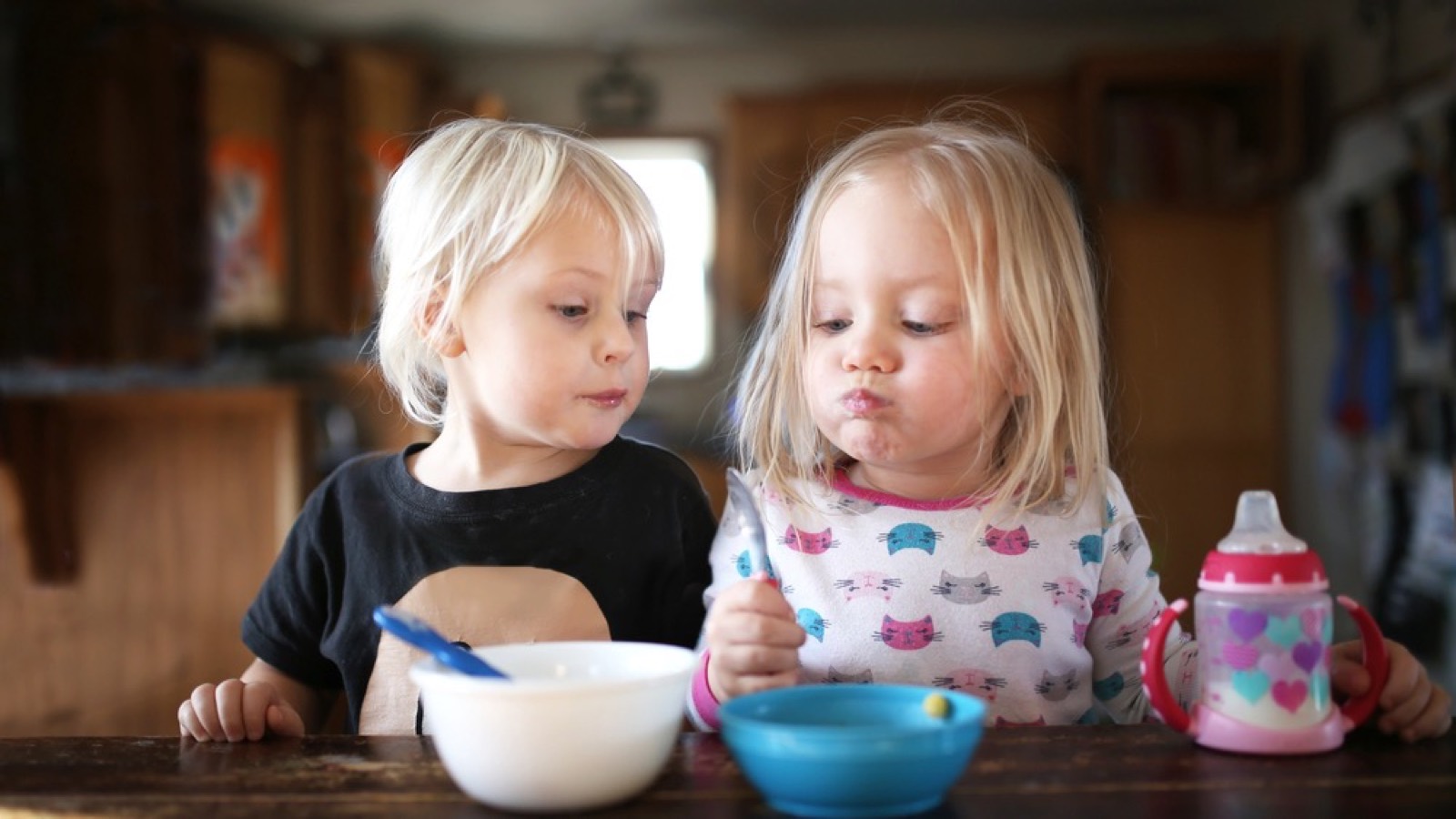
For many boomer kids, the first taste of a sugary cereal happened at a friend’s breakfast table. Brands like Cap’n Crunch, launched in 1963, and Lucky Charms, which arrived in 1964, were exactly what TV commercials promised: crunchy, sweet and colorful. Plenty of mothers refused to buy them and served plain cornflakes or oatmeal instead.
That’s what made a sleepover so exciting. Waking up at a friend’s house and seeing a box of marshmallow cereal on the counter felt like a small miracle. Many boomers admit they chose which friend to stay with based on what was in the pantry.
2. TV Dinners on Folding Trays
Swanson introduced its frozen TV dinner in 1953, and by the 1960s the aluminum trays were a regular sight in some homes. A friend whose parents worked late or went out on Saturday nights might have a freezer full of them: turkey with stuffing, fried chicken, or Salisbury steak, each with its own little compartment of peas and mashed potatoes.
For kids whose mothers cooked from scratch every night, eating a TV dinner on a folding tray in front of the television felt wildly modern. The frozen meal was a status symbol of sorts, a sign that a family was busy, up-to-date and maybe a little more relaxed about dinner rules.
3. Pop-Tarts Straight From the Toaster
Kellogg’s introduced Pop-Tarts in 1964, and they spread quickly. For kids whose breakfast at home was toast, eggs or a bowl of hot cereal, a frosted toaster pastry at a friend’s house was a thrill. Some kids didn’t even toast them and ate them straight from the foil packet.
Many boomers say a friend’s mom was the first person they ever saw use a toaster for something other than bread. That small moment stayed with them, and some still buy Pop-Tarts today partly out of nostalgia for those Saturday mornings.
4. Fluffernutter Sandwiches
In some parts of the country, especially New England, the fluffernutter was the sandwich everyone wanted. Peanut butter and Marshmallow Fluff on soft white bread was sticky, sweet and messy. The name “fluffernutter” was coined in an advertising campaign around 1960, and it caught on with kids immediately.
Plenty of boomers from other regions first tried one at a friend’s house, often with a cousin or classmate from the Northeast. It was the kind of sandwich some mothers considered pure dessert, which only made it more appealing to children.
5. SpaghettiOs and Canned Ravioli
SpaghettiOs arrived in 1965, marketed as a neater pasta for kids that could be eaten with a spoon. Chef Boyardee ravioli had been around even longer. At a friend’s house, a quick lunch might be a bowl of canned pasta heated on the stove, served with a glass of milk and a slice of buttered bread.
For kids raised on homemade soup and sandwiches, canned pasta was exotic and exciting. Many boomers still have a soft spot for it, even if they wouldn’t serve it to guests today. It’s one of those foods boomers loved that younger generations often tease them about.
6. Kool-Aid by the Pitcher
In many boomer homes, the drinks were milk, water and maybe a little juice. But at certain friends’ houses there was always a pitcher of Kool-Aid in the refrigerator, usually cherry, grape or tropical punch. It was poured into plastic cups and drunk by the gallon on summer afternoons.
Kool-Aid was cheap, and mothers could stretch a packet with plenty of sugar and water. For kids whose parents didn’t buy it, a friend’s house with a full pitcher felt like a summer camp that never ended. Some boomers still remember which neighbor made it extra sweet.
7. Hamburger Helper and Other Boxed Dinners
General Mills introduced Hamburger Helper in 1971, when the younger boomers were still kids and teenagers. It promised a full dinner from a box and a pound of ground beef, and plenty of busy families bought it right away. Other boxed dinners, like macaroni and cheese and skillet meals, were becoming common too.
A child whose mother made everything from scratch might have tasted their first boxed dinner at a friend’s house. To some kids, it tasted better than anything at home. To their mothers, it was a sign that the friend’s family took shortcuts, which they didn’t always approve of.
8. A Grandmother’s Specialty
Not every unforgettable meal was a new convenience food. Many boomers remember being served something special by a friend’s grandmother who lived with the family: homemade pierogi, tamales, collard greens, matzo ball soup, fried okra or a pan of fresh cinnamon rolls. For kids from different backgrounds, it was often their first taste of another family’s traditions.
These meals left some of the strongest memories of all. Boomers who grew up in mixed neighborhoods often say that a friend’s grandmother introduced them to foods they still love today. It was a reminder that every family’s kitchen had its own personality.
Why These Meals Stuck With Boomers
Part of what made these foods so memorable was the contrast. Many boomer mothers had firm rules about what came into the house, and those rules weren’t the same from one home to the next. A friend’s kitchen was a window into how other families lived, ate and treated their kids.
There was also the social side. Eating at a friend’s house meant sitting at someone else’s table, using different dishes and following different manners. Some boomers remember being nervous, others remember feeling spoiled. Either way, those meals became part of their childhood stories, the way many chores and habits did for kids of the 1960s and 1970s.
The Friend Whose House Had Everything
Most boomers can name the one friend whose house had all the best food. It might have been the family with a basement freezer, a stocked candy dish or a mother who didn’t mind kids eating snacks before dinner. That house became the neighborhood gathering spot, and everyone wanted to be invited.
Many of those friendships lasted for decades, and some boomers still tease their old friends about the snacks their parents kept in the cupboard. Ask around at any reunion, and someone will bring up the famous house with the endless supply of cookies or soda.
Do Today’s Kids Have the Same Experience?
In some ways, yes. Children still compare snacks and lunches, and a friend’s house can still feel like an adventure. But with so many foods available everywhere, and with parents more aware of allergies and diets, the contrast between households isn’t always as dramatic as it was in the 1960s.
For boomers, though, those meals at a friend’s table were a big deal. They were the first time many of them realized that not every family ate the same way, and that a box of sugary cereal on someone else’s counter could make an ordinary Saturday feel like a holiday.