Why Are Gas Prices Falling? Drivers Are Finally Seeing Relief at the Pump
American drivers are getting some welcome relief at the gas pump as gasoline prices continue to fall across the United States. After months of unusually expensive fuel, the national average has dropped below $4 per gallon, giving motorists a little breathing room as the holiday travel season approaches.
According to the American Automobile Association (AAA), the national average for regular gasoline was about $3.72 per gallon on November 19, 2026. That is a noticeable improvement from earlier in November, when prices were still above $4.
However, cheaper gasoline does not necessarily mean fuel has become inexpensive. Prices remain considerably higher than they were at the same time last year.
Several factors are contributing to the recent decline, including cheaper crude oil, reduced seasonal demand, increased fuel supplies, and the transition to winter gasoline blends. Here is what is happening and what it could mean for American households.
Lower Crude Oil Prices Are Helping Bring Down Gasoline Costs
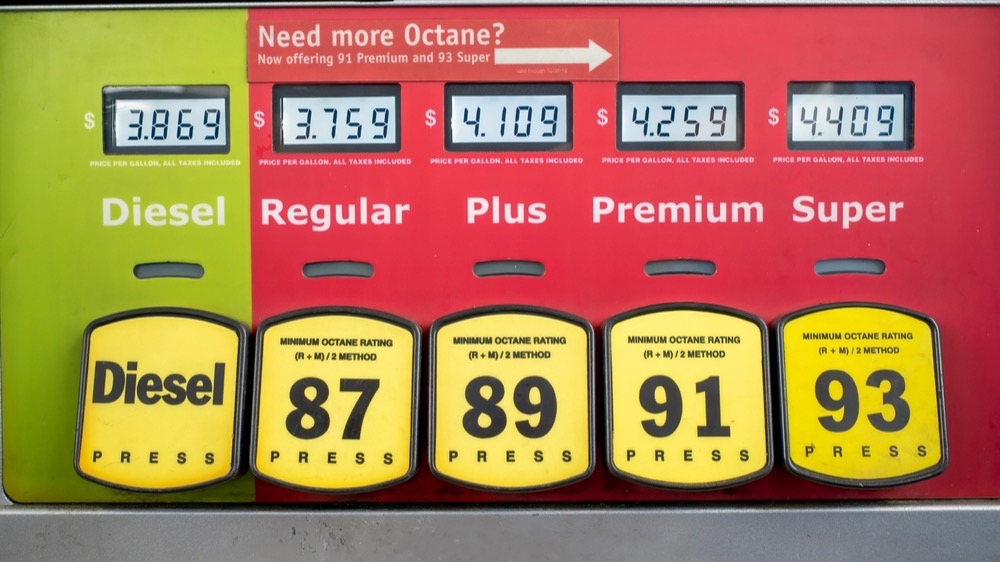
One of the biggest reasons gasoline prices are falling is the recent decline in crude oil prices.
Crude oil is the primary ingredient used to manufacture gasoline. When oil becomes more expensive, refineries generally face higher production costs, which can eventually translate into higher gas prices. When crude oil prices fall, the opposite can happen.
Recent developments in international oil markets have helped ease some of the pressure.
According to Reuters, on November 18, Brent crude settled at $91.95 per barrel, while West Texas Intermediate (WTI), the U.S. benchmark, fell to $83.26 per barrel. WTI reached its lowest level since August 26.
The decline came as traders considered growing concerns about global oil supplies and rising U.S. fuel inventories.
However, international tensions remain a potential source of uncertainty. Developments involving Iran and shipping through the Strait of Hormuz could still affect oil supplies and push prices higher.
For American motorists, the key point is that lower crude oil prices can eventually translate into cheaper gasoline, although changes at the pump don’t always happen immediately.
Americans Typically Drive Less During the Colder Months
Another major reason for falling gasoline prices is seasonal demand.
During summer, millions of Americans travel for vacations, road trips, family visits, and outdoor activities. This increases gasoline consumption and can put additional pressure on fuel supplies.
As autumn arrives and temperatures become colder, driving habits often change.
Families return to their regular routines, vacation travel slows, and fewer people take long recreational road trips. With less gasoline being purchased, retailers and suppliers may face less pressure to keep prices high.
The transition into winter is particularly important because gasoline demand generally decreases after the busy summer driving season.
AAA has identified seasonal demand as one reason behind the November price decline.
However, the holiday season can bring temporary increases in driving. Thanksgiving and Christmas travel may create additional demand in certain areas, although that does not necessarily mean national gasoline prices will rise.
Winter-Blended Gasoline Is Cheaper to Produce
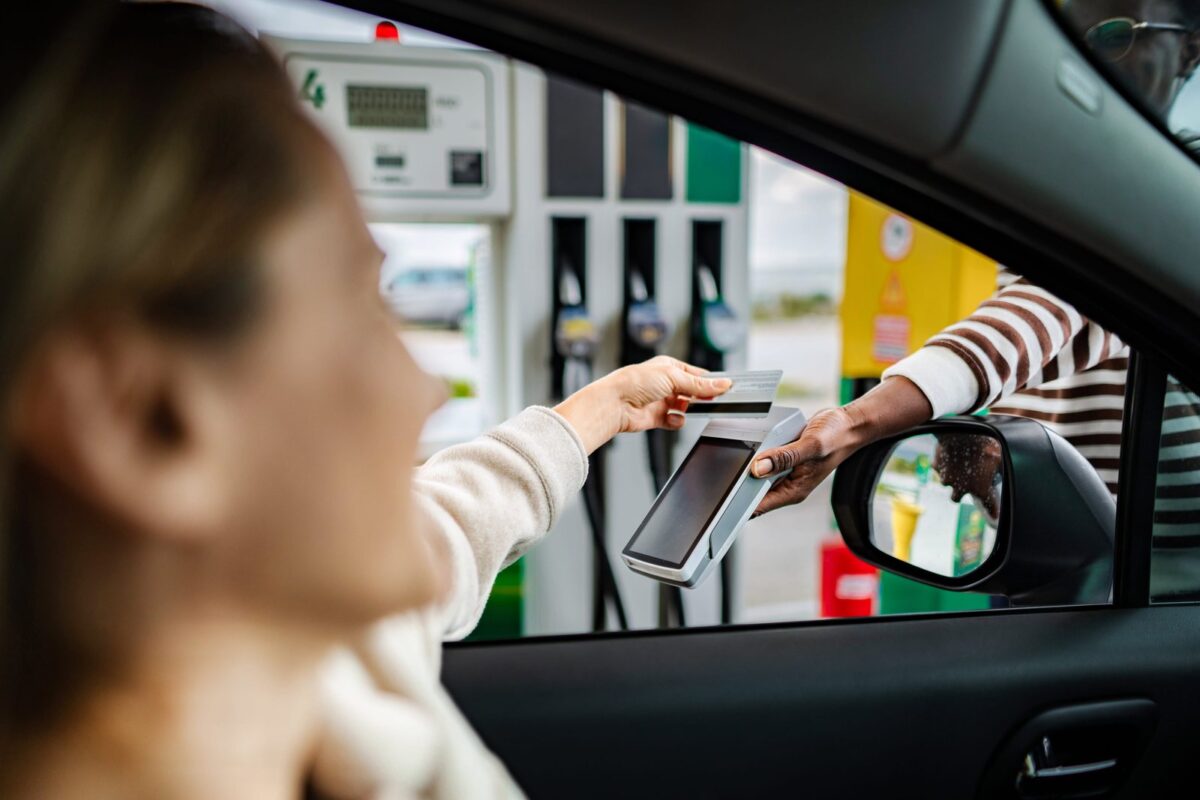
The type of gasoline sold in different seasons also affects pump prices.
Many drivers do not realize that gasoline formulations change throughout the year.
During warmer months, refineries produce summer-blend gasoline, which must meet stricter volatility requirements to help limit evaporative emissions in hot weather.
Winter-blend gasoline has different specifications and is generally cheaper to produce.
According to AAA’s November 12 fuel report, the transition to winter-blend gasoline is one factor contributing to lower prices.
The seasonal switch allows refineries to produce fuel using a less expensive formulation. Those savings can eventually work their way through the distribution system and reach consumers.
GasBuddy petroleum analyst Patrick De Haan also discussed the seasonal transition in a November 17 CBS Minnesota report.
This is one reason motorists often notice gasoline prices declining during autumn, even without a dramatic change in their local economy.
Refineries Are Recovering From Earlier Disruptions
Fuel production problems can make gasoline more expensive, particularly when they affect important refining regions.
Earlier in September and October, refinery problems reportedly contributed to unusually high prices in Minnesota and Wisconsin.
When refineries experience maintenance issues, unexpected breakdowns, or production interruptions, the amount of gasoline available to local markets can decrease.
That can create supply shortages and push wholesale prices higher.
However, according to GasBuddy analyst Patrick De Haan, the refinery issues affecting Minnesota and Wisconsin have cleared, allowing fuel supplies to recover.
This matters because regional gasoline markets are closely tied to refinery production and transportation networks.
The latest federal inventory figures also show higher gasoline supplies.
The U.S. Energy Information Administration (EIA) reported that gasoline inventories increased by approximately 5.2 million barrels during the week ending November 13, reaching 215.9 million barrels.
That increase suggests more gasoline was available in storage, helping ease some supply pressure.
Still, rising inventories do not automatically guarantee cheaper gasoline everywhere. Transportation costs, local demand, and regional refinery conditions continue to influence prices.
Improved Global Supply Expectations Are Easing Market Pressure
International oil supply is another important part of the story.
The United States is connected to a global energy market, meaning international conflicts, shipping disruptions, and production decisions can affect what Americans pay at local gas stations.
Earlier in 2026, the conflict involving Iran raised serious concerns about oil shipments through the Strait of Hormuz, a key route for international petroleum transportation.
Those concerns contributed to higher oil prices and increased uncertainty in energy markets.
More recently, calmer conditions have allowed additional oil tankers to move through the region, easing some supply concerns.
At the same time, rising fuel inventories have strengthened expectations that available supplies could improve.
Nevertheless, the situation remains unpredictable. Continued attacks on shipping routes or oil infrastructure could disrupt supplies again.
That means the recent decline should not be interpreted as a guarantee that gasoline will keep getting cheaper.
What Falling Gas Prices Mean for American Households
The biggest benefit of cheaper gasoline is the opportunity to save money on everyday transportation.
Consider a driver who fills a 12-gallon tank. If gasoline costs $3.50 per gallon, filling the tank costs $42. At $3 per gallon, the same fill-up costs $36.
That is a saving of $6 every time the driver visits the gas station.
For someone filling up once a week, the difference could reach $24 over four weeks.
Lower fuel costs can also benefit delivery drivers, commuters, small businesses, and families with multiple vehicles.
When businesses spend less on fuel, they may have more room in their operating budgets. However, cheaper gasoline does not automatically mean groceries, restaurant meals, and other household expenses will become cheaper. Those prices depend on several other costs.
Will Gas Prices Continue Falling?
Drivers may see additional relief, but prices are not guaranteed to keep declining at the same pace.
GasBuddy petroleum analyst Patrick De Haan told CBS Minnesota on November 17 that gasoline prices could fall another 15 to 30 cents over the following week if the downward trend continued.
He also suggested prices could stabilize within the next week or two.
The EIA’s November 10 Short-Term Energy Outlook provides a more cautious longer-term perspective. It forecasts an average U.S. retail gasoline price of $3.89 per gallon for 2026 and $3.73 for 2027.
The agency also warned that global petroleum markets could face continued supply constraints.
Several developments could reverse the recent decline. Renewed conflict involving Iran could disrupt international oil shipments. Attacks on oil infrastructure could reduce available supplies. Unexpected refinery breakdowns could create regional shortages, while higher crude oil prices could eventually increase wholesale gasoline costs.
For now, seasonal demand changes, improving gasoline inventories, and lower crude oil prices are providing some relief.
However, drivers should not assume every state will experience the same reductions.
California, Hawaii, and other higher-priced markets can remain considerably more expensive than states such as Texas, Oklahoma, and North Carolina because of differences in taxes, transportation expenses, fuel requirements, and local supply conditions.
The Bottom Line
Falling gasoline prices are welcome news for American drivers, especially after months of unusually expensive fuel.
The decline isn’t happening because of a single development. Cheaper crude oil, reduced autumn driving demand, less expensive winter gasoline blends, recovering refinery operations, and improving fuel inventories are all contributing to the changing market.
Still, there is a difference between falling prices and cheap gasoline. AAA’s November 19 figures show motorists are paying less than earlier in the month, but prices remain significantly higher than a year ago.
For households watching their budgets, even a small reduction at the pump can make a difference. The bigger question now is whether improving supplies and seasonal conditions will keep prices moving downward through the holiday season.