8 Foods From 1960s Picnics That Have Vanished From Today’s Coolers
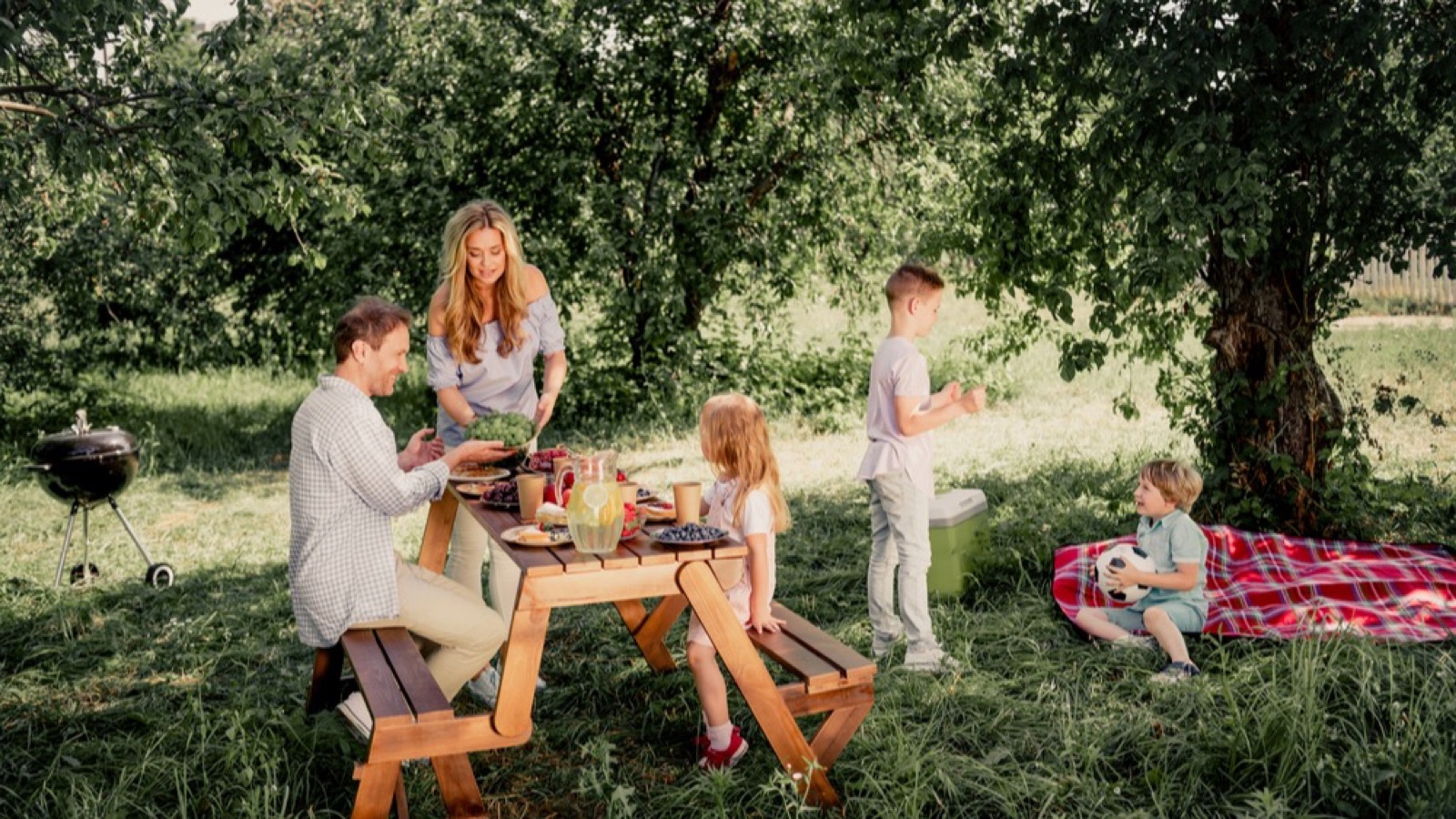
A 1960s family picnic was a production. Mom packed a metal cooler and a wicker basket, Dad loaded the station wagon, and the kids piled into the back seat for a trip to the lake, the state park or a relative’s farm. When everyone finally spread out the checkered blanket, the food that came out looked very different from what most families pack today.
Picnic menus now often lean on store-bought wraps, bags of chips, sparkling water and pre-cut fruit cups. Back then, nearly everything was homemade or came from a can in the pantry, and some of it would puzzle younger generations. Here are eight foods that were once picnic staples and have all but vanished from today’s coolers.
1. Molded Jell-O Salad
No respectable 1960s picnic was complete without a Jell-O salad. Mothers set fruit, shredded carrots, cottage cheese or even vegetables inside colorful gelatin molds, then unmolded them onto a platter. Getting it to the picnic without melting was its own challenge.
Families tucked the mold into the cooler right next to the ice, hoping it would hold its shape until lunch. Sometimes it slumped into a wobbly puddle, and sometimes it arrived perfectly intact. Today, you rarely see a gelatin mold at a picnic, but plenty of people over 60 remember them fondly.
2. Ham Salad Sandwiches
Ham salad was a thrifty way to use up leftover ham from Sunday dinner. Mothers ground the ham with pickle relish and mayonnaise, sometimes adding hard-boiled eggs or onion. The spread went between slices of white bread, and the sandwiches were wrapped in wax paper.
Ham salad is still sold in some delis and grocery stores, especially in the Midwest and South. But it’s far less common at picnics than it once was. Younger picnickers are more likely to pack turkey wraps or store-bought sandwiches.
3. Olive Loaf Sandwiches
Olive loaf is a lunch meat studded with green olives and bits of pimento. In the 1960s, a stack of olive loaf sandwiches with a slice of cheese and a smear of mustard was a common sight on picnic blankets. Kids either loved it or picked out every olive.
Like other old-fashioned cold cuts, such as pickle-and-pimento loaf, it has faded from many family refrigerators. It’s still made and sold, but you’ll usually have to look for it. For those who grew up with it, the taste brings back summer days by the lake.
4. Three-Bean Salad
Three-bean salad was a picnic favorite because it traveled well in the cooler and tasted even better after sitting overnight. It usually combined green beans, wax beans and kidney beans in a sweet and tangy vinegar dressing with sliced onions. Many cooks made it the night before to let the flavors blend.
It was an easy, inexpensive side dish made almost entirely from canned goods in the pantry. Today, many picnickers bring pasta salads, coleslaw or grain salads instead. Three-bean salad hasn’t disappeared entirely, but it’s no longer the given it once was.
5. Deviled Ham Spread
A small can of deviled ham was a pantry staple for picnics and quick lunches. The Underwood brand, with its red devil logo, has been around since the 1800s and is considered one of the oldest food trademarks in the country. Mothers mixed the spread with a little mayonnaise or pickle relish and spread it on crackers or bread.
Deviled ham was handy because the cans needed no refrigeration until opened. It was cheap, filling and easy to carry. Today, many younger people have never tasted it, though you can still find it on grocery store shelves near the canned meats.
6. Pickled Eggs
Pickled eggs were a popular snack at picnics, especially in parts of the Midwest and Pennsylvania. Hard-boiled eggs soaked in vinegar brine, sometimes with beet juice that turned them a bright pink color. They were packed in jars and brought out with the sandwiches.
Some families made big batches and kept them in the refrigerator all summer. Today, deviled eggs are still a picnic favorite, but pickled eggs have become much less common. You’re more likely to find them in a jar on a bar counter or at a country store than in a modern picnic basket.
7. Kool-Aid in a Big Thermos Jug
Before bottled water and individual juice boxes, families filled a big thermos jug with homemade Kool-Aid. The drink mix was invented by Edwin Perkins in Hastings, Nebraska, in 1927, and by the 1960s it was a summertime staple. Mothers stirred in a cup of sugar and plenty of ice, then poured it into paper cups for the kids.
Cherry, grape and orange were popular flavors, and kids often ended the day with stained lips. Today, most families pack individual bottles and cans that are easier to carry and toss. The big plaid thermos jug has mostly become a nostalgic collectible.
8. Soda in Glass Bottles
At a 1960s picnic, soda usually came in glass bottles packed in ice inside a metal cooler. Kids dug through the melting ice to find their favorite flavor, then used a bottle opener tied to the cooler handle. Many families saved the empty bottles to return for the deposit.
Aluminum cans and plastic bottles eventually took over, and glass soda bottles became less common in stores. Some people still go out of their way to buy soda in glass, saying it tastes better cold. For many boomers, the sound of a bottle cap popping off is a classic picnic memory.
Bringing Back the Old-Fashioned Picnic
Some families are rediscovering the joy of an old-fashioned picnic with homemade food and a real blanket. Packing a basket with a few retro favorites can make an ordinary outing feel special.
Why Picnic Food Changed
Picnic food changed for many of the same reasons the rest of American eating did. Convenience foods, better coolers and busy schedules made it easier to grab ready-made items rather than spending hours cooking. Food safety concerns also made some people wary of mayonnaise-heavy dishes sitting out in the sun.
Many of these old picnic foods came from a time when families relied on pantry staples and homemade dishes to stretch the budget, much like the convenience foods that filled mid-century kitchens. Bringing one of them to your next gathering could spark plenty of memories. You might be surprised how many people ask for the recipe.