8 Foods That May Contain Microplastics Without You Even Realizing It
That spoonful of honey, sprinkle of salt, or serving of shrimp could contain something you never expected: tiny plastic particles.
Microplastics have been detected in foods that Americans buy, cook, and eat every day. A 2024 study published in Environmental Pollution found them in 88% of 111 protein-food samples tested, including seafood, chicken, beef, and plant-based alternatives.
These particles, generally smaller than five millimeters, can enter food through environmental contamination and potentially during processing. The FDA acknowledges their presence in the food supply but emphasizes that scientists are still developing reliable, consistent methods to measure them.
Researchers have detected microplastics in eight familiar foods, sometimes in surprisingly ordinary places.
Shrimp and Other Seafood
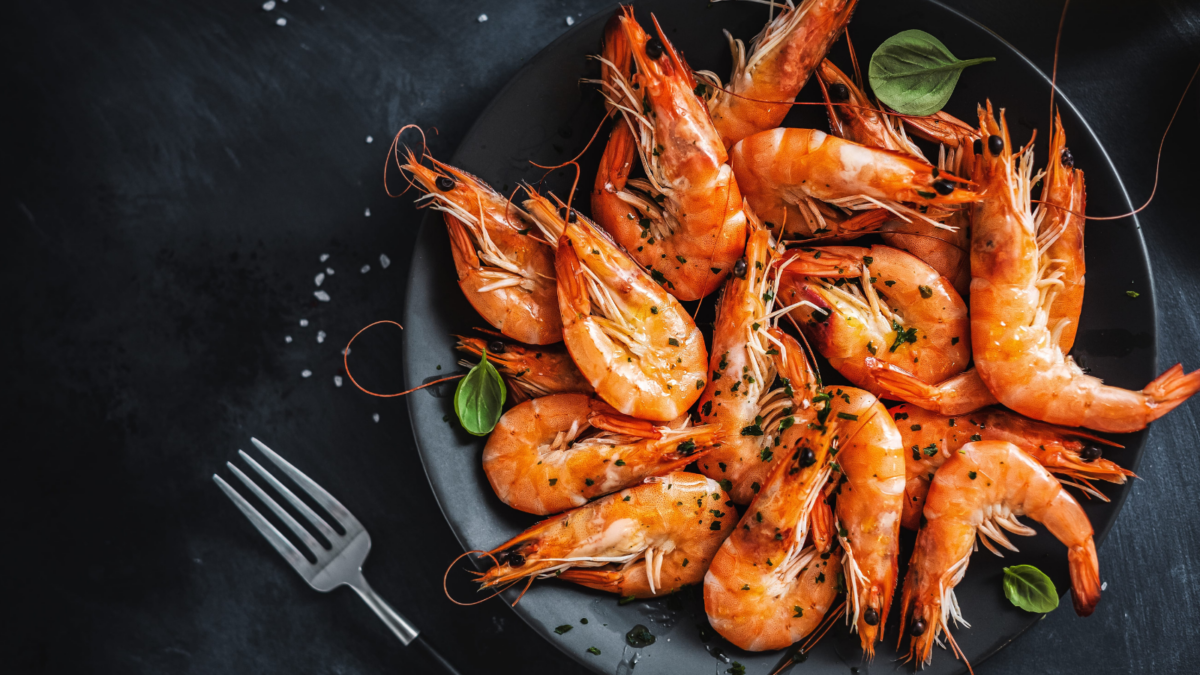
Seafood is one of the most extensively studied sources of microplastics. Fish and shellfish encounter plastic particles in aquatic environments, where discarded plastic gradually breaks into smaller fragments.
In a 2024 American study, researchers from Ocean Conservancy and the University of Toronto detected microplastics in shrimp and pollock products, including breaded shrimp and fish sticks. Breaded shrimp had the highest average particle count per serving among the products examined.
That doesn’t mean every seafood dinner contains the same amount. Species, processing methods, and individual samples can produce different results.
Table Salt
Salt seems like one of the simplest ingredients in your pantry. Yet researchers have detected microplastics in both sea salt and other commercially available varieties.
A 2026 study published in Environmental Research examined foods purchased in Birmingham, England, and found an average of 173 microplastic particles per kilogram of table salt, with considerable variation between samples. Plastic pollution in the environment, along with processing and packaging practices, may contribute to contamination.
However, the findings do not establish that one particular American salt brand is more contaminated than another. Shoppers should avoid assuming that expensive, specialty, or unrefined salt is automatically free of microplastics.
Rice
Rice is another everyday staple that has attracted researchers’ attention. A 2024 study published in the Journal of Food Science and Technology examined selected staple foods in the Philippines. Researchers found microplastics in cooked rice, averaging five particles per kilogram.
The researchers suggested that plastic packaging could be a possible source of contamination, although the findings did not establish exactly where the particles entered the product.
For home cooks, the practical takeaway is to pay attention to how rice is handled and stored without assuming that every bag is contaminated.
Sugar
Sugar may look perfectly clean when you pour it into your morning coffee or mix it into cookie dough, but its appearance cannot reveal microscopic particles. In the 2024 Philippine study, researchers detected an average of 20 microplastic particles per kilogram in white sugar and 67 particles per kilogram in brown sugar.
These findings came from specific products, not universal measurements for all sugar sold in grocery stores. Because sugar undergoes harvesting, refining, transportation, and packaging, researchers are examining several possible points of contamination.
For consumers, the key distinction is that detecting particles in tested samples does not automatically mean the same levels are present in every brand or package.
Honey
Honey is often associated with flowers, beehives, and natural ingredients. That image makes microplastic contamination particularly unexpected. Researchers examining commercial honey have identified plastic particles and fibers in some samples.
A 2026 British study found an average of about 101 microplastic particles per kilogram of honey, though measurements varied considerably.
Possible contamination sources include the surrounding environment and materials encountered during collection, processing, and packaging. Importantly, these findings do not show that honey from a particular producer or packaging type contains more particles.
A glass jar may change how honey is packaged, but it cannot guarantee that the contents have never encountered environmental microplastics.
Milk
Milk might not immediately come to mind when discussing plastic pollution, especially when you pour it from a carton into a glass. Nevertheless, researchers have detected microplastics in commercially available milk.
The same 2026 British study reported an average concentration of 19 particles per liter in the milk samples analyzed. Milk passes through collection, transportation, processing, and packaging before reaching grocery shelves. Researchers are investigating how contamination may occur along these supply chains.
The study’s measurements shouldn’t be treated as typical for American milk. For shoppers, packaging alone isn’t a reliable way to determine microplastic content, especially without standardized test results.
Apples, Carrots, and Other Fresh Produce
Microplastics aren’t limited to ocean or factory-produced foods. Researchers have investigated plastic particles in fruits and vegetables, including apples, carrots, and leafy greens. A 2024 review published in Heliyon examined evidence that small plastic particles can occur on plant surfaces and enter plants under certain experimental conditions.
However, testing methods differ, and laboratory findings do not necessarily reflect what consumers encounter in every grocery store.
Washing produce remains a sensible everyday habit, although it has not been shown to eliminate microplastics from plant tissues.
Chicken Nuggets
Chicken nuggets are convenient, familiar, and easy to prepare. They also appeared in a notable American study of microplastics in protein foods. Researchers testing products purchased in the United States found an average of 62 microplastic particles per serving in chicken nuggets, compared with two per serving in chicken breast samples.
Overall, highly processed protein products generally contained more particles per gram than minimally processed versions. The researchers suggested that additional processing steps could contribute to contamination, although they could not identify every source. That doesn’t mean every frozen nugget brand has the same results.
Related: 8 Kitchen Items to Declutter Today Before They Take Over Your Home
Microplastics are becoming easier to detect across everyday foods, but understanding their presence requires careful research, not panic or sweeping assumptions about what’s on your plate.
Other Posts You May Like
– 4 Common Kitchenware Items You Should Never Clean in the Dishwasher
– 10 Things Older Generations Never Wasted Money On in the Kitchen